




|
|
|
















Load Newer Podcasts












04 April 2014
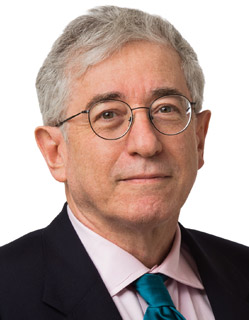
Rupert Darwall, finance and public policy expert, discusses the politics of climate change, how green politics made Europe vulnerable to Putin, and his book, Global Warming: A Short History.
28 March 2014
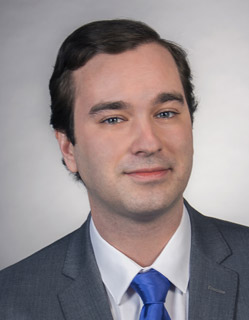
David Williams, President of the Taxpayers Protection Alliance, discusses the Federal Communications Commission's (FCC) attempt to require groups that comment on FCC issues to disclose their donors and why the proposed rules raise significant First Amendment and privacy concerns.
28 March 2014
Leon Aron, Resident Scholar and Director of Russian Studies at the American Enterprise Institute, discusses how far Russian President Putin will go in Crimea and other parts of the Ukraine, what will stop him, and the impact, if any, of sanctions imposed by the United States.
21 March 2014
Troy Senik, CFIF Senior Fellow, former speechwriter for George W. Bush and senior editor of Ricochet, discusses First Lady Michelle Obama's push for new FDA nutritional labeling guidelines and the lessons learned from California's regime of high taxes, oppressive regulation and rampant litigation.
21 March 2014
Cameron Seward, Program Manager for Impact Teams and Policy Services at The Heritage Foundation, discusses how President Obama's $3.9 trillion blueprint for the fiscal year looks more like an election-year campaign pitch than an actual budget, and how the President is using the document in an attempt to shift his legacy's focus from ObamaCare to fighting poverty.
15 March 2014
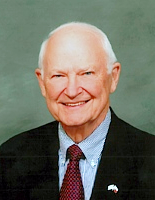
Bruce Herschensohn, Foreign Policy Expert, Professor at Pepperdine University School of Public Policy and CFIF Board Member, discusses the crisis in Ukraine, the effectiveness (or ineffectiveness) of proposed sanctions and the need for increased focus on foreign policy.
14 March 2014
Shona Holmes, a leading patients' rights advocate who fled Canada to seek life-saving medical treatment in the United States, discusses how universal health care does not end suffering, it just redistributes it, and how access to health insurance does not equal access to healthcare.
07 March 2014
Cameron Seward, Program Manager of Impact Teams and Policy Services for The Heritage Foundation, discusses Congress' suspension of the federal debt ceiling, what it means in the months and year ahead, and what policymakers should do to resolve the continuing crisis.
07 March 2014
Robert Knight, Senior Fellow at the American Civil Rights Union, discusses the growing list of issues and failures liberals are trying to spin for the Obama Administration, from ObamaCare to foreign policy, and why it's getting harder every day to be a liberal.
21 February 2014
Aloysius Hogan, Senior Fellow in Labor Policy for the Competitive Enterprise Institute, discusses how the United Auto Workers union's appeal with the National Labor Relations Board, asking for a re-vote at the Chattanooga, Tennessee, Volkswagen plant where employees recently voted not to join a union, amounts to an example of the pot calling the kettle black.
21 February 2014
Abigail MacIver, Florida Director of Policy and External Affairs at Americans for Prosperity, discusses how Americans are losing access to trusted doctors and facing higher premiums and deductibles and why state lawmakers should be held accountable for ObamaCare.
21 February 2014
Leighton Steward, a leading scientist and Chairman of Plants Need CO2, discusses the U.S. Supreme Court's decision to review the EPA's legal authority to regulate greenhouse gases and how government attempts to reduce greenhouse gas emissions will not only fail to lower temperatures, but unintentionally cause long-term harm to plant and animal life.
14 February 2014
Peter Roff, contributing editor at U.S. News & World Report, discusses the Obama Administration's use of the IRS to silence its critics by limiting the First Amendment rights of tax exempt groups.
13 February 2014
Marc Scribner, Research Fellow at the Competitive Enterprise Institute, discusses "talking cars" and the significant challenges that remain to insure that security and privacy issues related to the technology have been addressed.
06 February 2014
George C. Landrith, President and CEO of Frontiers of Freedom, discusses how there is no benefit to red light cameras, the government's reluctance to allow the use of drones in commercial settings, and whether drones or other security measures will enhance safety at major events like the Sochi Olympics.
Scroll to load more
