



|
|
|


| Broken Political Promises Mean Tax Hikes |
 |
|
By Sam Batkins
Wednesday, July 08 2009 |
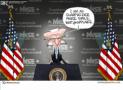
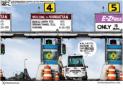
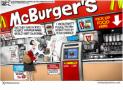
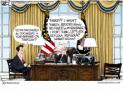
It is one of the most iconic broken promises in politics: “Read my lips, no new taxes.” After breaking that campaign promise, President George H.W. Bush effectively destroyed any political capital he had with conservatives and everyone else who was slapped with Bush’s higher tax rates. Yet despite that political lesson, little has changed as promise-breaking seems still to be the norm in Washington. On June 26, 2009, the House of Representatives narrowly passed (219-212) an energy bill. The bill, commonly referred to as the “Cap-and-Trade energy tax,” will regulate all carbon output in the United States and cost every American household an additional $800 to $3,000 more per year. The total haul from taxpayers over the next decade: about $1 trillion. Although President Barack Obama says he finds flaws in the bill (the corporate welfare provisions and the imposition of tariffs on countries that don’t follow with similar plans), he is expected to sign it if given the opportunity. This, despite President Obama’s own campaign promise: “I can make a firm pledge. Under my plan, no family making less than $250,000 a year will see any form of tax increase. Not your income tax, not your payroll tax, not your capital gains taxes, not any of your taxes.” Of course, under Obama’s so-called “pledge,” cigarette taxes have already been increased, and now taxpayers, rich and poor, could soon see their utility bills soar in the form of a de facto energy tax. As President Obama himself has admitted, “electricity rates would necessarily skyrocket." Unfortunately, the promise-breaking doesn’t end there. During the campaign, and repeatedly during his short White House tenure, President Obama promised a more open and transparent government. Specifically, he vowed that every bill would be posted online for at least 48 hours so the public, and members of Congress, could actually read each bill before voting. The energy bill that passed the House, however, was not posted for 48 hours and its total size actually grew during the course of the debate, to over 1,500 pages. In fact, not one member of Congress said he or she read the entire legislation before voting on it. For everyone keeping a running tally, prior to breaking his open government and tax promises, the President reneged on his pledge to join Senator John McCain in accepting public financing during the 2008 presidential campaign. Time will tell if the voting public is as harsh to Obama for his broken promises on taxes as they were toward the first President Bush. Fortunately however, the American people don’t have to wait until 2012 to express their discontent with the litany of broken promises and prevarications plaguing Washington. Taxpayers and voters have other options. On July 4th, thousands of taxpayers and free-market activists marched in cities across the United States to support limited government, increased transparency and lower taxes. And on September 12th, one of the largest taxpayer marches will take place in Washington, D.C. Taxpayers from around the country will be able to network and voice their opposition to an ever-expanding government and one broken promise after another. Washington politicians might continue to say one thing while doing another, but taxpayer activists must be there every step of the way to ensure that our leaders are held to account. One hundred thousand taxpayers standing on Congress’ front porch would certainly send a powerful message. |
Related Articles : |
