



|
|
|










05 June 2020
Bradley Smith, Founder and Chairman of the Institute for Free Speech and a former FEC Chairman, discusses the confirmation of a new FEC Commissioner and what it means for the Commission, why supporting the right to peaceful protest is important even during a pandemic, and the final donor privacy regulation recently released by the Treasury Department and Internal Revenue Service.
0:00
0:00
Related Podcasts
23 July 2021
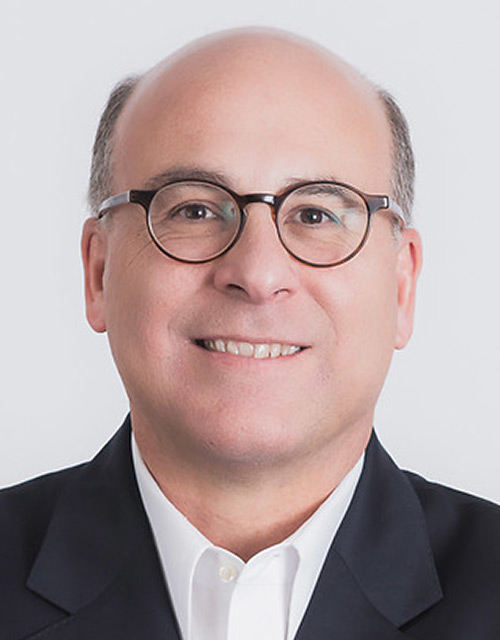
Lee Goodman, Partner in the Washington, D.C., law office of Wiley, discusses the U.S. Supreme Court's recent ruling regarding the facial challenge to California's compulsory disclosure requirement of the names and other personal information of donors to non-profit organizations, broad First Amendment protection applied in the case, and what the 6-3 decision may mean in other states with similar requirements.
29 January 2021
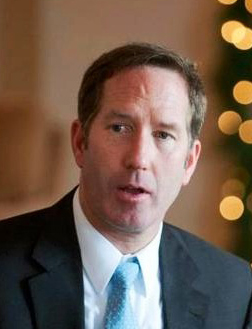
Timothy Lee, CFIF's Senior Vice President of Legal and Public Affairs, discusses legal precedent surrounding First Amendment protection for freedom of speech, association and petitioning the government, wrongful efforts in Congress to pursue anti-First Amendment legislation regarding mandatory "donor disclosure" laws, and the U.S. Supreme Court's grant of review in two First Amendment donor privacy cases out of California.
24 September 2018
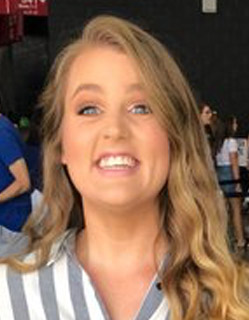
Leah Byers, Policy Analyst with the Civitas Institute, discusses a recent study titled, "State Charitable Solicitations Licensing Programs: A Threat to Donor Privacy, an Unnecessary Burden on Lawful Non-Profits, and an Ineffectual Deterrent to Fraud."

27 July 2018
Cleta Mitchell, Partner and Political Law Attorney at Foley & Lardner LLP, discusses the IRS and Treasury Department's decision to no longer require certain tax-exempt organizations to file personally identifiable information about their donors as part of their annual 990 return, and why Congress should act to make this decision permanent and repeal the statutory requirement for all non-profit organizations.
06 April 2018
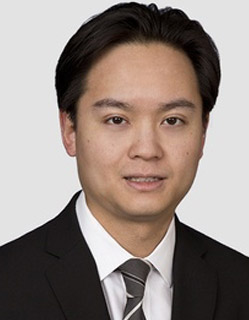
Eric Wang, Special Counsel at Wiley & Rein, discusses the U.S. Court of Appeals for the Second Circuit's recent ruling in Citizens United’s ongoing fight against the New York Attorney General's attempts to obtain their confidential donor lists and whether this sets the stage for a potential hearing by the U.S. Supreme Court.
15 December 2017
Cleta Mitchell, Partner and Political Law Attorney in the Washington, DC office of Foley & Lardner LLP, discusses efforts to protect donor privacy and First Amendment freedoms of speech and association from government abuse by eliminating the 990 Schedule B form requirement for 501(c) organizations.
