




|
|
|



17 July 2020
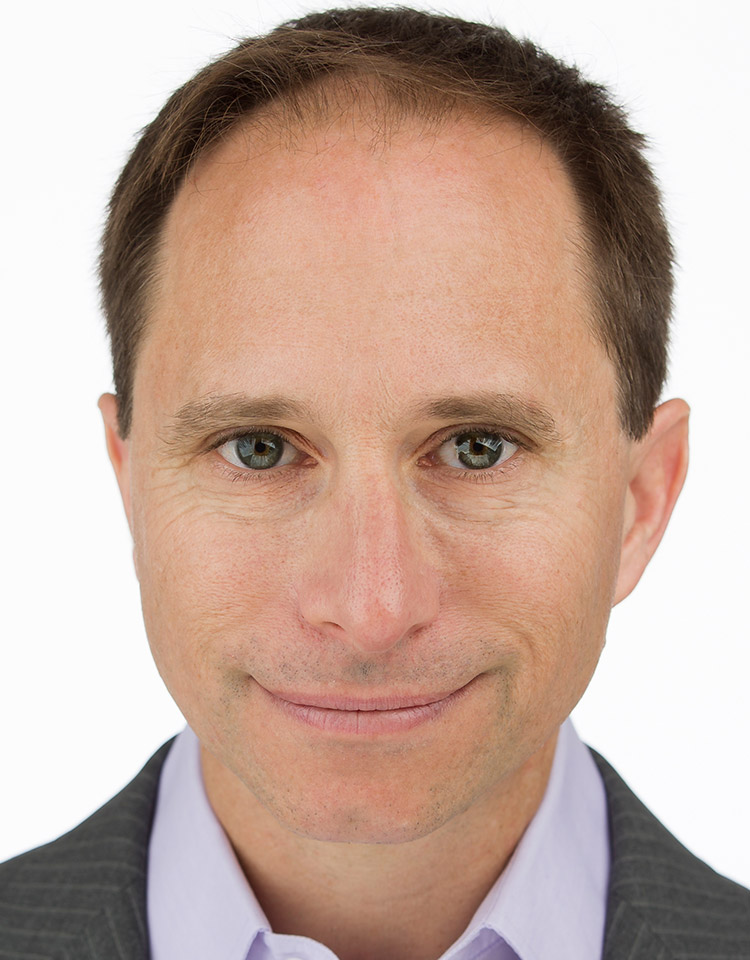
Michael Petrilli, President of the Thomas B. Fordham Institute, discusses how income often depends on "where you live" and not just educational attainment, and how schools are doing in the face of the COVID pandemic.
0:00
0:00
Related Podcasts
02 May 2025
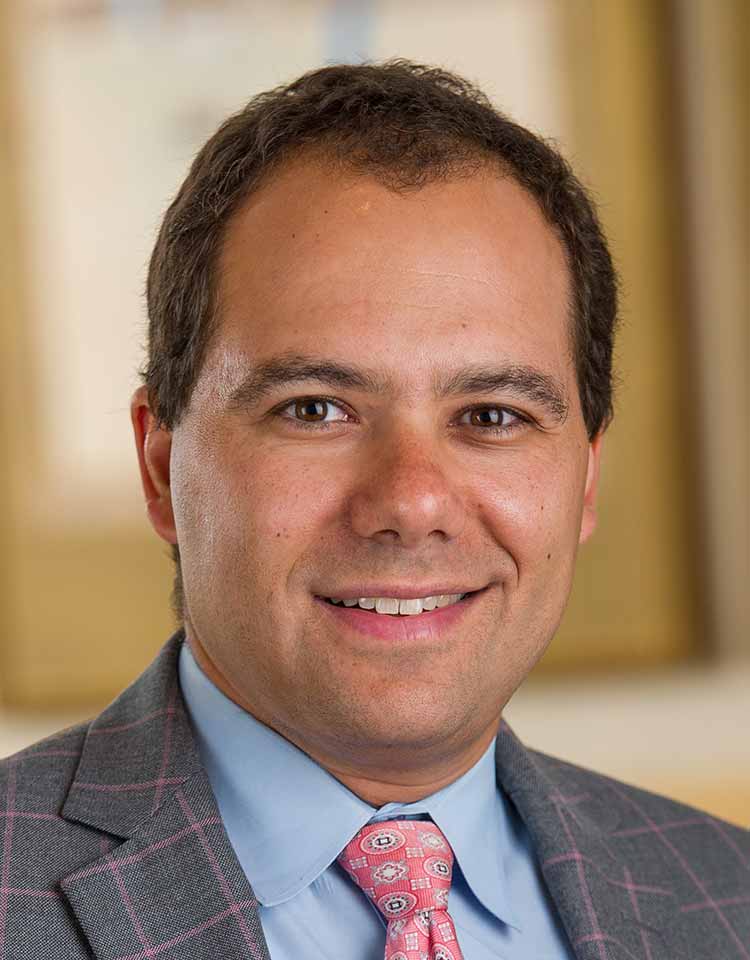
Ilya Shapiro, Senior Fellow and Director of Constitutional Studies at the Manhattan Institute, discusses his book, “Lawless: The Miseducation of America’s Elite,” Harvard University’s battle with the Trump administration, and some of the remaining cases before the U.S. Supreme Court.
08 June 2023
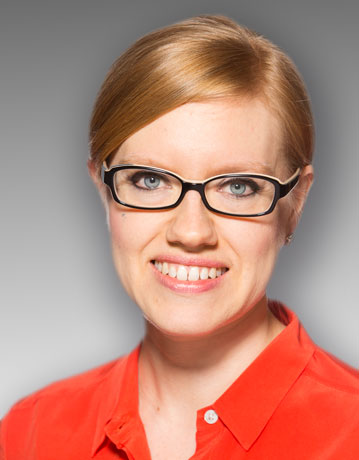
Lindsey Burke, Director at the Center for Education Policy at The Heritage Foundation, discusses why the U.S. government should remove barriers to innovation and flexibility and offer commonsense approaches to education reform, and work-family policies that will reverse America’s declining birth rate and help families to flourish.
09 December 2022
Lance Izumi, Senior Director of the Center for Education at the Pacific Research Institute, discusses why student test scores are plunging, how Congress can improve education, and the role teachers' unions and government regulations play in our schools and education systems.
06 August 2021
Amber Northern, Ph.D., Senior Vice President for Research at the Thomas B. Fordham Institute, discusses the quality of K-12 civics teachings, the policy fixes needed, and the recently released report, "The State of the State Standards for Civics and U.S. History in 2021."

28 May 2021
Phil Kerpen, President of American Commitment, discusses the role teachers unions played in dictating education policy in the wake of the COVID-19 pandemic, how they kept kids out of schools, and the lessons learned by parents regarding alternatives to government-run schools.
20 October 2017
Mary Clare Amselem, Policy Analyst at The Heritage Foundation, discusses the negative consequences of eliminating college tuition fees, what happened when England offered "free" college and how such a program hurts, not helps, the poorest students.
