




|
|
|
















30 April 2021
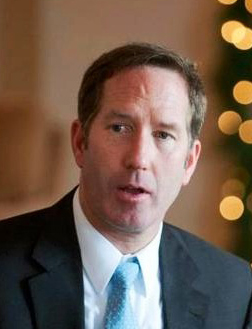
Timothy Lee, CFIF's Senior Vice President of Legal and Public Affairs, discusses President Biden’s $100 billion broadband spending proposal, why it would undermine private broadband investment, and how history teaches us that government-sponsored broadband doesn't work, costing American taxpayers.
0:00
0:00
Related Podcasts

13 August 2026
Evan Swarztrauber, Senior Fellow at the Digital Progress Institute and Host of "The Center Edge” podcast, discusses how disputes over utility pole attachments are burdening broadband deployment under the Broadband Equity, Access, and Deployment (BEAD) Program, why Congress and the FCC need to take a more active role on issues related to pole attachment cost-sharing and timelines, and what all of it means from a safety standpoint.

30 September 2025
Paolo Carozza, Professor of Law at the University of Notre Dame and Co-Chair of the Oversight Board, discusses the independent Oversight Board’s role in providing rulings and recommendations on Meta’s platform postings, who comprises the board, how determinations are made, and the importance of transparency and platform accountability in the online digital space as they relate to free speech.
14 June 2024
Timothy Lee, CFIF’s Senior Vice President of Legal and Public Affairs, discusses the current state of the U.S. economy and recent survey data on how Americans are doing financially under the Biden administration, and brings truth to some false statements being peddled by the media on issues related to the economy.
18 April 2024
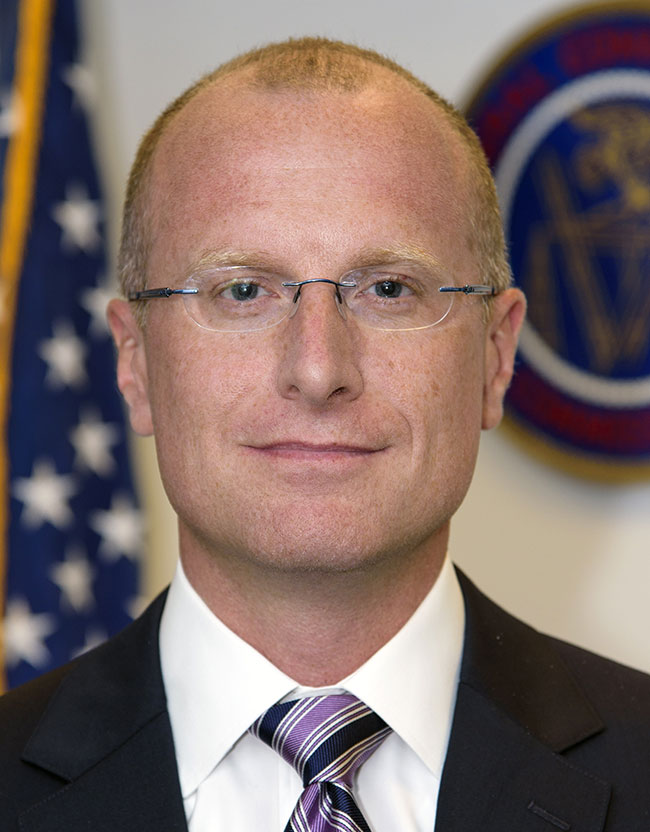
Federal Communications Commission (FCC) Commissioner Brendan Carr discusses the FCC's upcoming vote on a rule that will subject the internet to crippling, utility-style regulatory powers under Title II of the Communications Act of 1934, the myths and facts surrounding "net neutrality," and how this massive expansion of government power over the internet is unnecessary at a time when Americans are experiencing lower prices, faster speeds, increased competition, and accelerated infrastructure build-outs.

11 January 2024
Rachel Greszler, Senior Research Fellow in the Roe Institute at The Heritage Foundation, discusses how President Biden's proposed overtime regulations will result in job losses, lower benefits and less flexibility for employees, and how struggling Americans would bear the impact of a $17 federal minimum wage.

28 September 2022
Lindsey Burke, Director of the Center for Education Policy at The Heritage Foundation, discusses President Biden's plan to cancel student debt for some borrowers, the Congressional Budget Office's recent $400 plus billion cost estimate, and why the plan is on shaky legal grounds.
