




|
|
|














24 June 2022
Karen Kerrigan, President & CEO of the Small Business & Entrepreneurship Council, discusses the World Trade Organization’s recent announcement to waive patent protections for COVID vaccines (and the Biden Administration’s support of the effort), why it amounts to a giveaway of U.S. medical innovation, and how it will undermine U.S. jobs and create a disincentive for future innovation within the pharmaceutical industry and beyond.
0:00
0:00
Related Podcasts

04 December 2025
Phil Kerpen, President and Founder of American Commitment, discusses the recent drug-pricing deal negotiated by the Trump administration with the United Kingdom, the multiple benefits the agreement will have for Americans and drug innovation, why taxpayer subsidies to health insurers will not lower healthcare costs, and why price controls for credit card transactions are a bad idea.

04 April 2024
Doug Kelly, CEO of American Edge Project ("AEP"), discusses AEP's recently released study, "American Innovation Under Siege: Venture Capital Data Reveals Risks from Rising Global Regulatory Overreach," how heavy-handed regulations negatively impact innovation, jobs and U.S. military readiness, and what recommendations the study offers on how the U.S. can win the innovation race against China.

22 July 2022
Carrie Sheffield, Contributor to the Daily Signal, the Tony Blankley Fellow for Public Policy and American Exceptionalism at the Steamboat Institute and Senior Policy Analyst with the Independent Women's Forum, discusses the latest jobs report, the states that gained the most and lost the most, and how our nation is dealing with inflation and whether we can avoid a recession.

15 January 2021
Sean Higgins, Research Fellow at the Competitive Enterprise Institute, discusses how lockdowns and restrictions remain a big impediment for leisure and hospitality jobs, what to expect from Marty Walsh, President-elect Biden's choice for Secretary of Labor, and a recent ruling from the Department of Labor regarding contractor versus employee status.
28 September 2018
Phil Kerpen, President of American Commitment, discusses why the NAFTA negotiations should include a discussion of Canada's continued disregard for American intellectual property and why political hotbed issues should not be part of trade discussions meant to facilitate the free flow of goods and services across the border.
31 August 2018
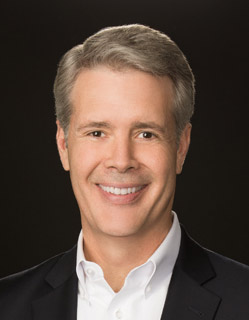
Robert F. McDowell, Partner with Cooley LLP and Former FCC Commissioner, discusses the global significance of the proposed T-Mobile-Sprint merger and the positive impact it could have for consumers, innovation and labor markets.
