




|
|
|
















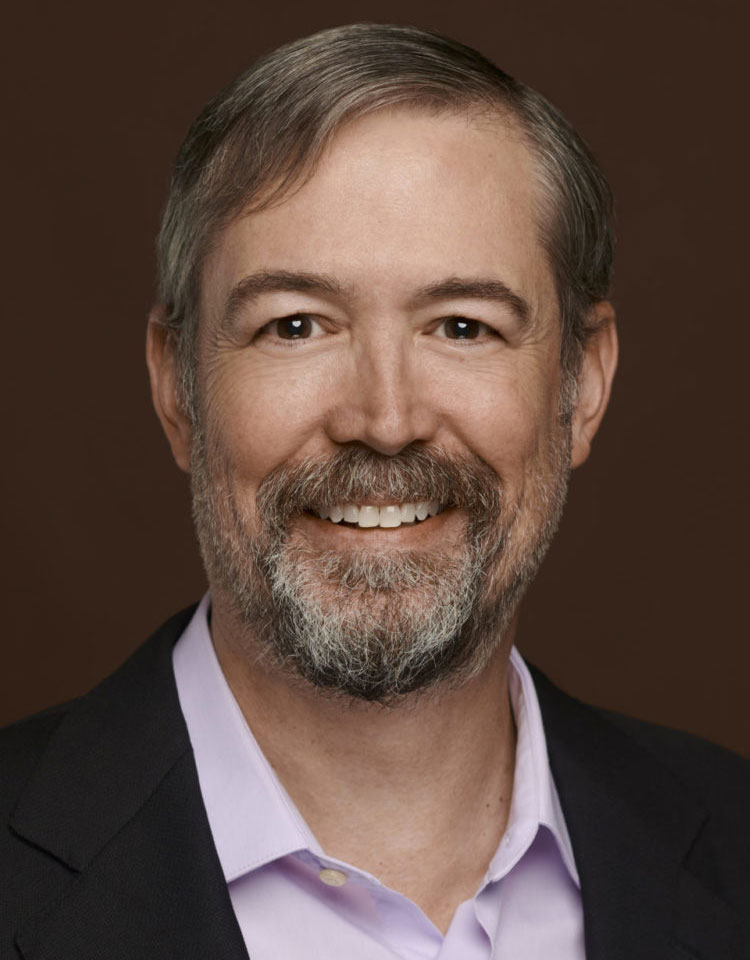
21 April 2023
Dean Clancy, Paragon Health Institute Public Advisor, discusses how Medicare’s trust fund is on a fast track to insolvency, why President Biden’s “Mediscare” message and solutions are disingenuous and flawed, how the personal option and flexible HSAs can modernize healthcare benefits, and more.
0:00
0:00
Related Podcasts

21 March 2025
Jaimie Cavanaugh, Legal Policy Counsel at the Pacific Legal Foundation, discusses what states can do to create more competition and drive down the rising cost of healthcare, how Certificate of Need (CON) laws impede access to care and block competition while limiting consumer choice and stifling innovation, and what state legislators can and should do to reform and repeal these antiquated laws.

09 November 2023
Dr. Keith Smith, Healthcare Expert and Cofounder and Managing Partner of the Surgery Center of Oklahoma, discusses how Medicare's dual payment scheme jeopardizes patient health, how site-neutral reimbursement provides transparency and allows the free market to step in, and other insights and lessons learned when bureaucratic bloat is taken out of the equation.

27 July 2023
Sally Pipes, President and CEO of the Pacific Research Institute, discusses failed government efforts to control healthcare spending through antiquated and anti-free market Certificate-of-Need (CON) laws, how abolishing state CON laws will increase access to care, particularly in rural communities, and how misguided regulations are contributing to the shortage of healthcare professionals.

14 April 2023
Bryan Bashur, Federal Affairs Manager of the Americans for Tax Reform, discusses the collapse of Silicon Valley Bank and Signature Bank, why lawmakers should reject any legislative or regulatory actions to increase or expand federal deposit insurance on a temporary or permanent basis, and why increasing or expanding deposit insurance would present a moral hazard, propagate a cycle of riskier behavior, and could force banks to be more reliant on the federal government.
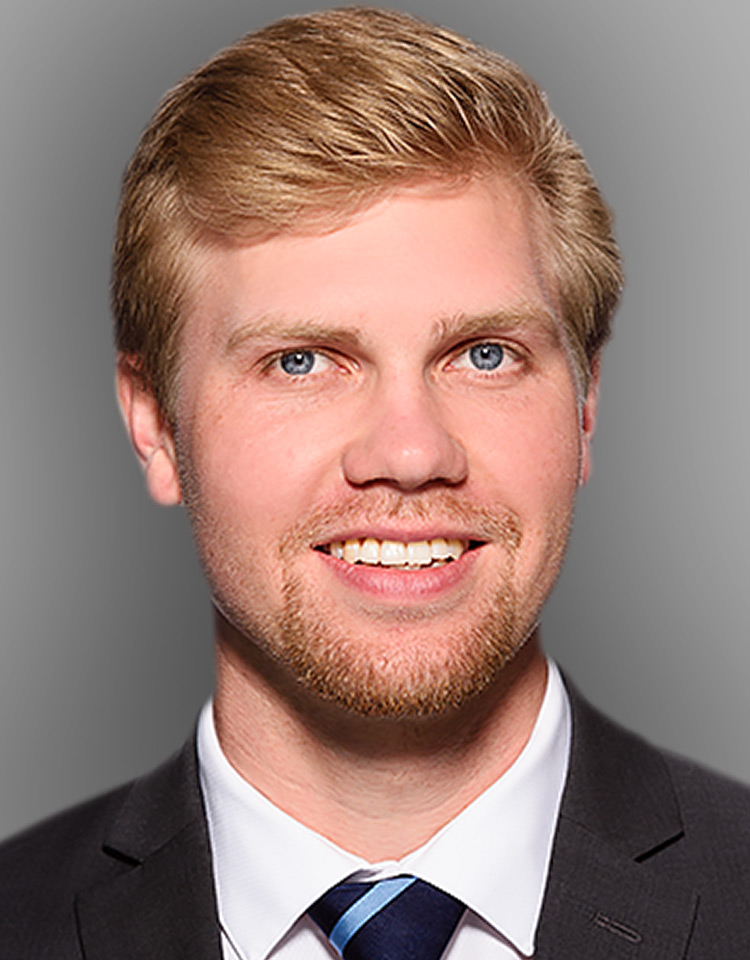
11 December 2020
Jude Schwalbach, Research Associate and Project Coordinator at the Center for Education Policy at The Heritage Foundation, discusses necessary steps that should be taken to restore educational autonomy to the states, school districts and parents, reforms that have come with COVID-19, and his recent Backgrounder Report, Six Ways Congress Can Improve Education Without More Bailouts.
07 November 2019
Sally Pipes, Pacific Research Institute's President, CEO and Thomas W. Smith Fellow in Health Care Policy, discusses presidential hopeful Elizabeth Warren's "Medicare for All" plan and the candidate's inability to adequately explain how she would pay for it.
