




|
|
|















09 January 2025
Ryan Young, Senior Economist and Trade Policy Expert at the Competitive Enterprise Institute, discusses last year’s regulatory highlights (and low points), the regulatory outlook for 2025, including the potential impact of DOGE on the volume of federal regulations, and President Biden’s baseless decision to block Nippon Steel’s purchase of U.S. Steel.
0:00
0:00
Related Podcasts

04 December 2025
Phil Kerpen, President and Founder of American Commitment, discusses the recent drug-pricing deal negotiated by the Trump administration with the United Kingdom, the multiple benefits the agreement will have for Americans and drug innovation, why taxpayer subsidies to health insurers will not lower healthcare costs, and why price controls for credit card transactions are a bad idea.
18 April 2024
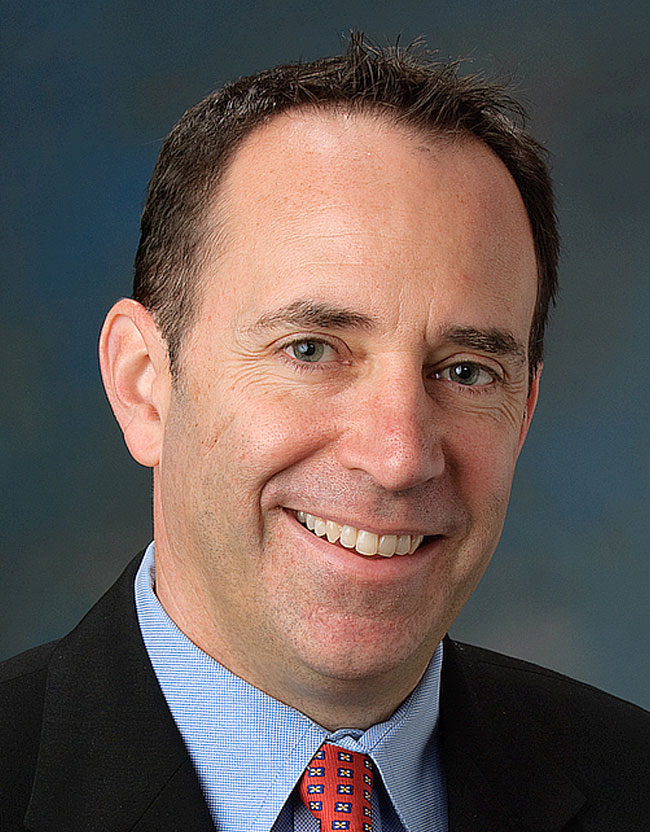
Ike Brannon, Economist, President of Capital Policy Analytics and a Senior Fellow at the Jack Kemp Foundation, discusses the proposed acquisition of U.S. Steel by Nippon Steel, why the merger would not undermine national security as some opponents claim, how it will keep jobs in the U.S., and what history should teach us about the impact on government overreach and restraints on foreign investments.

04 April 2024
Doug Kelly, CEO of American Edge Project ("AEP"), discusses AEP's recently released study, "American Innovation Under Siege: Venture Capital Data Reveals Risks from Rising Global Regulatory Overreach," how heavy-handed regulations negatively impact innovation, jobs and U.S. military readiness, and what recommendations the study offers on how the U.S. can win the innovation race against China.

30 June 2023
Charles “Cully” Stimson, Senior Legal Fellow at The Heritage Foundation, discusses the bizarre and disturbing turn of events surrounding Hunter Biden’s plea deal, what IRS whistleblowers told the House Ways and Means Committee and what their testimony might mean for Attorney General Merrick Garland, and Stimson's recently released book, “Rogue Prosecutors: How Radical Soros Lawyers are Destroying America’s Communities.

10 February 2023
Wayne Crews, Fred L. Smith Fellow in Regulatory Studies at the Competitive Enterprise Institute, discusses President Biden's push for more federal spending, regulation, and dependency, and the need to reduce the federal regulatory state.

09 October 2020
Diane Katz, Senior Research Fellow in Regulatory Policy at Roe Institute for Economic Policy Studies and the Institute for Economic Freedom and Opportunity at The Heritage Foundation, discusses how reforming regulation can spur economic growth, why policy decisions provide tangible benefits to easing regulatory burdens, and additional measures that are necessary to reduce red tape and costs to taxpayers while driving innovation.
