




|
|
|















25 April 2025
Timothy Lee, CFIF’s Senior Vice President of Legal and Public Affairs, discusses CFIF’s recently released legal primer that explores the constitutionality of License Plate Recognition (LPR) technology, and how the technology is used to fight crime.
0:00
0:00
Related Podcasts

28 September 2022
Lindsey Burke, Director of the Center for Education Policy at The Heritage Foundation, discusses President Biden's plan to cancel student debt for some borrowers, the Congressional Budget Office's recent $400 plus billion cost estimate, and why the plan is on shaky legal grounds.

26 April 2019
Charles "Cully" Stimson, Senior Legal Fellow & Manager, National Security Law Program at The Heritage Foundation, discusses the legal cases against Wikileaks founder Julian Assange and what comes next.
07 September 2018
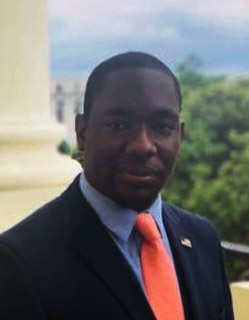
Diante Johnson, President and Founder of the Black Conservative Foundation, discusses how BCF has encouraged interest in the Black conservative movement, has supported future leaders in the conservative movement and has advocated on behalf of the conservative platform as it relates to the Black community.

21 October 2016
Glenn Lammi, Chief Counsel of the Legal Studies Division for Washington Legal Foundation, discusses WLF's Eating Away Our Freedoms project, debate over the freedom to choose what we eat and drink, soda taxes, and more.
22 April 2016
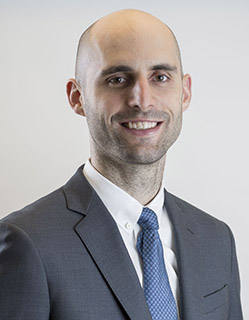
Kevin C. Corinth, Research Fellow in Economic Policy Studies at the American Enterprise Institute, discusses homelessness in America and his cutting-edge approach to fight it.

25 October 2013
Sam Kazman, General Counsel of Competitive Enterprise Institute, discusses the federal lawsuit challenging, among other things, the IRS's authority to distribute taxpayer subsidies under certain provisions of the Affordable Care Act, specifically in states that have opted not to create state exchanges.
