




|
|
|
















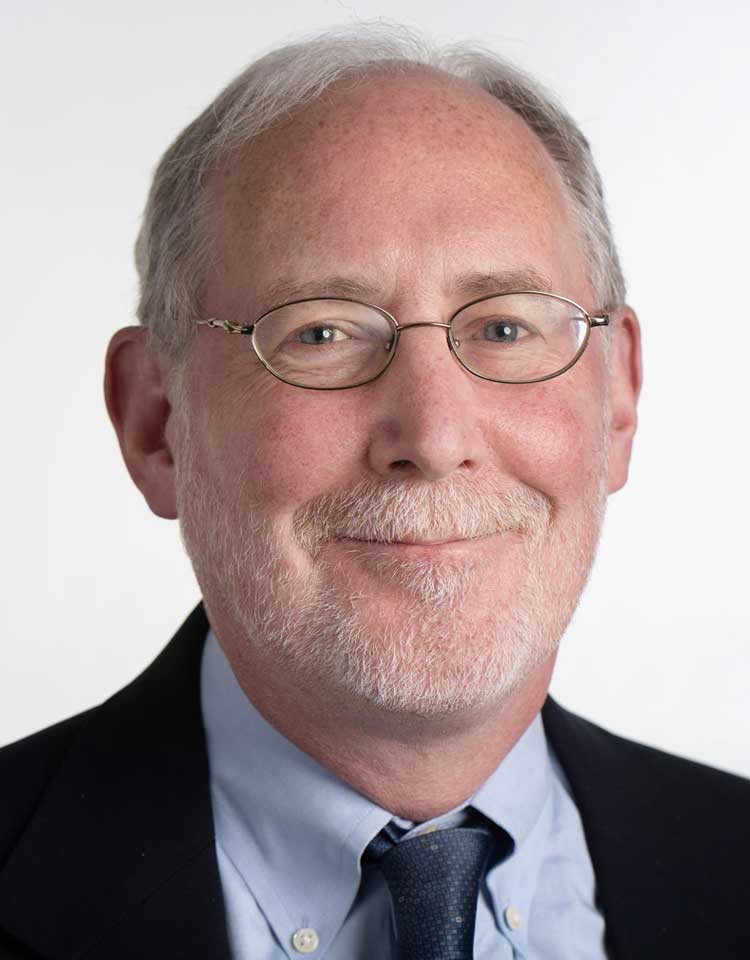
16 April 2026
Demian Brady, Vice President of Research for the National Taxpayers Union Foundation, discusses who pays income tax and who doesn’t, the hidden costs of the tax code, Congressional efforts to reduce the complexity of tax filings, and the need to review Congressional pensions for members who resign from Congress in disgrace.
0:00
0:00
Related Podcasts

21 March 2025
Jaimie Cavanaugh, Legal Policy Counsel at the Pacific Legal Foundation, discusses what states can do to create more competition and drive down the rising cost of healthcare, how Certificate of Need (CON) laws impede access to care and block competition while limiting consumer choice and stifling innovation, and what state legislators can and should do to reform and repeal these antiquated laws.
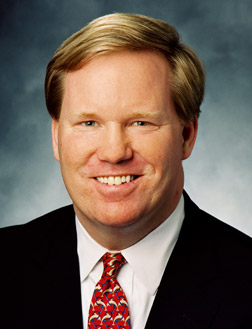
01 November 2024
Tiger Joyce, President of the American Tort Reform Association (ATRA), discusses the excessive tort costs harming small businesses, jobs and economic growth, which states are judicial hellholes and which are models for sensible tort laws, why third party litigation financing is the single greatest change for the worse in the litigation system today, and what voters should look for in candidates when it comes to supporting a balanced justice system.
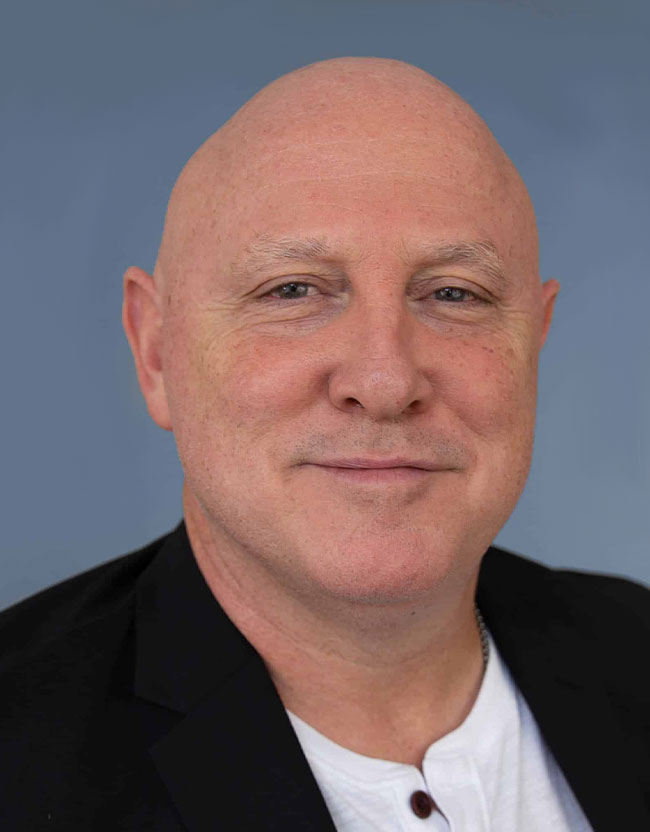
05 January 2024
Wayne Crews, Fellow in Regulatory Studies at the Competitive Enterprise Institute, discusses the cost of federal regulations to the U.S. economy, and the need for regulatory transparency and reform.
29 July 2022
Timothy Lee, CFIF's Senior Vice President of Legal and Public Affairs, discusses the potential real world costs of prescription drug price controls, including lost lives, shortages and innovation disincentives, and how drug prices are weathering the inflation storm.
10 March 2022
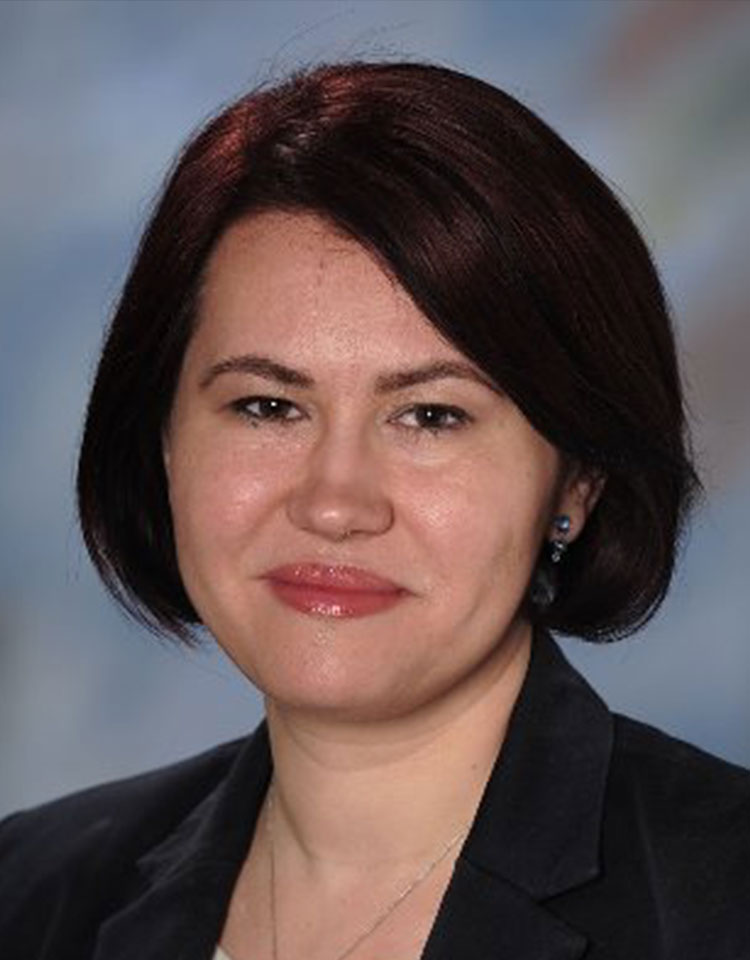
Dr. Diana M. Girnita, MD, PhD, CEO & Founder of Rheumatologist OnCall and a strong advocate for empowering physicians and patients to take charge of their medical health, discusses some of the serious challenges with America's healthcare system, why patients and their physicians should be allowed to assess the risks and make their own decisions free from government mandates, and how health savings accounts (HSAs) can further improve access to healthcare.
12 January 2018
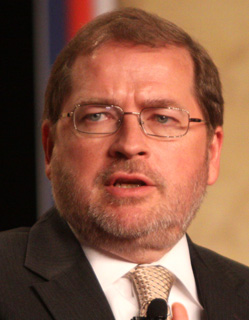
Grover Norquist, President of Americans for Tax Reform, discusses how one million Americans (and counting) will receive bonuses due to tax reform and how many more will enjoy lower rates for utilities as well.
