




|
|
|




24 February 2011
Edward Lengel, editor-in-chief of the Washington Papers Project and professor at the University of Virginia, discusses his new book, "Inventing George Washington: America's Founder, in Myth & Memory."
0:00
0:00
Related Podcasts
30 January 2026
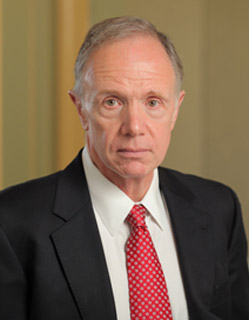
William J. Conti, an attorney from Washington, DC, discusses the first year of President Trump’s second term as president, how it compares to that of other presidents and what it may mean for the 2026 midterm elections.

06 June 2025
Phil Kerpen, President of American Commitment and Principal at the Committee to Unleash Prosperity, discuses the potential victories and disappointments in the current version of President Trump’s “big, beautiful bill,” the players to watch as the bill makes its way through the Senate, the recent analysis from the Congressional Budget Office (CBO), and other administration efforts underway to decrease the deficit and enhance growth.
07 March 2025
William J. Conti, an Attorney from Washington, DC, discusses the winners and losers following President Trump’s address to Congress, the enhanced transparency of the Trump administration, and why the first six weeks of President Trump’s second term look so different from those of his first term.
24 January 2025
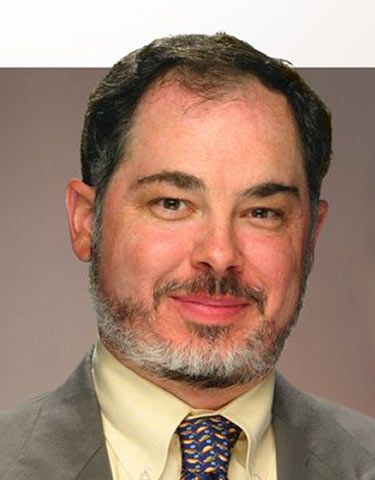
Quin Hillyer, Newspaper Columnist, Writer and Editor, discusses the rationale behind President Trump’s efforts to “purchase” Greenland from Denmark, the strategic importance of the island, whether Trump’s success sends a message to Canada and/or the Panama Canal, and how the media and citizenry both are failing civics.
05 December 2024
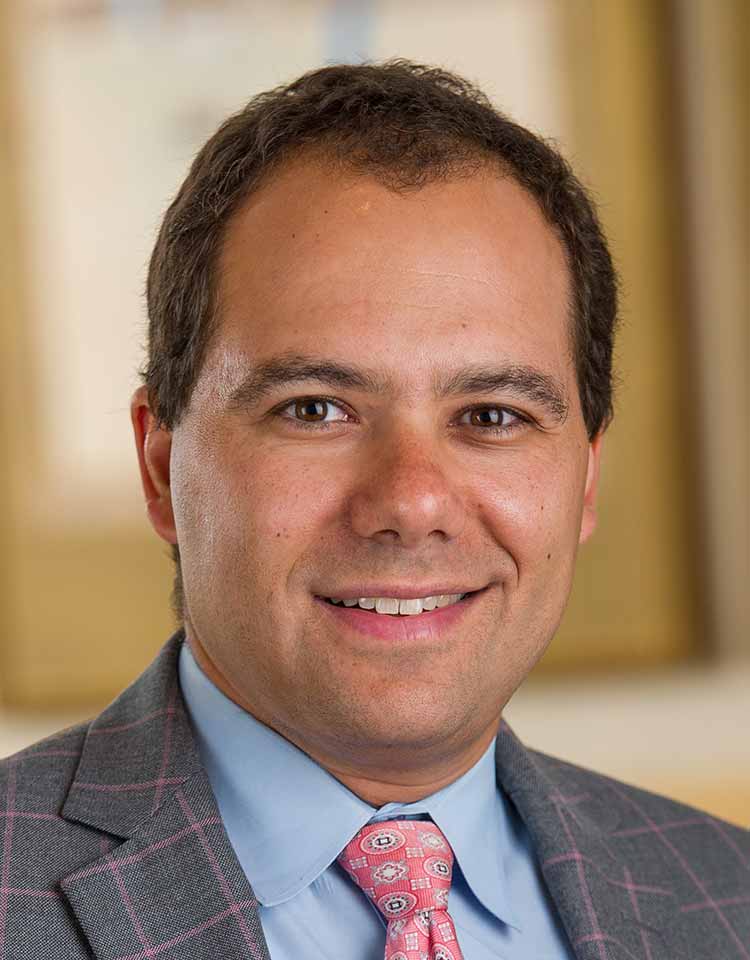
Ilya Shapiro, Senior Fellow and Director of Constitutional Studies at the Manhattan Institute, discusses the unprecedented but not unconstitutional idea of President-elect Trump nominating Supreme Court justices prior to a vacancy, the likelihood of an upcoming retirement of a current justice, the current caseload of the Court, and his new book, "Lawless: The Miseducation of America's Elites."
09 December 2016
Dr. Eliot Cohen, Robert E. Osgood Professor at Johns Hopkins University's School of Advanced International Studies and former counselor of the Department of State for Condoleezza Rice, discusses his latest book, "The Big Stick: The Limits of Soft Power and the Necessity of Military Force" and the principles that should guide President Trump when faced with decisions about how and when to deploy America's military might.
