




|
|
|















16 December 2011
Thomas W. Hazlett, professor of law and economics at George Mason University and former chief economist of the FCC, discusses the ramifications of the recent Senate vote to reject an attempt to overturn the FCC's net neutrality rules and his recent Encounter Books Broadside titled, "The Fallacy of Net Neutrality."
0:00
0:00
Related Podcasts
06 August 2026
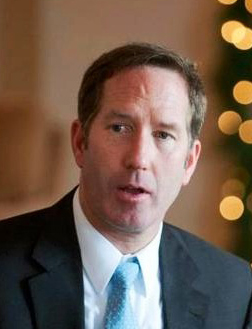
Timothy Lee, CFIF’s Senior Vice President of Legal and Public Affairs, discusses the public policy ramifications of ignoring Dr. Anthony Fauci’s COVID-era diary, whether his diary entries contradict what he told the public, and why he is facing a contempt charge from Congress.

16 July 2026
Ben Lieberman, Senior Fellow at the Competitive Enterprise Institute, discusses efforts to undo liberal policy regulations that limit consumer choice when it comes to appliances, home heating units, cars and more.

13 June 2025
Wayne Crews, the Fred L. Smith Fellow in Regulatory Studies at the Competitive Enterprise Institute, discusses the recently released "Ten Thousand Commandments: An Annual Snapshot of the Federal Regulatory State,” how Congress is disregarding its enumerated powers, and the role of DOGE to commence deconstruction of the administrative state.

24 October 2024
Phil Kerpen, President of American Commitment, discusses a recently filed lawsuit seeking emails on why the American Academy of Pediatrics backtracked in 2020 on supporting schools reopening in the fall of 2020, the role of the teachers unions, and the potential political motivation behind the reversal.

18 October 2024
Ryan Young, Senior Economist at the Competitive Enterprise Institute, discusses how Hurricane Helene and Hurricane Milton relief efforts are being hindered by regulations, including those relating to delivery of necessary emergency supplies, occupational licensing laws limiting access to home builders and healthcare workers, and how lessons learned during the COVID pandemic remind us of why unnecessary and counterproductive regulations should be eliminated.
08 February 2024
Ryan Young, Senior Economist at the Competitive Enterprise Institute, discusses the recent report from the Bureau of Economic Analysis regarding final GDP numbers for 2023, what they mean for 2024, the latest unemployment numbers, and why Congress should pass the pro-transparency ALERT Act with the aim to reduce the number of ridiculous regulations.
