




|
|
|





22 December 2011
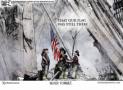
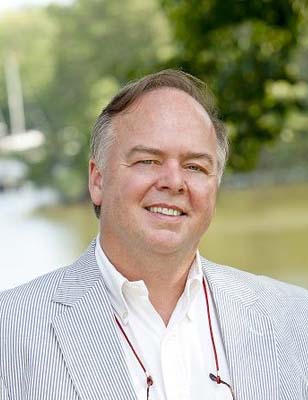
Bestselling book author Craig Shirley discusses the attack on Pearl Harbor and his latest book, "December 1941: 31 Days that Changed America and Saved the World."
0:00
0:00
Related Podcasts
01 May 2020
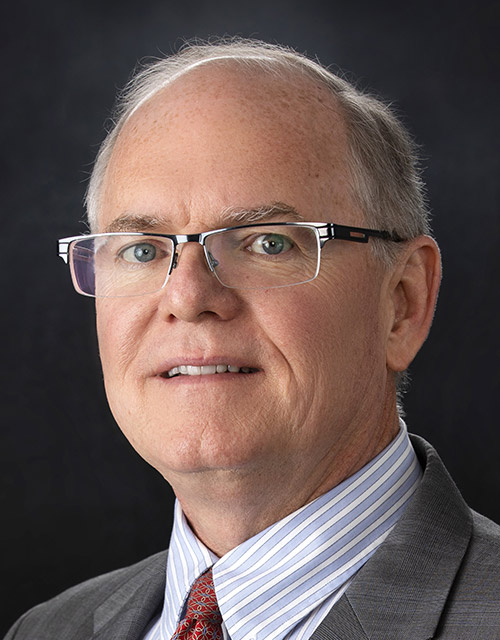
Robert Norton, General Counsel for Hillsdale College, discusses the lessons learned following Pearl Harbor that could be applied today in the war against coronavirus, why Michigan is such a hot zone for infections, and how universities may address the problem in the months to come.
19 August 2016
Victor Davis Hanson, the Martin and Illie Anderson Senior Fellow in Residence in Classics and Military History at the Hoover Institution, discusses the divisiveness of the 2016 elections, the candidates' strengths and weaknesses, and why borders matter.
02 August 2013
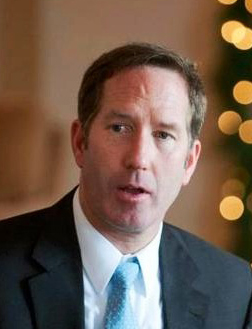
CFIF Senior Vice President Timothy Lee discusses the liberal policy decisions, which spanned multiple decades, that contributed to Detroit's bankruptcy and compares them to the limited-government policies in Houston, Texas, a city that is thriving.
22 April 2010
Foreign policy expert Bruce Herschensohn, a professor at the School of Public Policy at Pepperdine University and member of the Board of Directors of CFIF, discusses his latest book, An American Amnesia: How the U.S. Congress Forced the Surrenders of South Vietnam and Cambodia, and warns against the danger of succumbing to a similar voluntary amnesia in the future.

19 March 2010
CFIF Senior Fellow Troy Senik discusses how California's fiscal troubles compare to the nation's, and why The Golden State's progressive policies should be avoided at all cost on the federal level.
