




|
|
|












20 September 2013
Robert J. ("RJ") Smith, Distinguished Fellow at the Competitive Enterprise Institute's Center for Energy and Environment, discusses how the federal government's continuous acquisition of land across America undermines conscientious private stewardship of land, waters, and other resources and contributes to forests becoming overgrown and filled with trees, resulting in catastrophic wildfires.
0:00
0:00
Related Podcasts

26 March 2025
Brian Rankin, Adjunct Fellow at the Competitive Enterprise Institute, discusses federal funding for public broadcasting, how the money has been used by NPR, PBS and local affiliates, and why it’s time to cut the funding cord.
16 August 2024
Timothy Lee, CFIF's Senior Vice President of Legal and Public Affairs, discusses the recent decision by the U.S. Court of Appeals for the Sixth Circuit to put a hold on the FCC's Title II Net Neutrality rules, and how history has proven that the consequences of Title II Net Neutrality are disastrous and immediate.
18 April 2024
Ike Brannon, Economist, President of Capital Policy Analytics and a Senior Fellow at the Jack Kemp Foundation, discusses the proposed acquisition of U.S. Steel by Nippon Steel, why the merger would not undermine national security as some opponents claim, how it will keep jobs in the U.S., and what history should teach us about the impact on government overreach and restraints on foreign investments.

27 April 2023
Karen Kerrigan, President and CEO of the Small Business & Entrepreneurship Council, discusses World IP Day and this year’s global theme, “Women in IP: Accelerating Innovation and Creativity,” and Julie Su, President Biden's troubling nominee to be Secretary of U.S. Department of Labor.
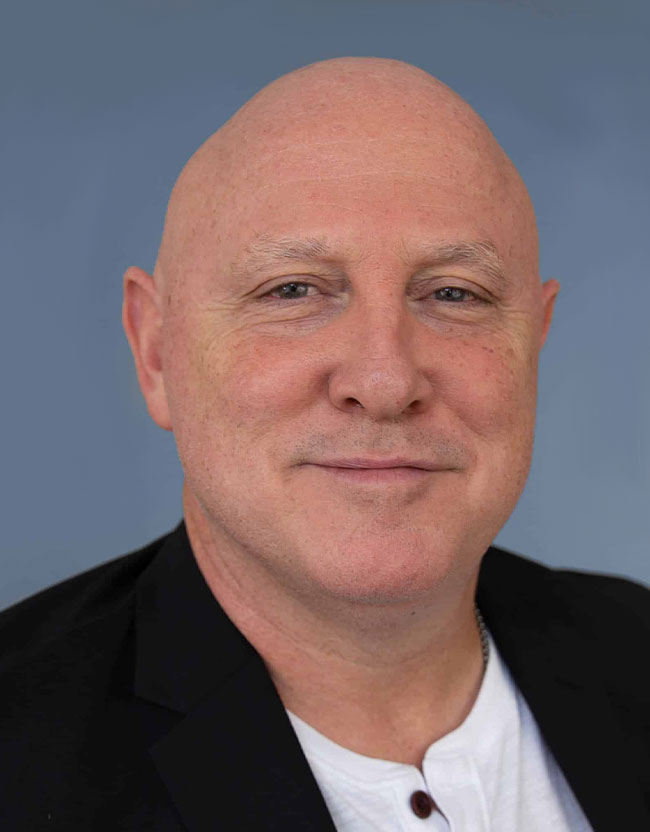
10 February 2023
Wayne Crews, Fred L. Smith Fellow in Regulatory Studies at the Competitive Enterprise Institute, discusses President Biden's push for more federal spending, regulation, and dependency, and the need to reduce the federal regulatory state.

23 April 2020
Rachel Greszler, Research Fellow in Economics, Budget & Entitlements in the Grover M. Hermann Center for the Federal Budget at the Institute for Economic Freedom at The Heritage Foundation, discusses the SBA small business loan program, why states shouldn't get a federal bailout, and the need to eliminate incentives that increase unemployment and discourage able workers from accepting jobs.
