




|
|
|














25 September 2008
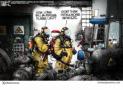
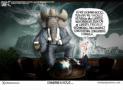
Recently, CFIF Director of Legal and Public Affairs Timothy Lee joined Renee Giachino, CFIF‘s Corporate Counsel and Senior Vice President, to discuss why Americans deserve and could get relief quickly at the pumps once the moratorium is lifted and why it is time for the United States to drill here and drill now.
0:00
0:00
Related Podcasts
06 August 2026
Timothy Lee, CFIF’s Senior Vice President of Legal and Public Affairs, discusses the public policy ramifications of ignoring Dr. Anthony Fauci’s COVID-era diary, whether his diary entries contradict what he told the public, and why he is facing a contempt charge from Congress.

24 October 2024
Phil Kerpen, President of American Commitment, discusses a recently filed lawsuit seeking emails on why the American Academy of Pediatrics backtracked in 2020 on supporting schools reopening in the fall of 2020, the role of the teachers unions, and the potential political motivation behind the reversal.

18 October 2024
Ryan Young, Senior Economist at the Competitive Enterprise Institute, discusses how Hurricane Helene and Hurricane Milton relief efforts are being hindered by regulations, including those relating to delivery of necessary emergency supplies, occupational licensing laws limiting access to home builders and healthcare workers, and how lessons learned during the COVID pandemic remind us of why unnecessary and counterproductive regulations should be eliminated.
31 May 2024
Karen Kerrigan, President and CEO of the Small Business and Entrepreneurship Council, discusses the Federal Trade Commission's recent ban on the use of non-compete agreements, the slippery slope of such regulatory overreach, lawsuits challenging the rule, and the recent report issued by the U.S. House Committee on Small Business that highlights the significant costs to small businesses and the potential serious risk of loss and closures as a result of the new rule.
21 December 2017
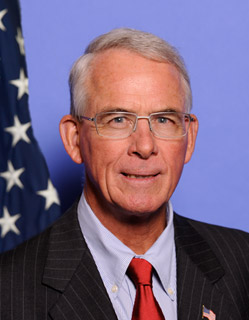
Representative Francis Rooney (R-FL) discusses his position on offshore drilling in the Gulf of Mexico and its potential impact on tourism, the economy and the environment.
27 June 2009
Recently, energy expert Jack Rafuse joined CFIF‘s Renee Giachino to discuss rising gasoline prices, alternative energy sources, offshore drilling and climate change legislation.
