




|
|
|













01 December 2014
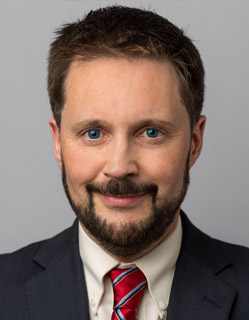
Pete Sepp, President of the National Taxpayer's Union, discusses proposed federal legislation that threatens to penalize global insurance and reinsurance capacity that is critical to citizens' and states' ability to bounce back from hurricanes and other natural disasters.
0:00
0:00
Related Podcasts

09 October 2026
Sally Pipes, President and CEO of the Pacific Research Institute, discusses what the United States can learn from Canada's and the United Kingdom's single-payor systems, and the real costs of “Medicare for All,” including the elimination of private healthcare, physician shortages, hidden taxes, and lack of access.
06 February 2026
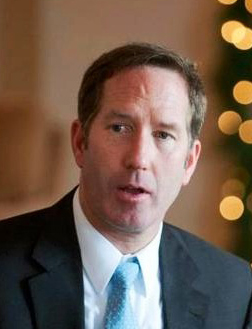
Timothy Lee, Senior Vice President of Legal and Public Affairs at the Center for Individual Freedom, discusses how efforts to target companies that sell entertainment tickets is counterproductive, why the free market should win over legislation that distorts the market, and what the recent U.S. Census tells us about the “science of democracy.”

18 October 2024
Ryan Young, Senior Economist at the Competitive Enterprise Institute, discusses how Hurricane Helene and Hurricane Milton relief efforts are being hindered by regulations, including those relating to delivery of necessary emergency supplies, occupational licensing laws limiting access to home builders and healthcare workers, and how lessons learned during the COVID pandemic remind us of why unnecessary and counterproductive regulations should be eliminated.
18 April 2024
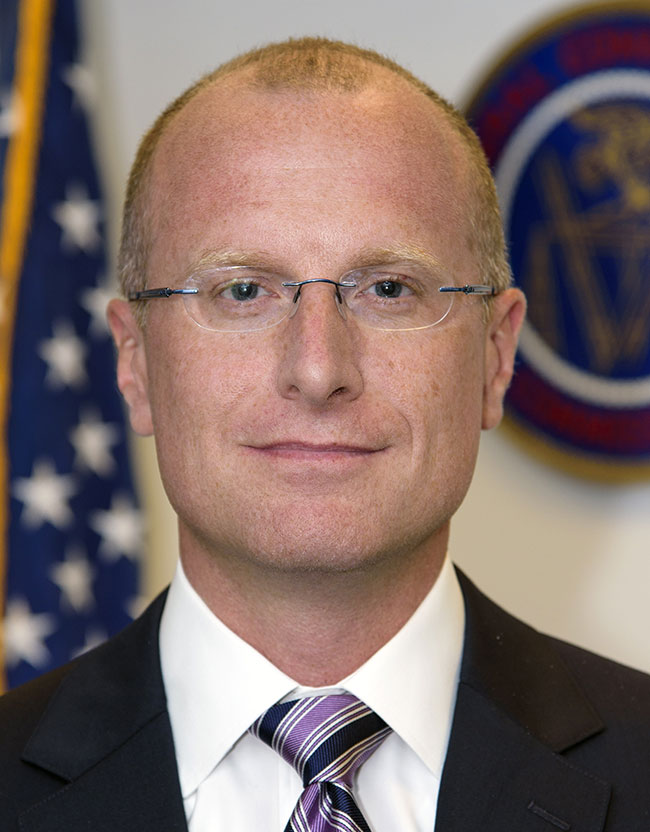
Federal Communications Commission (FCC) Commissioner Brendan Carr discusses the FCC's upcoming vote on a rule that will subject the internet to crippling, utility-style regulatory powers under Title II of the Communications Act of 1934, the myths and facts surrounding "net neutrality," and how this massive expansion of government power over the internet is unnecessary at a time when Americans are experiencing lower prices, faster speeds, increased competition, and accelerated infrastructure build-outs.

14 April 2023
Bryan Bashur, Federal Affairs Manager of the Americans for Tax Reform, discusses the collapse of Silicon Valley Bank and Signature Bank, why lawmakers should reject any legislative or regulatory actions to increase or expand federal deposit insurance on a temporary or permanent basis, and why increasing or expanding deposit insurance would present a moral hazard, propagate a cycle of riskier behavior, and could force banks to be more reliant on the federal government.
11 January 2019
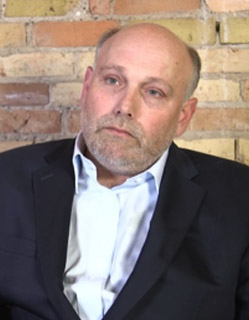
Pat Rosenstiel, Founder and Chairman of the Trade Alliance to Promote Prosperity, discusses HHS's proposal to create an "International Pricing Index" payment model for prescription drugs administered under Medicare Part B, why this proposal is bad for Americans and how it will hurt research and development of new drugs.
