




|
|
|











01 May 2015
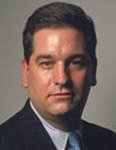
Peter Roff, contributing editor at U.S. News & World Report and a senior fellow at Frontiers for Freedom, discusses why Trade Promotion Authority is a necessary step to get Congress moving on a long-stalled trade agenda, what precedent exists for this authority, and why it should not be considered executive overreach.
0:00
0:00
Related Podcasts
14 December 2023
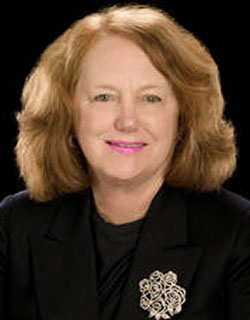
Sally Pipes, President and CEO of Pacific Research Institute, discusses a policy reform agenda for Congress that will make high-quality healthcare more affordable and accessible to all Americans, lessons learned from the Canadian healthcare system on what not to do, and reports from California on Governor Newsom’s track record on healthcare policy.

11 February 2022
Rachel Greszler, Research Fellow in Economics, Budget and Entitlements at The Heritage Foundation, discusses the most problematic provisions included in the Biden Administration’s Worker’s Task Force pro-union recommendations, and how the Administration's anti-worker agenda ultimately may be railroaded through via executive fiat.

23 January 2020
Bryan Riley, Director of National Taxpayer Union's Free Trade Initiative, discusses the latest developments in the U.S.-Mexico-Canada Agreement (USMCA), what it means for taxpayers, how the proposed changes impact intellectual property protections, and what may work in negotiating U.S. trade relations with China.
24 May 2019
Clark Packard, Trade Policy Counsel at the R Street Institute, discusses the back-and-forth between America and China on trade.
12 April 2019
Ilya Shapiro, Director of the Robert A. Levy Center for Constitutional Studies at the Cato Institute, discusses whether the federal government should allow interstate marijuana trade among those states that have legalized medical and/or recreational marijuana.
08 March 2019
Christopher Horner, Senior Fellow at the Competitive Enterprise Institute, discusses environmental policy at the state level, the states' role in attorneys general-led climate crusades, and the Virginia legislature's efforts to thwart Michael Bloomberg's AG environmental attorney scheme.
