




|
|
|

















18 March 2016
Roslyn Layton, a Visiting Fellow at the American Enterprise Institute's Center for Internet, Communications, and Technology Policy, discusses the FCC's latest effort to regulate privacy, why it constitutes overreach by the agency, and how the privacy rules for Internet service providers will limit competition in the online advertising market.
0:00
0:00
Related Podcasts

21 February 2025
Pete Sepp, President of the National Taxpayers Union, discusses why IRS enforcement funding should be reallocated to agency modernization, why Congress should keep the corporate tax rate stable, and other areas of concern relating to taxes and the economy, including Medicare, Medicaid and tariffs.
16 November 2023
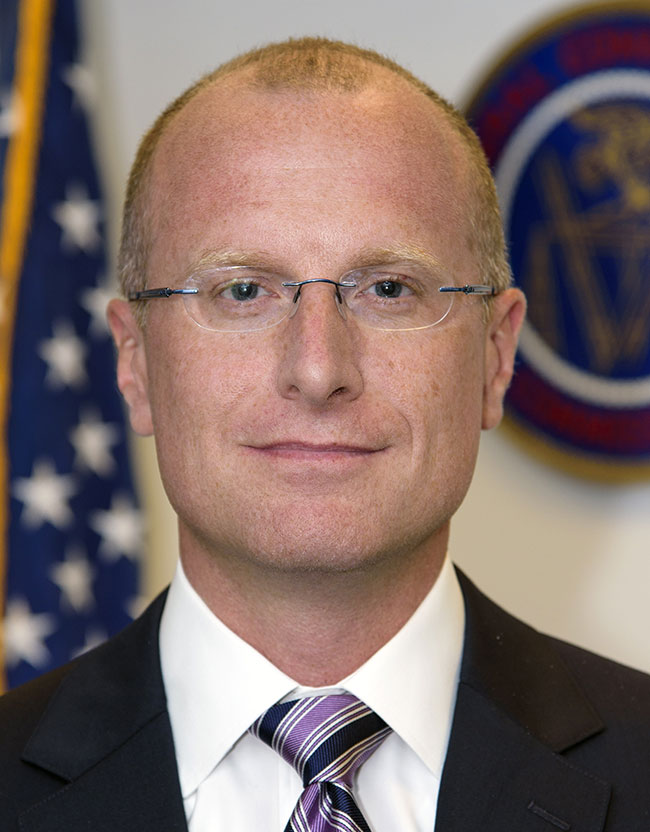
FCC Commissioner Brendan Carr discusses how the Commission's recently adopted rules relating to "digital equity" amount to an overreaching and unlawful power grab that gives the government effective regulatory control over all internet services and infrastructure.
27 October 2023
Timothy Lee, Senior Vice President of Legal and Public Affairs at the Center for Individual Freedom, discusses the Biden Administration's attempt to resurrect Title II, "Net Neutrality" internet regulation.
23 July 2021
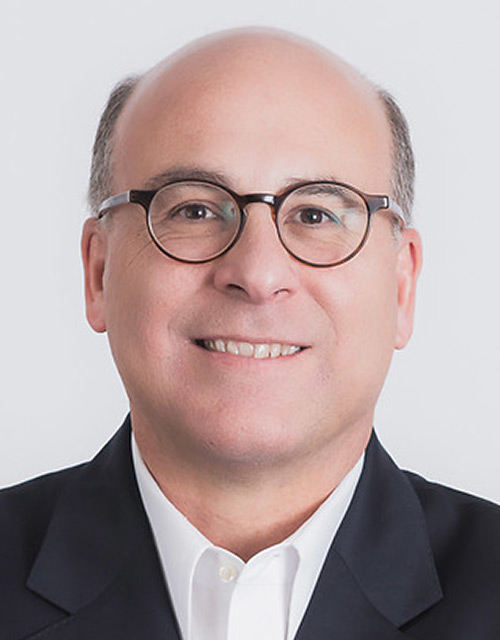
Lee Goodman, Partner in the Washington, D.C., law office of Wiley, discusses the U.S. Supreme Court's recent ruling regarding the facial challenge to California's compulsory disclosure requirement of the names and other personal information of donors to non-profit organizations, broad First Amendment protection applied in the case, and what the 6-3 decision may mean in other states with similar requirements.
28 March 2014
David Williams, President of the Taxpayers Protection Alliance, discusses the Federal Communications Commission's (FCC) attempt to require groups that comment on FCC issues to disclose their donors and why the proposed rules raise significant First Amendment and privacy concerns.

10 June 2010
Interview with Americans for Prosperity Vice President Phil Kerpen regarding the Federal Communications Commission's effort to circumvent a federal appeals court ruling and public opinion as it seeks to impose unnecessary and burdensome regulations on the Internet.
