




|
|
|















21 April 2017
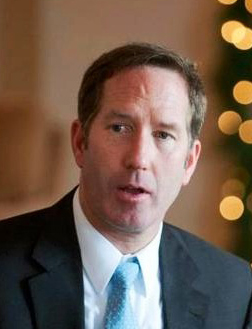
Timothy Lee, CFIF's Senior Vice President for Legal and Public Affairs, discusses the 1951 federal Wire Act, internet sports betting and the history of state regulation of gambling across the country.
0:00
0:00
Related Podcasts
11 December 2025
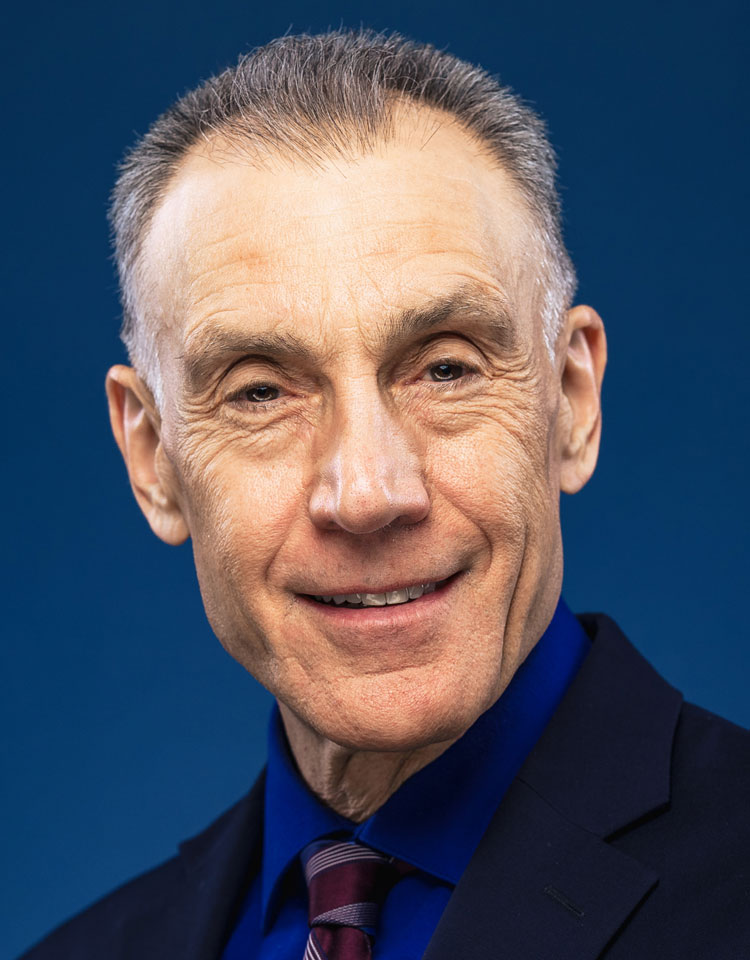
Marlo Lewis, Senior Fellow at the Competitive Enterprise Institute, discusses the Trump administration's recent efforts to roll back fuel economy standards, why consumer preference should drive the standards, and how the unrealistic requirements set by the Biden administration would have ultimately led to bans on gas powered vehicles, restricted freedom and raised auto prices.
07 March 2025
William J. Conti, an Attorney from Washington, DC, discusses the winners and losers following President Trump’s address to Congress, the enhanced transparency of the Trump administration, and why the first six weeks of President Trump’s second term look so different from those of his first term.
18 April 2024
Federal Communications Commission (FCC) Commissioner Brendan Carr discusses the FCC's upcoming vote on a rule that will subject the internet to crippling, utility-style regulatory powers under Title II of the Communications Act of 1934, the myths and facts surrounding "net neutrality," and how this massive expansion of government power over the internet is unnecessary at a time when Americans are experiencing lower prices, faster speeds, increased competition, and accelerated infrastructure build-outs.
12 April 2024
Timothy Lee, CFIF's Senior Vice President of Legal and Public Affairs, discusses the FCC's plan to reinstate crippling utility-style Title II regulations on the Internet, and how further expansion of government power over the Internet could result in less innovation, censorship, and higher costs for consumers.
16 November 2023
FCC Commissioner Brendan Carr discusses how the Commission's recently adopted rules relating to "digital equity" amount to an overreaching and unlawful power grab that gives the government effective regulatory control over all internet services and infrastructure.
16 June 2017
Timothy Lee, CFIF's Senior Vice President of Legal and Public Affairs, discusses why rejecting the costly Paris Climate Treaty puts American interests first and why FCC Chairman Ajit Pai's plan to repeal the Obama era Title II internet classification is good for consumers.
