




|
|
|















26 May 2017
Ryan Radia, Research Fellow and Regulatory Counsel at the Competitive Enterprise Institute, discusses why the FCC needs to free the internet from Title II regulatory control and why FCC Chairman Ajit Pai's proposal to reverse Obama’s Title II takeover will be better for pricing and innovation.
0:00
0:00
Related Podcasts
18 April 2024
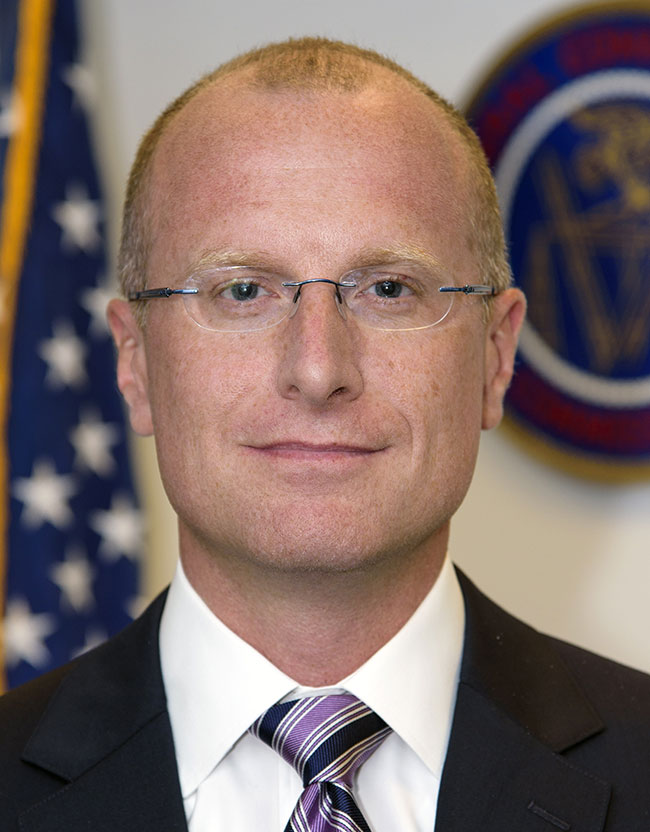
Federal Communications Commission (FCC) Commissioner Brendan Carr discusses the FCC's upcoming vote on a rule that will subject the internet to crippling, utility-style regulatory powers under Title II of the Communications Act of 1934, the myths and facts surrounding "net neutrality," and how this massive expansion of government power over the internet is unnecessary at a time when Americans are experiencing lower prices, faster speeds, increased competition, and accelerated infrastructure build-outs.
12 April 2024
Timothy Lee, CFIF's Senior Vice President of Legal and Public Affairs, discusses the FCC's plan to reinstate crippling utility-style Title II regulations on the Internet, and how further expansion of government power over the Internet could result in less innovation, censorship, and higher costs for consumers.
16 November 2023
FCC Commissioner Brendan Carr discusses how the Commission's recently adopted rules relating to "digital equity" amount to an overreaching and unlawful power grab that gives the government effective regulatory control over all internet services and infrastructure.

10 August 2018
Roslyn Layton, Visiting Scholar at the American Enterprise Institute, discusses the latest developments in the Title II/net neutrality debate, a proposed Congressional Review Act resolution and privacy regulation.
28 July 2017
Roslyn Layton, Visiting Scholar at the American Enterprise Institute, discusses how the application of the Title II regulatory framework to the internet has harmed consumers and innovators, how it creates a system of government-owned broadband networks under FCC control, and how a rollback of Title II will ensure the internet is allowed to evolve through free-market forces.
16 June 2017
Timothy Lee, CFIF's Senior Vice President of Legal and Public Affairs, discusses why rejecting the costly Paris Climate Treaty puts American interests first and why FCC Chairman Ajit Pai's plan to repeal the Obama era Title II internet classification is good for consumers.
