




|
|
|















26 October 2017
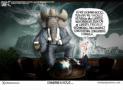
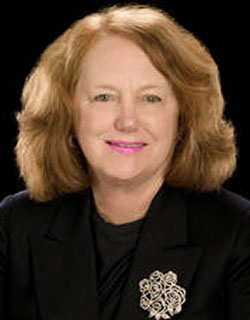
Sally Pipes, President and Chief Executive Officer of the Pacific Research Institute, discusses President Trump's recent executive order rolling back a handful of ObamaCare regulations, why patients and employers should celebrate the move and what lies ahead for ObamaCare.
0:00
0:00
Related Podcasts

16 July 2026
Ben Lieberman, Senior Fellow at the Competitive Enterprise Institute, discusses efforts to undo liberal policy regulations that limit consumer choice when it comes to appliances, home heating units, cars and more.
11 December 2025
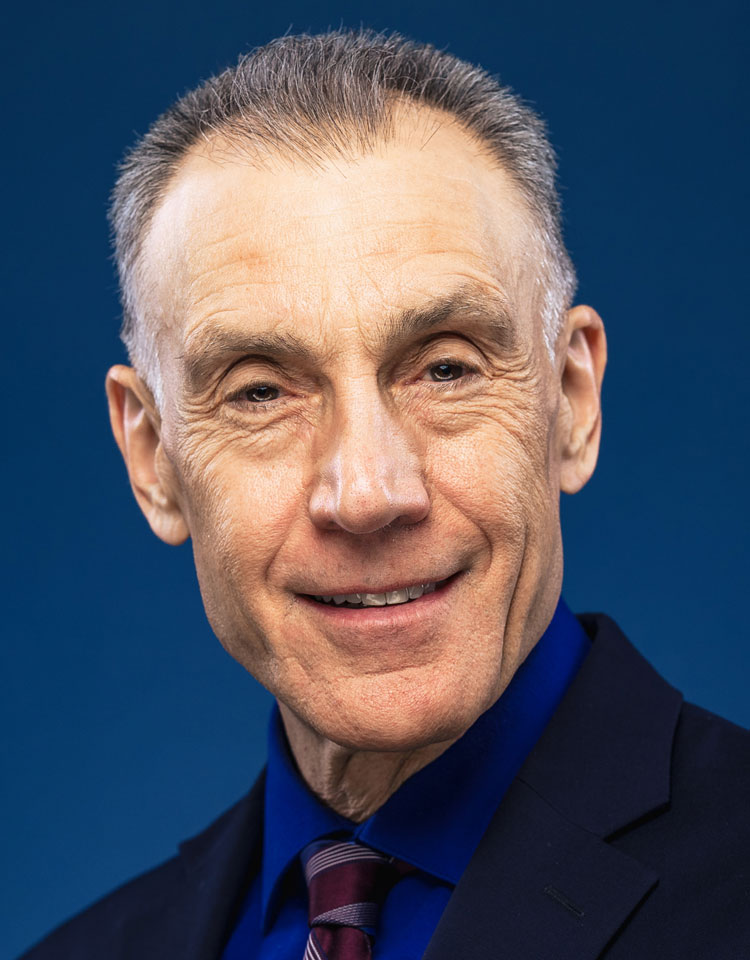
Marlo Lewis, Senior Fellow at the Competitive Enterprise Institute, discusses the Trump administration's recent efforts to roll back fuel economy standards, why consumer preference should drive the standards, and how the unrealistic requirements set by the Biden administration would have ultimately led to bans on gas powered vehicles, restricted freedom and raised auto prices.
20 November 2025
Sally Pipes, President, CEO and Thomas W. Smith Fellow in Healthcare Policy at the Pacific Research Institute, discusses why Congress should not extend the enhanced subsidies under Obamacare, the amount of fraud and government waste related to the enhanced subsidies, and how sending the money directly to consumers for use with an HSA or FSA is a logical solution that puts healthcare decisions and spending back in the hands of patients.
13 June 2025
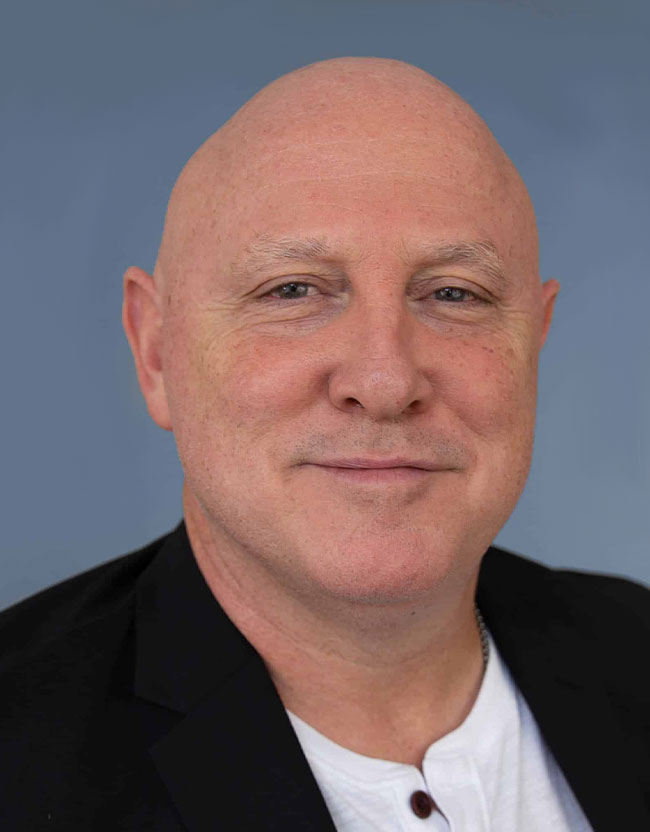
Wayne Crews, the Fred L. Smith Fellow in Regulatory Studies at the Competitive Enterprise Institute, discusses the recently released "Ten Thousand Commandments: An Annual Snapshot of the Federal Regulatory State,” how Congress is disregarding its enumerated powers, and the role of DOGE to commence deconstruction of the administrative state.
16 June 2017
Timothy Lee, CFIF's Senior Vice President of Legal and Public Affairs, discusses why rejecting the costly Paris Climate Treaty puts American interests first and why FCC Chairman Ajit Pai's plan to repeal the Obama era Title II internet classification is good for consumers.

19 June 2015
Robert King, Healthcare Correspondent for the Washington Examiner, discusses King v. Burwell, ObamaCare's impact on small businesses, prescription drugs and government intervention, and whether America is ready for a bioterror attack.
