




|
|
|














21 December 2017
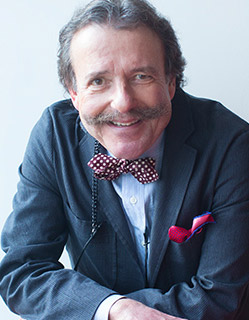
Peter Cove, Advocate for Private Solutions to Welfare Dependency and Author of "Poor No More," discusses why U.S. disability programs need a work requirement.
0:00
0:00
Related Podcasts
25 March 2022
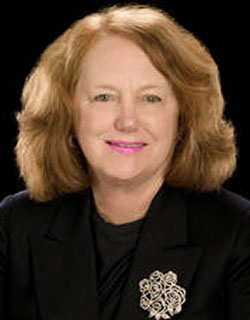
Sally Pipes, President, CEO, and the Thomas W. Smith Fellow in Healthcare Policy at the Pacific Research Institute, discusses Senator Bernie Sanders' latest plan to invoke government red tape and strangle patient access, why both single-payer healthcare and the public option still won't work, how pharmaceutical price controls would limit access and stifle innovation, and why the FDA's accelerated approval program should continue, saving lives and money.

28 October 2021
Leslie Ford, Visiting Fellow in Domestic Policy Studies at The Heritage Foundation, discusses the negative impact of workless safety-net benefits, why President Biden needs to remember the history of the bipartisan law requiring work as a basis for welfare, and how the child tax credit should not be a monthly child allowance.

28 February 2020
Vinnie Vernuccio, Labor Policy Senior Fellow at the Mackinac Center for Public Policy's Workers for Opportunity, discusses the current status of right-to-work laws in the United States in the wake of the Supreme Court's 2018 decision in Janus v. American Federation of State, Country, and Municipal Employees, Council 31, and legislation currently under consideration in several states.

16 November 2018
Trey Kovacs, Policy Analyst at the Competitive Enterprise Institute, discusses how the U.S. Department of Veterans Affairs has been paying certain employees to conduct labor union business on the taxpayer dime and how the agency announced it would be putting 430 medical professionals back to work for veterans.
01 June 2018
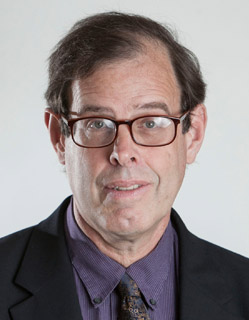
Nicholas Eberstadt, the Henry Wendt Chair in Political Economy at the American Enterprise Institute, discusses why the U.S. must have a radically different approach to diplomacy with North Korea, whether denuclearization is even an option with North Korea, and what President Trump can learn from President Reagan.
18 March 2016
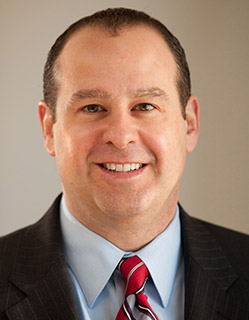
Thomas Pyle, President of the American Energy Alliance, discusses why governors and other state officials should immediately cease all efforts to comply with Obama's so-called "Clean Power Plan" following the Supreme Court's recent decision to put on hold the EPA's sweeping federal carbon mandates and why the failure to issue "stop work orders" risks wasting millions of taxpayer dollars.
