




|
|
|









13 April 2018
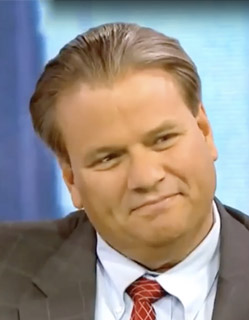
David Williams, President of the Taxpayers Protection Alliance, highlights ongoing wasteful spending at the World Health Organization (WHO) and discusses efforts underway to encourage the president and Congress to cut U.S. government funding to the international agency.
0:00
0:00
Related Podcasts
30 May 2025
Sherman “Tiger” Joyce, President of the American Tort Reform Association, discusses the latest MAHA Report and how it could be used as ammunition by the trial bar in mass tort litigation, and recently introduced legislation by Senator Thom Tillis (R-NC) regarding third-party litigation funding, the “Tackling Predatory Litigation Funding Act.”
26 March 2025
Brian Rankin, Adjunct Fellow at the Competitive Enterprise Institute, discusses federal funding for public broadcasting, how the money has been used by NPR, PBS and local affiliates, and why it’s time to cut the funding cord.
04 November 2022
Timothy Lee, Senior Vice President of Legal and Public Affairs at the Center for Individual Freedom, discusses the U.S. Court of Appeals for the Fifth Circuit's recent decision ruling the Consumer Financial Protection Bureau's (CFPB) funding scheme to be unconstitutional, why the payday lending rule violates the Constitution's separation of powers, and how Congress created the agency that has too much unaccountable power.
