




|
|
|














31 August 2018
Robert F. McDowell, Partner with Cooley LLP and Former FCC Commissioner, discusses the global significance of the proposed T-Mobile-Sprint merger and the positive impact it could have for consumers, innovation and labor markets.
0:00
0:00
Related Podcasts

17 September 2026
Marlo Lewis, Jr., Senior Fellow at the Competitive Enterprise Institute, discusses how the partial repeal of a Biden-era rule addresses EPA overreach, gets rid of every Biden requirement that would make fossil-generation unfeasible, and helps to address affordability concerns while ensuring America maintains reliable electricity sources.
06 August 2026
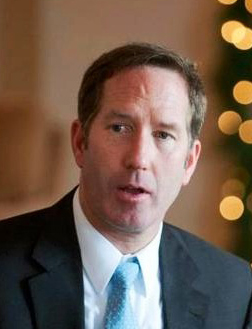
Timothy Lee, CFIF’s Senior Vice President of Legal and Public Affairs, discusses the public policy ramifications of ignoring Dr. Anthony Fauci’s COVID-era diary, whether his diary entries contradict what he told the public, and why he is facing a contempt charge from Congress.

10 July 2026
President and CEO of the Pacific Research Institute, discusses the real lesson of America’s rising rates of healthcare uninsured, how Medicaid work requirements will save taxpayers money, and how President Trump’s healthcare fraud crackdown is paying off.

04 December 2025
Phil Kerpen, President and Founder of American Commitment, discusses the recent drug-pricing deal negotiated by the Trump administration with the United Kingdom, the multiple benefits the agreement will have for Americans and drug innovation, why taxpayer subsidies to health insurers will not lower healthcare costs, and why price controls for credit card transactions are a bad idea.
18 September 2025
Timothy Lee, CFIF's Senior Vice President of Legal and Public Affairs, discusses recent economic news and the state of the U.S. economy, as well as crime and the methods and policies that work to reduce it.

12 May 2022
Nathan Lewis, author and a leading authority on monetary policy and economic history, discusses his latest book, Inflation: What It Is, Why It’s Bad, and How To Fix It, co-authored with Steve Forbes and Elizabeth Ames,. Lewis explains the threat inflation poses to our economy and democracy, what history has taught us about inflation, and guidelines to investing during inflationary times.
