




|
|
|













08 February 2019
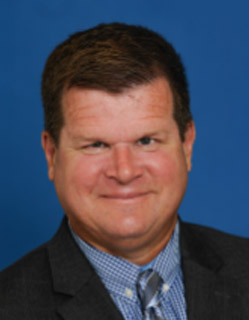
Dr. Robert M. Mcnab, Professor at Old Dominion University, discusses the challenges and promises of rural broadband access, what can help reduce the digital divide between rural and urban areas, and a recent study regarding the impact of broadband access and proposed investments in 5G networks in South Dakota.
0:00
0:00
Related Podcasts

13 August 2026
Evan Swarztrauber, Senior Fellow at the Digital Progress Institute and Host of "The Center Edge” podcast, discusses how disputes over utility pole attachments are burdening broadband deployment under the Broadband Equity, Access, and Deployment (BEAD) Program, why Congress and the FCC need to take a more active role on issues related to pole attachment cost-sharing and timelines, and what all of it means from a safety standpoint.

26 March 2026
Sally Pipes, President and CEO of the Pacific Research Institute, discusses how America’s healthcare system has never been better at keeping patients alive and living longer, types of governmental activities and proposals that disrupt America’s cycle of innovation, and the real drivers of high drug costs in America.

10 November 2022
McKenzie Richards, Policy Associate at the Pacific Research Institute, discusses simple solutions that can improve care and encourage healthcare services to be more "neighborhood-oriented," from improving telehealth options to getting rid of monopolistic "Certificate of Need" laws, and more.
07 January 2022
Timothy Lee, CFIF's Senior Vice President of Legal and Public Affairs, discusses 5G and airline safety, how nearly 40 countries use 5G with no negative impact, and how the Federal Aviation Administration's obstruction of domestic 5G rollout could harm America's leadership position and thwart innovation.
14 October 2021
Timothy Lee, CFIF's Senior Vice President for Legal and Public Affairs, discusses the outrageous push by President Biden and some in Congress to subsidize government-owned broadband networks, and a look at how inflation is outpacing American workers’ paycheck gains.

30 July 2021
Phil Kerpen, President of American Commitment, discusses how America's private broadband infrastructure should serve as a model to bring more private management and investment to other types of infrastructure, and how the Biden Administration's idea of massively funding a government takeover of broadband will lead to unsustainable, unreliable and costly services while disincentivizing private investment and innovation.
