




|
|
|












Load Newer Podcasts












29 June 2018
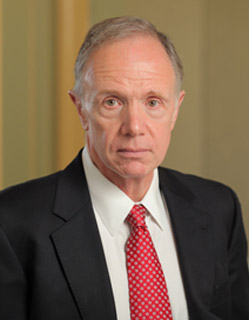
William J. Conti, Partner at Baker & Hostetler, discusses President Trump's recently modified policy regarding the separation of children of border crossers from their families, whether there was FBI bias in the Clinton-email investigation, and why some people have no appetite for partisan restaurant protests.
22 June 2018
Ilya Shapiro, Senior Fellow in Constitutional Studies at the Cato Institute and Editor-in-Chief of the Cato Supreme Court Review, discusses whether there is constitutional authority or precedent for President Trump to pardon himself should the need arise, and Supreme Court decisions this term.
22 June 2018
Andrew Grossman, Partner at Baker & Hostetler, discusses the role of administrative law judges, why we should care, and the grant of certiorari before the U.S. Supreme Court in a case relating to class action awards.
22 June 2018
Marc Scribner, Senior Fellow at the Competitive Enterprise Institute, discusses the Self Drive Act and the AV Start Act, and why slowing down driverless cars would be a fatal mistake.
22 June 2018
Richard Sander, Nationally-acclaimed UCLA Law Professor and Economist, discusses his contention that the Fair Housing Act was successful in promoting racial integration in many cities, how housing segregation is the most significant factor driving racial inequality, and his latest book, Moving Toward Integration.
19 June 2018
Bruce Herschensohn, CFIF Board Member, Political Commentator, Author and Senior Fellow at Pepperdine University School of Public Policy, discusses the Singapore summit, whether it's about substance or symbolism, what will define a successful summit, and President Trump's foreign policy.
15 June 2018
Timothy Lee, CFIF's Senior Vice President for Legal and Public Affairs, discusses the first day of the repeal of the FCC’s Title II/Net Neutrality rules, what that may (or may not) mean for the internet and consumers, and America's recent positive jobs report.
15 June 2018
Karen Kerrigan, President and CEO of the Small Business & Entrepreneurship Council, provides an update on the Farm Bill and the sugar reform amendment proposed therein, the impact to consumers and small businesses, and next steps to reform the outdated and outrageous policy.
08 June 2018
Michael Cannon, Cato Institute's Director of Health Policy Studies, discusses how HHS may soon restore consumer protections for short-term health plans, expanding health insurance protections that could make coverage more affordable.
08 June 2018
Steven P. Bucci, Ph.D., Visiting Fellow in the Douglas and Sarah Allison Center at The Heritage Foundation, discusses the ongoing debate regarding school security and four interconnected steps that should be undertaken.
08 June 2018
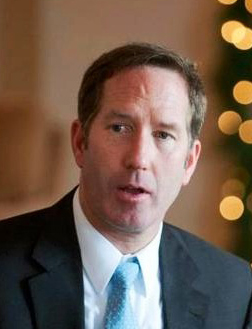
Commissioners Brecht Heuchan and Fred Karlinsky, Florida Constitution Revision Commission, discuss the eight revisions submitted by the Commission as proposed constitutional amendments on the 2018 General Election ballot for voter consideration.
01 June 2018
William J. Conti, Partner at Baker & Hostetler in Washington, DC, discusses the NFL's new anthem policy, whether Senator John McCain should resign, and more.
01 June 2018
Michelle Minton, Senior Fellow at the Competitive Enterprise Institute, discusses what happens next now that the Supreme Court ended the federal sports betting prohibition, and what the "integrity fee" is that is being proposed by some sports leagues.
01 June 2018
Nicholas Eberstadt, the Henry Wendt Chair in Political Economy at the American Enterprise Institute, discusses why the U.S. must have a radically different approach to diplomacy with North Korea, whether denuclearization is even an option with North Korea, and what President Trump can learn from President Reagan.
25 May 2018
Richard A. Samp, Chief Counsel at the Washington Legal Foundation, discusses the West Virginia Supreme Court of Appeals' decision to reject a novel theory of liability that would have held pharmaceutical manufacturers liable for injuries allegedly caused by drugs they neither manufactured nor sold.
Scroll to load more
