




|
|
|















Load Newer Podcasts













03 August 2018
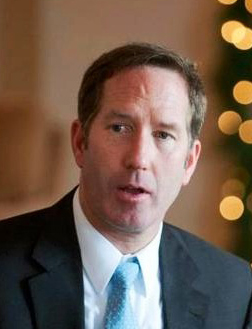
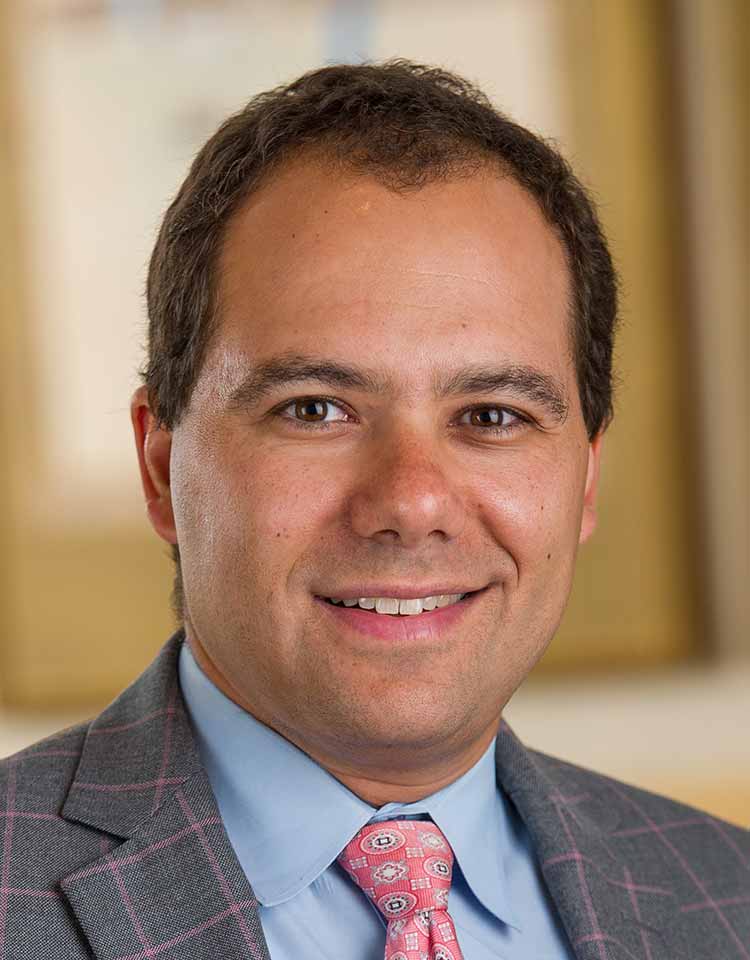
Bryan Riley, Director of National Taxpayer Union's Free Trade Initiative, discusses why new tariffs would hurt the U.S. economy, how tariffs don't actually bring down barriers but increase them, and proposed legislation being considered to change the president's authority on imposing tariffs.
27 July 2018
Cleta Mitchell, Partner and Political Law Attorney at Foley & Lardner LLP, discusses the IRS and Treasury Department's decision to no longer require certain tax-exempt organizations to file personally identifiable information about their donors as part of their annual 990 return, and why Congress should act to make this decision permanent and repeal the statutory requirement for all non-profit organizations.
27 July 2018
Tzvi Kahn, Senior Iran Analyst at the Foundation for Defense of Democracies, discusses President Trump's fiery response to the Iranian president's threat against U.S., Secretary of State Mike Pompeo's recent speech supporting Iranian voices, and whether U.S. relations with our adversaries are being damaged by recent policies, words and actions.
20 July 2018
Timothy Lee, CFIF's Senior Vice President of Legal and Public Affairs, discusses the Supreme Court’s Janus v. AFSCME decision, how public-sector workers will no longer be required to pay involuntary membership dues to unions and what the decision means for First Amendment freedoms of speech and association.
20 July 2018
Ryan Young, Fellow at the Competitive Enterprise Institute, discusses President Trump's current and threatened tariffs and what may come from renegotiating NAFTA.
20 July 2018
Dr. Travis Smith, Associate Professor in the Department of Political Science at Concordia University, discusses his latest book, Superhero Ethics, and whether superheroes can save American freedom in an era when our liberal democratic society undermines the personal responsibility necessary for freedom.
13 July 2018
Gayle Trotter, Attorney and Spokeswoman for Judicial Crisis Network (JCN), discusses the judicial nomination and confirmation process for a Supreme Court Justice and JCN's #AnotherGreatJustice ad campaign.
13 July 2018
John Malcolm, Vice President, Institute for Constitutional Government at The Heritage Foundation, discusses the judges who made Trump's Supreme Court short list and the factors that may have tipped the scale in the direction of Judge Brett Kavanaugh.
12 July 2018
Ilya Shapiro, Senior Fellow in Constitutional Studies at the Cato Institute and Editor-in-Chief of the Cato Supreme Court Review, discusses the final court rulings from the October 2017 Term, the legacy of Justice Anthony Kennedy, and the rankings of President Trump's SCOTUS potential nominees.
06 July 2018
Michael Tanner, Senior Fellow at the Cato Institute, discusses America's growing entitlement crisis, the latest from the trustees of the Social Security and Medicare systems, and more.
05 July 2018
Peter Murphy, Director of Policy at #EdTaxCredit50 and Vice President for Policy at the Invest in Education Foundation, discusses the USA Workforce Tax Credit Act and the need to address our nation's skills gap.
03 July 2018
Quin Hillyer, Contributing Editor of National Review magazine and a Senior Editor for The American Spectator magazine, discusses what is happening to the conservative movement and four good policy moves made recently by the Trump Administration.
02 July 2018
Raheel Raza, Clarion Project Advisory Board Member, a Founding Member of the Muslim Reformer Movement, and International Human Rights Activist, discusses how Iran’s Mullahs were “trumped” by President Donald Trump’s decision to withdraw from the Iran Nuclear Deal, U.S. withdrawal from the U.N. Human Rights Council, a soon-to-be-released documentary titled Jihad Generation, and why she believes sometimes tough love is what some people need.
29 June 2018
Ryan Radia, Research Fellow and Regulatory Counsel at the Competitive Enterprise Institute, discusses U.S. District Court Judge Richard Leon's decision approving the AT&T-Time Warner deal, why it is a win for consumers and what it may mean for future mergers.
29 June 2018
Andrew Moylan, Executive Vice President of National Taxpayers Union, discusses the Supreme Court's recent decision in South Dakota v. Wayfair, why it invites chaos for internet shoppers and hurts small businesses, and the legislative efforts already underway to overturn the decision.
Scroll to load more
