|
With the president’s veto pen looming, real progress will require tackling the most indefensible excesses of big government in an attempt to either shame the White House into surrender or force President Obama to defend the truly indefensible.
|
|
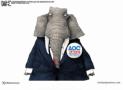
| With only a little over a week until Election Day, Democratic hopes that November 2 will bring something less than utter annihilation for the nation’s ruling class are looking increasingly delusional. At this point, a Republican takeover of the House of Representatives looks all but certain. In the Senate, the outcome is far more contingent on the vagaries of a handful of races, but it seems likely that the GOP will emerge with either the slimmest of majorities or within just a few seats of controlling the upper chamber. Regardless of which outcome results, the presence of a handful of moderate Democrats will give Republicans operational majorities on issues where public opinion is on their side.
Given the dissatisfaction of Tea Party conservatives and swing voters with the profligate ways of the last decade’s Republicans and the current crop of statist Democrats, the stakes couldn’t be higher for the new Congress. They will either have to launch a frontal assault on the untrammeled growth of government or watch as already enflamed voters consider abandoning the two-party system entirely. With the president’s veto pen looming, real progress will require tackling the most indefensible excesses of big government in an attempt to either shame the White House into surrender or force President Obama to defend the truly indefensible.
A few quick and immediate congressional initiatives that could accomplish this goal:
Repeal the Individual Mandate – No aspect of Obamacare has been subject to more extended criticism than the requirement that all Americans carry health insurance or face a hefty fine. Though conservatives have hitched their hopes for defeating the mandate on legal challenges from 20 states, congressional repeal would send a powerful message about public resistance to Obama’s sweeping vision for health care while showing that government can move at a speed faster than the judicial system. Fears that a legislative denuding would undermine the broader case against Obamacare are misguided – even without the individual mandate, the “reform” will still raise premiums, force Americans out of their private coverage, and swell federal spending. In the meantime, Americans can listen to the president – who opposed the mandate on the campaign trail in 2008 – explain why it is now sacrosanct.
Foreclose on Fannie Mae and Freddie Mac – No two institutions have been culpable for more human misery over the last several years than the government-backed mortgage guarantors whose sponsorship of risky loans has led to over $250 billion in bailouts from the American taxpayer. While liberals blame the financial collapse on everything from the Bush tax cuts to insufficient regulation, they remain oddly quiet on the Bonnie & Clyde of the meltdown. The new Congress should end that silence by rolling out a plan to get the government out of the mortgage business and restore a free market in housing.
End the Stimulus – With the stimulus bill having demonstrably failed to deliver on its promises of keeping unemployment under 8% (it currently stands at nearly 10%), taxpayers should be entitled to not throwing good money after bad. With well over $100 billion in stimulus money unspent, the spending should be canceled and applied to reducing the federal debt.
Stop the Tax and Spend Agenda by Embracing the Principles of CFIF’s “One More Vote” Campaign – Now that Americans are reeling under the weight of more than $13 trillion in federal debt, the need to get our fiscal house in order has never been more dire. 15 years ago, Congress came within one vote of passing a balanced budget amendment. They should take up that task again, this time including provisions that require 60% majority votes to raise taxes and increase the debt so that we can prioritize spending reductions as the remedy to our fiscal woes. Americans overwhelmingly say that controlling debt and excessive spending is one of their most important priorities. While President Obama has paid lip service to these fears, he should be forced to put or shut up by this muscular plan for reeling in federal spending.
|