




|
|
|





| Playing Politics with ObamaCare’s 2015 Insurance Premiums |
 |
|
By Ashton Ellis
Wednesday, November 05 2014 |
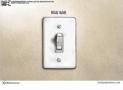
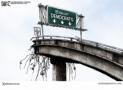
With the 2014 midterm elections now in the books, Americans will finally get information the Obama administration refused to reveal. For the last twenty years, it’s been standard practice in the health insurance industry to release insurance premium rates sixty days before they go into effect. Since policies begin January 1, insurance rates are released November 1. This gives policy holders sufficient time to decide whether they want to keep their existing plan or select a new one. As millions of Americans learned during last year’s enrollment period, shopping on an ObamaCare exchange can be a frustrating, time-consuming ordeal. The least regulators can do is give consumers the time necessary to persevere through the process. But the Obama administration had other priorities. Making ObamaCare’s 2015 insurance rates available on November 1 was too risky for Democrats running for office in an anti-ObamaCare environment. Across the country, voters have been inundated with campaign ads reminding them of all the ways the Democrats’ signature domestic policy achievement has made life harder for individuals, businesses and religious organizations. With all that baggage weighing the party down, the Obama administration feared releasing next year’s insurance rates just three days before the November 4 midterm elections would kill any chance Democrats had of holding onto the U.S. Senate. If the news was bad enough, it might even oust some House members in swing districts and hurt the party’s gubernatorial candidates. The fear was well-founded. For months after ObamaCare’s inaugural enrollment ended in April, there has been widespread speculation that the rates for 2015 would be significantly higher than in 2014. In fact, many experts predicted double-digit increases. Initial reports of lower-than-expected average insurer rate increases hardly mean the Obama administration dodged a bullet. Focusing on the industry average doesn’t tell us much about how individual plans are being priced. For example, many of the insurance companies that failed to enroll large numbers of ObamaCare customers cut their prices to attract more, while those that did net a significant portion raised their rates. So, in the real world, people who already have an insurance plan regulated by ObamaCare can most likely expect an increase, perhaps a large one. But even that doesn’t tell us the whole story. Insurance companies selling plans through Healthcare.gov – the federally owned and operated ObamaCare portal – and on most state ObamaCare exchanges have been under a gag order imposed by the Obama administration not to release their rates until after November 4. The only rates currently available for next year are from plans that have not been available before. From a comparison standpoint, the only information that matters is whether the renewal rate for a 2014 plan is higher, lower or the same in 2015. And that’s precisely the information the Obama administration refused to release until after the midterm elections. “In short, the administration is comparing different plans with different benefits between 2014 and 2015,” writes health insurance expert Bob Laszewski. “Those who want to keep the same plan might have big price increases.” For its part, the Obama White House is keeping up the charade that the post-election rate release is motivated by something other than politics. “That is not circled on the calendar of the experts at the Department of Health and Human Services who are working on this,” claimed White House spokesman Josh Earnest. Of course it is. No one seriously thinks that if HHS experts somehow had turned in all of the rate information ahead of schedule that the White House – or the HHS brass accountable to it – would have released it early so consumers could have more time to comparison shop. That’s because ObamaCare isn’t really about increasing health insurance choices or bringing more transparency to health care pricing. It’s about maintaining a narrative that Barack Obama and his political party are responsible for bringing affordable health insurance to the masses. Despite the facts, of course. |

Related Articles : |
