




|
|
|
















07 May 2026
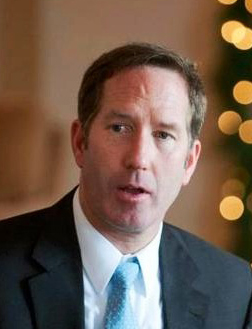
Timothy Lee, CFIF’s Senior Vice President of Legal and Public Affairs, discusses newly introduced legislation to shield America’s energy producers from relentless attacks in the form of state-led climate liability lawsuits and other lawsuits, which threaten to undermine American energy dominance.
0:00
0:00
Related Podcasts

04 June 2021
Katie Tubb, Senior Policy Analyst for the Thomas A. Roe Institute for Economic Policy Studies at The Heritage Foundation, discusses why it’s time for climate realism when it comes to China, President Biden’s hypocrisy on Keystone XL versus Nord Stream 2 pipelines, and actions the U.S. must take in the wake of the Colonial Pipeline crisis.

28 June 2019
Marlo Lewis, Jr., Senior Fellow at the Competitive Enterprise Institute, discusses climate change and a new paper detailing important but seldom discussed facts.
08 March 2019
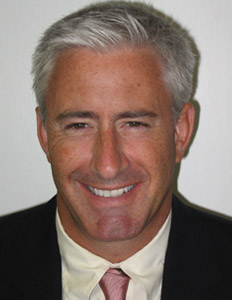
Christopher Horner, Senior Fellow at the Competitive Enterprise Institute, discusses environmental policy at the state level, the states' role in attorneys general-led climate crusades, and the Virginia legislature's efforts to thwart Michael Bloomberg's AG environmental attorney scheme.
14 December 2018
Timothy Lee, CFIF's Senior Vice President of Legal and Public Affairs, discusses the ongoing lawsuit involving AT&T-Time Warner's potential merger and how climate change alarmism needs to cool down.

30 November 2018
Craig Rucker, Executive Director, Co-Founder of the Committee For A Constructive Tomorrow (CFACT), discusses COP24, the UN conference on climate change.
02 November 2018
Timothy Lee, CFIF's Senior Vice President of Legal and Public Affairs, discusses a recent poll that shows a large majority of Americans self-censor their viewpoints and conceal their political activities, and why the IRS should not be permitted to collect sensitive private information on donors.
