




|
|
|










08 May 2014
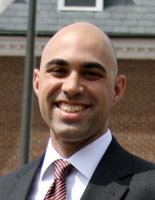
Allen Dickerson, Legal Director at the Center for Competitive Politics, discusses why the California Attorney General's demand for the list of supporters to a non-profit organization damages freedom of association, violates the clear terms of a federal tax law and ignores the Supremacy Clause of the United States Constitution.
0:00
0:00
Related Podcasts
23 July 2021
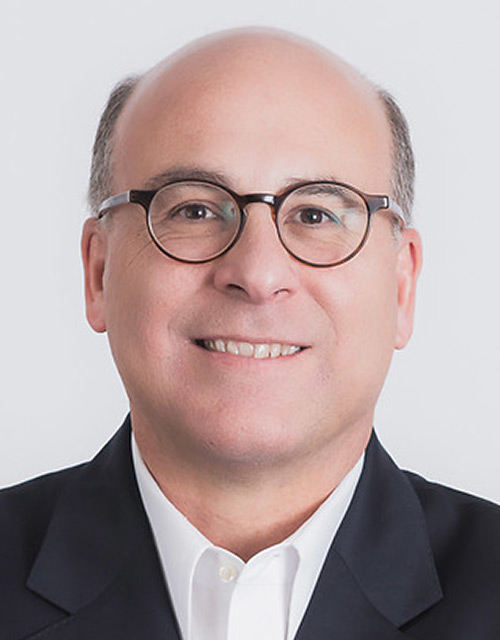
Lee Goodman, Partner in the Washington, D.C., law office of Wiley, discusses the U.S. Supreme Court's recent ruling regarding the facial challenge to California's compulsory disclosure requirement of the names and other personal information of donors to non-profit organizations, broad First Amendment protection applied in the case, and what the 6-3 decision may mean in other states with similar requirements.
25 June 2021
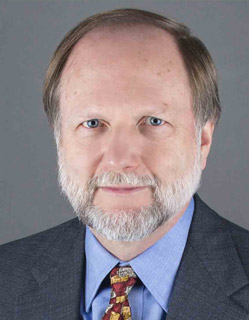
David Keating, President of the Institute for Free Speech, discusses how donor disclosure chills free speech, the recent IRS leaks of private taxpayer information, and Americans for Prosperity Foundation v. Rodriquez, the current donor privacy case before the U.S. Supreme Court.

05 June 2020
Bradley Smith, Founder and Chairman of the Institute for Free Speech and a former FEC Chairman, discusses the confirmation of a new FEC Commissioner and what it means for the Commission, why supporting the right to peaceful protest is important even during a pandemic, and the final donor privacy regulation recently released by the Treasury Department and Internal Revenue Service.
01 March 2018
Bradley A. Smith, Chairman and Founder of the Institute for Free Speech, discusses the Mueller indictments, campaign finance laws, and proposals to respond to foreign interference with broad-based restrictions on American online issue speech.

15 December 2017
Cleta Mitchell, Partner and Political Law Attorney in the Washington, DC office of Foley & Lardner LLP, discusses efforts to protect donor privacy and First Amendment freedoms of speech and association from government abuse by eliminating the 990 Schedule B form requirement for 501(c) organizations.
28 March 2014
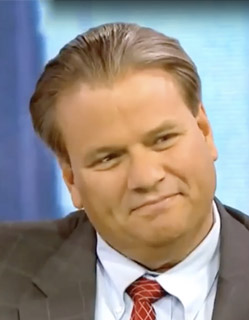
David Williams, President of the Taxpayers Protection Alliance, discusses the Federal Communications Commission's (FCC) attempt to require groups that comment on FCC issues to disclose their donors and why the proposed rules raise significant First Amendment and privacy concerns.
