




|
|
|












25 September 2015
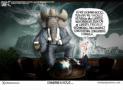
Ben Boychuk, CFIF's Contributing Editor, discusses how today's Republican Party resembles the Whig Party of 1850, why Donald Trump, Carly Fiorina and Ben Carson are popular candidates, and more.
0:00
0:00
Related Podcasts
05 December 2024
Ilya Shapiro, Senior Fellow and Director of Constitutional Studies at the Manhattan Institute, discusses the unprecedented but not unconstitutional idea of President-elect Trump nominating Supreme Court justices prior to a vacancy, the likelihood of an upcoming retirement of a current justice, the current caseload of the Court, and his new book, "Lawless: The Miseducation of America's Elites."

02 August 2024
Virginia Allen, Senior News Producer and Podcast Host at The Daily Signal, discusses the resignation of Secret Service Director Kimberly Cheatle, vulnerabilities exposed by the assassination attempt of former President Trump, and what the future of American politics may look like.
15 February 2024
William J. Conti, Attorney and Former Partner at Baker & Hostetler, discusses the recently released report from Special Counsel Robert Hur regarding President Biden, the politics of various legal trials involving former President Trump, the Super Bowl ad starring Robert F. Kennedy, Jr., and the potential political ramifications of all of the above.
17 August 2023
Timothy Lee, CFIF's Senior Vice President of Legal and Public Affairs, discusses the Congressional Budget Office's latest deficit report, and how the Biden Administration's war on energy production in the United States negatively affects America's geopolitical strength.

24 March 2023
Andrew Och, Author, Award Winning Television Producer, and the First Ladies Man, discusses some of the most influential women in history — America's First Ladies -- their impact on women’s rights, their legacies, and the unique role they played in the White House and beyond.

26 August 2022
Scott Blackburn, Research Director at the Institute for Free Speech, discusses a first-of-its-kind report that grades the freedom of citizens and advocacy groups in each state to speak about candidates, government and issues of public policy, which states performed poorly, and which states earned a respectable score.
