




|
|
|








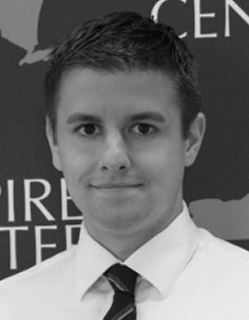
15 September 2016
Ken Girardin, Communications and Marketing Manager at the Empire Center for Public Policy, discusses New York Governor Cuomo's so-called Clean Energy Standard, how it will force electricity ratepayers to subsidize money-losing nuclear plants and costly windmills, solar panel farms, and why taxpayers outside of New York should be concerned as well.
0:00
0:00
Related Podcasts
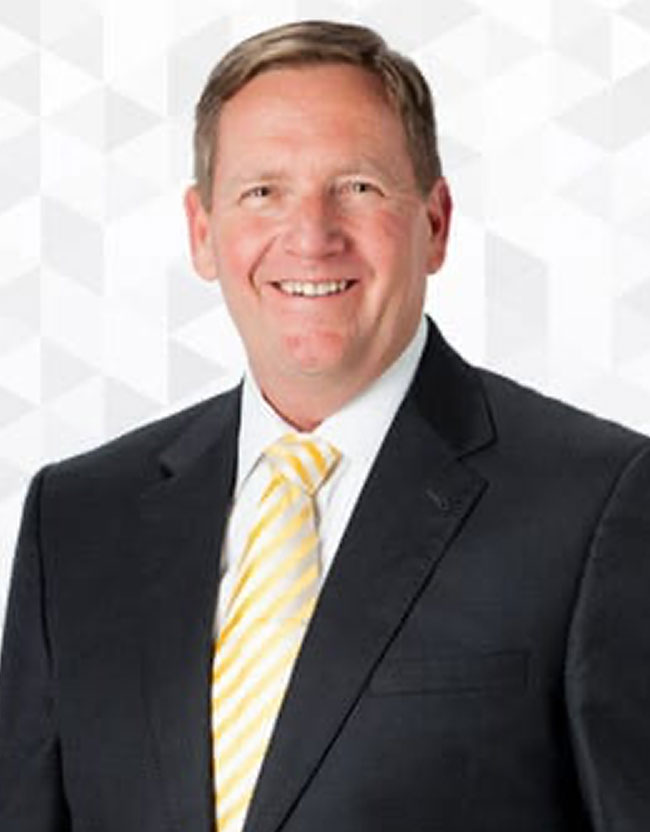
09 November 2023
Dr. Keith Smith, Healthcare Expert and Cofounder and Managing Partner of the Surgery Center of Oklahoma, discusses how Medicare's dual payment scheme jeopardizes patient health, how site-neutral reimbursement provides transparency and allows the free market to step in, and other insights and lessons learned when bureaucratic bloat is taken out of the equation.
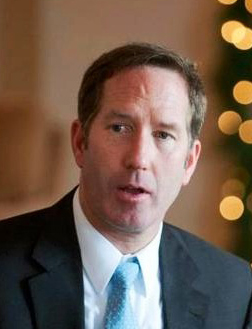
04 November 2022
Timothy Lee, Senior Vice President of Legal and Public Affairs at the Center for Individual Freedom, discusses the U.S. Court of Appeals for the Fifth Circuit's recent decision ruling the Consumer Financial Protection Bureau's (CFPB) funding scheme to be unconstitutional, why the payday lending rule violates the Constitution's separation of powers, and how Congress created the agency that has too much unaccountable power.
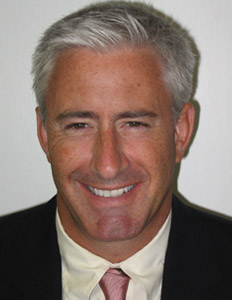
08 March 2019
Christopher Horner, Senior Fellow at the Competitive Enterprise Institute, discusses environmental policy at the state level, the states' role in attorneys general-led climate crusades, and the Virginia legislature's efforts to thwart Michael Bloomberg's AG environmental attorney scheme.

28 April 2017
Catherine Engelbrecht, Founder of True the Vote, discusses a recent US District Court ruling that requires the IRS to turn over evidence of viewpoint based targeting, which singled out conservative and Tea Party groups for adverse treatment by the IRS.
17 June 2016
Peter Roff, Contributing Editor at U.S. News & World Report, discusses why the Puerto Rico Oversight, Management, and Economic Stability Act (PROMESA) passed by the U.S. House and currently being considered in the Senate is a bad idea, how it gives a free pass to Puerto Rico's political leadership, and what other mechanisms exist for dealing with the Commonwealth's massive debt.
27 May 2016
Ike Brannon, Visiting Fellow at the Cato Institute and former U.S. Treasury Department official, discusses Congress's proposed legislative response to Puerto Rico's debt crisis and the dangerous political precedent it sets, including how the Obama Treasury Department and other supporters of PROMESA want it to be a model to bail out high-spending states and municipalities like Illinois and Chicago.
