




|
|
|














28 October 2016
Fred Campbell, Director of Tech Knowledge, Senior Policy Advisor with Wireless 20/20 and an Adjunct Professor at the Nebraska College of Law, discusses the real story behind the sex scandal at the FCC, why it should get Congress' attention and why taxpayers should care.
0:00
0:00
Related Podcasts
16 November 2023
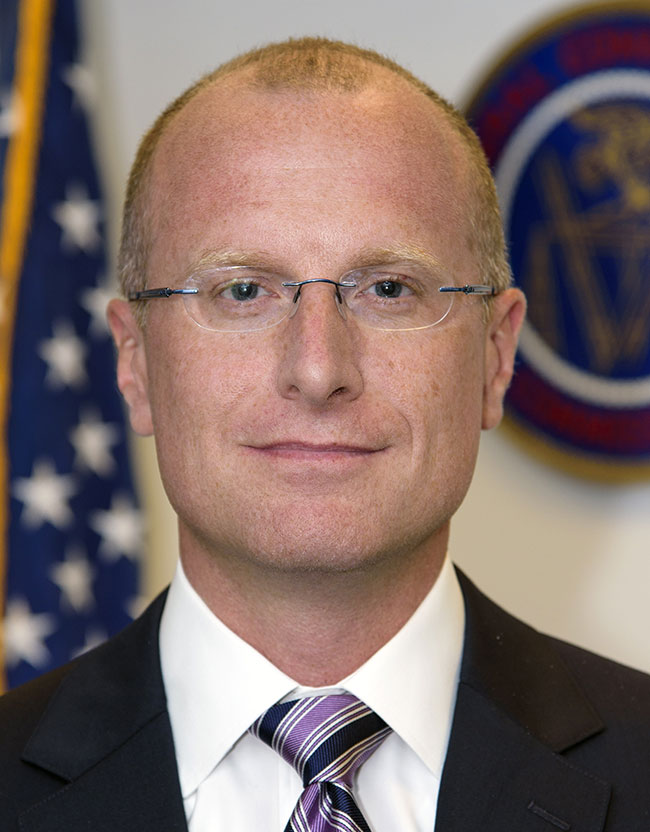
FCC Commissioner Brendan Carr discusses how the Commission's recently adopted rules relating to "digital equity" amount to an overreaching and unlawful power grab that gives the government effective regulatory control over all internet services and infrastructure.
27 October 2023
Timothy Lee, Senior Vice President of Legal and Public Affairs at the Center for Individual Freedom, discusses the Biden Administration's attempt to resurrect Title II, "Net Neutrality" internet regulation.

21 October 2016
Glenn Lammi, Chief Counsel of the Legal Studies Division for Washington Legal Foundation, discusses WLF's Eating Away Our Freedoms project, debate over the freedom to choose what we eat and drink, soda taxes, and more.

18 March 2016
Roslyn Layton, a Visiting Fellow at the American Enterprise Institute's Center for Internet, Communications, and Technology Policy, discusses the FCC's latest effort to regulate privacy, why it constitutes overreach by the agency, and how the privacy rules for Internet service providers will limit competition in the online advertising market.
26 February 2016
Seth Cooper, Senior Fellow at The Free State Foundation, discusses what is wrong with the Federal Communications Commission's proposed rule to "unlock set top boxes," how it is going to impact programming and why the government should not be allowed to pick winners and losers.
28 March 2014
David Williams, President of the Taxpayers Protection Alliance, discusses the Federal Communications Commission's (FCC) attempt to require groups that comment on FCC issues to disclose their donors and why the proposed rules raise significant First Amendment and privacy concerns.
