




|
|
|















30 November 2017
Jessica Melugin, Adjunct Fellow at the Competitive Enterprise Institute, discusses Federal Communications Commissioner Ajit Pai's plan to get rid of Obama-era utility-style internet regulations and what it would mean for consumers, investors and innovators.
0:00
0:00
Related Podcasts
30 September 2025
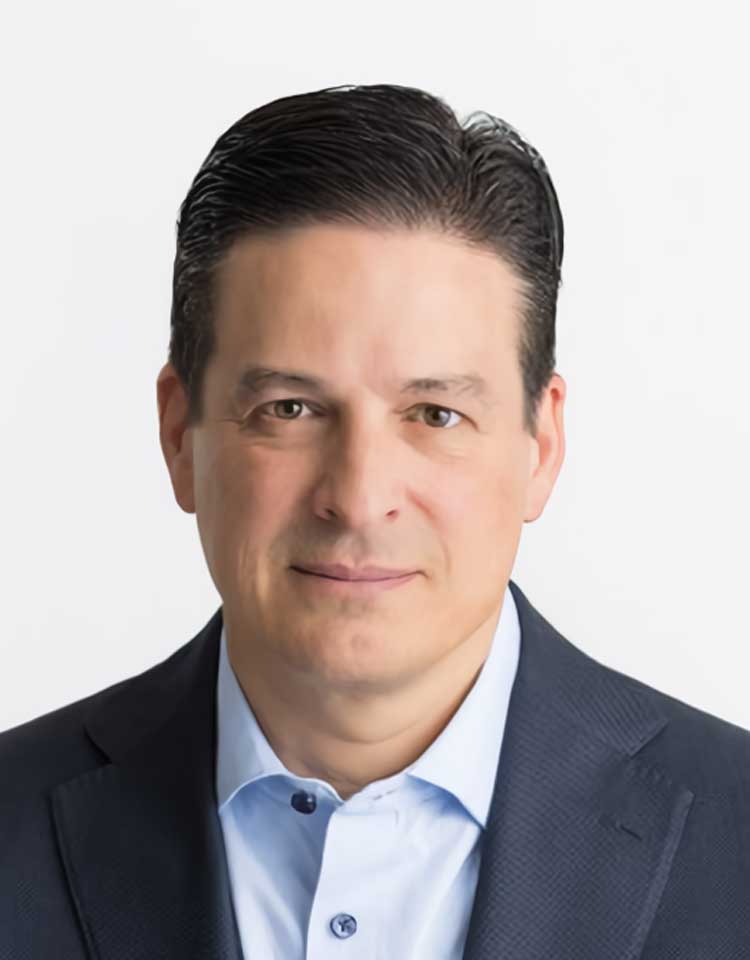
Paolo Carozza, Professor of Law at the University of Notre Dame and Co-Chair of the Oversight Board, discusses the independent Oversight Board’s role in providing rulings and recommendations on Meta’s platform postings, who comprises the board, how determinations are made, and the importance of transparency and platform accountability in the online digital space as they relate to free speech.
18 April 2024
Federal Communications Commission (FCC) Commissioner Brendan Carr discusses the FCC's upcoming vote on a rule that will subject the internet to crippling, utility-style regulatory powers under Title II of the Communications Act of 1934, the myths and facts surrounding "net neutrality," and how this massive expansion of government power over the internet is unnecessary at a time when Americans are experiencing lower prices, faster speeds, increased competition, and accelerated infrastructure build-outs.
12 April 2024
Timothy Lee, CFIF's Senior Vice President of Legal and Public Affairs, discusses the FCC's plan to reinstate crippling utility-style Title II regulations on the Internet, and how further expansion of government power over the Internet could result in less innovation, censorship, and higher costs for consumers.
08 December 2023
Tom Pyle, President of the Institute for Energy Research and the American Energy Alliance, discusses government regulation of energy markets, why freely functioning energy markets are critical to the well-being of individuals and society, and the important work that is being done by the Save Our Cars Coalition.
16 November 2023
FCC Commissioner Brendan Carr discusses how the Commission's recently adopted rules relating to "digital equity" amount to an overreaching and unlawful power grab that gives the government effective regulatory control over all internet services and infrastructure.

26 May 2017
Ryan Radia, Research Fellow and Regulatory Counsel at the Competitive Enterprise Institute, discusses why the FCC needs to free the internet from Title II regulatory control and why FCC Chairman Ajit Pai's proposal to reverse Obama’s Title II takeover will be better for pricing and innovation.
