




|
|
|








22 June 2018
Richard Sander, Nationally-acclaimed UCLA Law Professor and Economist, discusses his contention that the Fair Housing Act was successful in promoting racial integration in many cities, how housing segregation is the most significant factor driving racial inequality, and his latest book, Moving Toward Integration.
0:00
0:00
Related Podcasts

12 August 2025
Michael O’Neill, Vice President of Legal Affairs at the Landmark Legal Foundation, discusses the precedent and legal authority for President Trump’s initiative to restore safety in our nation’s capital city by temporarily asserting federal control over the Washington, DC police department, and what steps Congress should take next to reverse the slow degradation of the quality of life in DC.

16 May 2025
William J. Conti, an attorney from Washington, DC, discusses the size and complexity of the “Big Beautiful Bill” that addresses tax policy, energy policy and immigration, and the economic potential impact of passing the REINS Act.

26 August 2022
Scott Blackburn, Research Director at the Institute for Free Speech, discusses a first-of-its-kind report that grades the freedom of citizens and advocacy groups in each state to speak about candidates, government and issues of public policy, which states performed poorly, and which states earned a respectable score.
01 March 2022
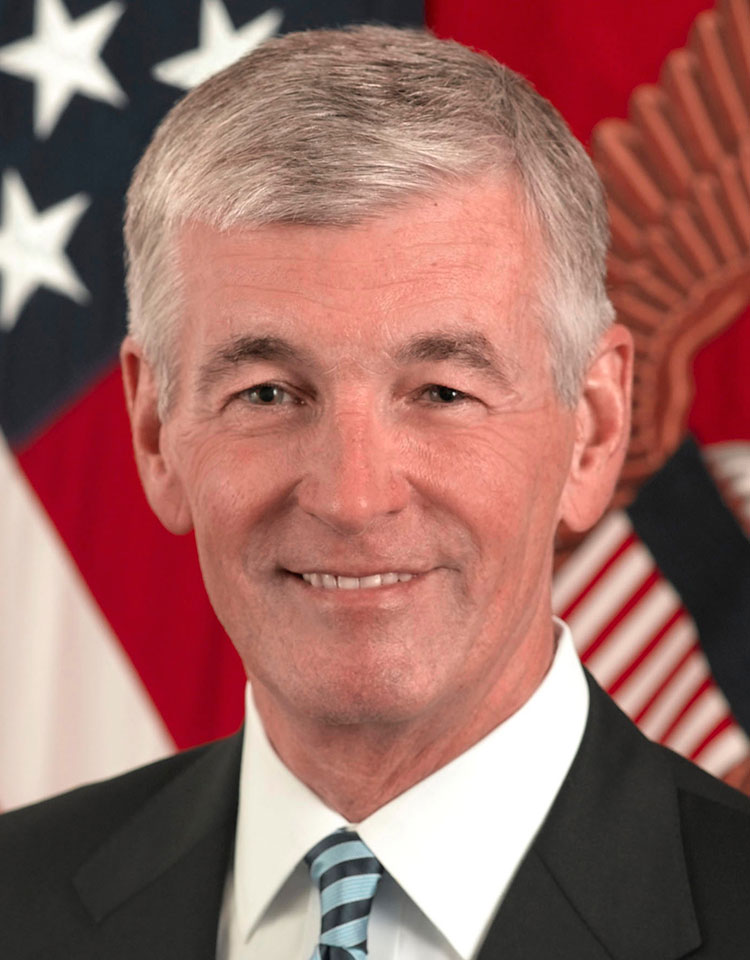
The Honorable John McHugh, Former Secretary of the U.S. Army, Former Member of the U.S. House of Representatives, and current Chairman of the Package Coalition, discusses the Postal Service Reform Act and how it will save taxpayer money while strengthening the U.S. Postal Service.

05 December 2019
Ross Marchand, Director of Policy for the Taxpayers Protection Alliance, discusses the recently unveiled "Green Act," which would expand from 200,000 to 600,000 the per-manufacturer cap on tax credits for Electric Vehicle producers, and why this failed "green tax credit" should be phased out.

06 September 2019
Phil Kerpen, President of American Commitment, discusses why President Trump should grant Puerto Rico's request for a waiver from the Jones Act, a World War I era law that requires movement of goods by water between points in the United States only by means of vessels that are U.S.-built, U.S.-owned and U.S.-crewed, and the impact such a waiver could have on Puerto Rico's struggling economy.
