




|
|
|

















26 October 2018
Dr. William Lehr, Economist, Industry Consultant, and Research Associate at MIT, discusses how mobile network operators are transforming their networks to meet the 5G challenge and why the proposed merger between T-Mobile and Sprint should be regarded as pro-competitive and good for consumers.
0:00
0:00
Related Podcasts

13 August 2026
Evan Swarztrauber, Senior Fellow at the Digital Progress Institute and Host of "The Center Edge” podcast, discusses how disputes over utility pole attachments are burdening broadband deployment under the Broadband Equity, Access, and Deployment (BEAD) Program, why Congress and the FCC need to take a more active role on issues related to pole attachment cost-sharing and timelines, and what all of it means from a safety standpoint.

21 March 2025
Jaimie Cavanaugh, Legal Policy Counsel at the Pacific Legal Foundation, discusses what states can do to create more competition and drive down the rising cost of healthcare, how Certificate of Need (CON) laws impede access to care and block competition while limiting consumer choice and stifling innovation, and what state legislators can and should do to reform and repeal these antiquated laws.

02 August 2024
Virginia Allen, Senior News Producer and Podcast Host at The Daily Signal, discusses the resignation of Secret Service Director Kimberly Cheatle, vulnerabilities exposed by the assassination attempt of former President Trump, and what the future of American politics may look like.

27 July 2023
Sally Pipes, President and CEO of the Pacific Research Institute, discusses failed government efforts to control healthcare spending through antiquated and anti-free market Certificate-of-Need (CON) laws, how abolishing state CON laws will increase access to care, particularly in rural communities, and how misguided regulations are contributing to the shortage of healthcare professionals.

21 April 2023
Dean Clancy, Paragon Health Institute Public Advisor, discusses how Medicare’s trust fund is on a fast track to insolvency, why President Biden’s “Mediscare” message and solutions are disingenuous and flawed, how the personal option and flexible HSAs can modernize healthcare benefits, and more.
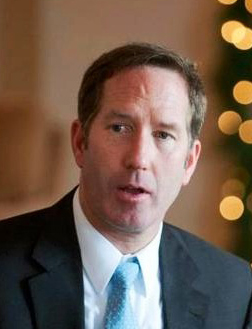
14 October 2021
Timothy Lee, CFIF's Senior Vice President for Legal and Public Affairs, discusses the outrageous push by President Biden and some in Congress to subsidize government-owned broadband networks, and a look at how inflation is outpacing American workers’ paycheck gains.
