




|
|
|











Load Newer Podcasts





17 May 2013
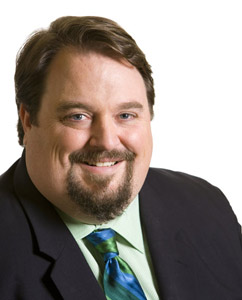
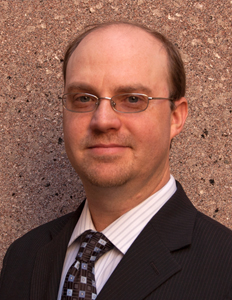
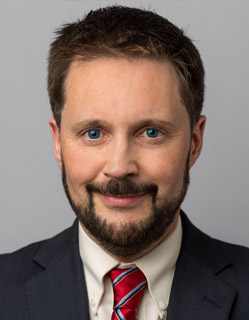
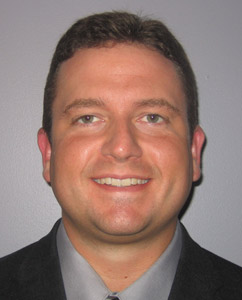
Dr. David Muhlhausen, Research Fellow in Empirical Policy Analysis at The Heritage Foundation's Center for Data Analysis, discusses government waste and ineffective social programs, and how spending on social programs has far outpaced population growth.
10 May 2013
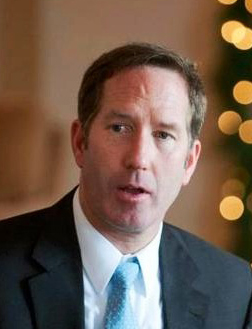
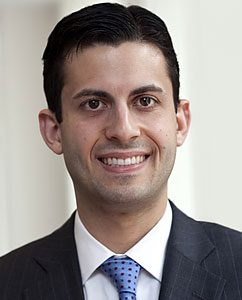
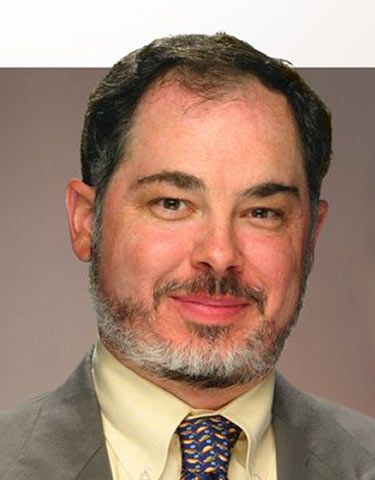
Dennis Lynch, Founder and CEO of TV360 Media, discusses his latest documentary, They Come to America II: The Cost of Amnesty, and expresses grave concerns about the immigration amnesty bill currently under consideration with respect to border security, mass unemployment and America's vulnerability to another attack.
10 May 2013
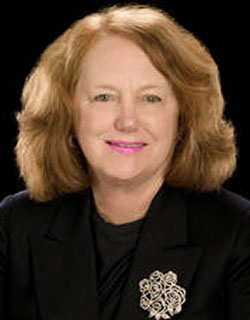
CFIF Senior Vice President Timothy Lee discusses current events, domestic and international, with a focus on how they may affect American's pocket books, rights and security.
02 May 2013
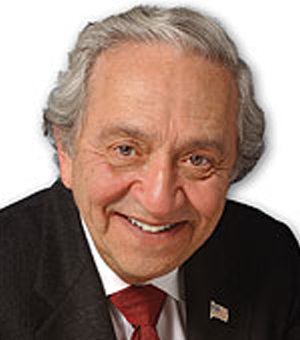
Phil Kerpen, president of American Commitment, discusses a bombshell report that reveals several instances of federal tax dollars illegally funding lobbying activities for tax hikes and anti-obesity measures.
24 April 2013
Matt Patterson, Senior Fellow for Economic Freedom at the Competitive Enterprise Institute (CEI), discusses right-to-work laws, how the UAW has set its sights on Southern automakers, and CEI's new video project highlighting the negative effects of labor unions.
24 April 2013
Charlotte Hays, Director of Cultural Programs for the Independent Women's Forum (IWF), discusses the latest in a recent onslaught of advice to women on how to make it to the top and the upcoming seminar, "The Lean In Debate," hosted by IWF in Washington, D.C.
19 April 2013
Alex Nowrasteh, Immigration Policy Analyst at Cato Institute's Center for Global Liberty and Prosperity, discusses the immigration debate, guest workers and the need to secure the borders.
19 April 2013
Sally Pipes, president, CEO and Taube Fellow in Health Care Studies at the Pacific Research Institute, discusses how ObamaCare is prompting doctors to make plans to retire early or depart from the current system of third-party payment, and what that means for patients.
10 April 2013
Bruce Herschensohn, author, foreign policy expert, Pepperdine University School of Public Policy senior fellow and member of CFIF's Board of Directors, discusses North Korea and the responses from the United States and China, the continued crisis in the Middle East and the legacy of former British Prime Minister Margaret Thatcher.
10 April 2013
Pete Sepp, Executive Vice President of the National Taxpayers Union, discusses Social Security, President Obama's 2013 Budget proposal and the need for tax reform.
05 April 2013
Quin Hillyer, CFIF Senior Fellow and Senior Editor of The American Spectator, discusses why President Obama's nomination of Thomas Perez to be Secretary of Labor must be blocked.
05 April 2013
New York Times best-selling author Joel Rosenberg discusses President Obama's recent trip to Israel and Jordan, Iran's nuclear threat, the danger of Syria's impending implosion and his latest novel, "Damascus Countdown."
29 March 2013
Luca Gattoni-Celli, editorial intern and reporter at The American Spectator, discusses how the White House's gun control agenda misses the mark.
22 March 2013
Megan L. Brown, a partner at Wiley Rein LLP in Washington, D.C., discusses President Obama's Executive Order on cyber-security and a general overview of cases decided and yet to be decided by the U.S. Supreme Court this term.
15 March 2013
Tad DeHaven, budget analyst for the Cato Institute, discusses why the sequestration cuts could actually be good for the economy.
Scroll to load more
