




|
|
|












Load Newer Podcasts










18 April 2012
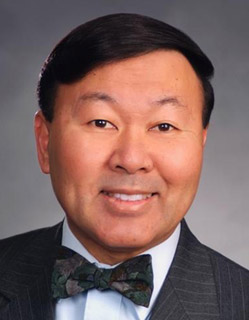
University of Chicago Law Professor Richard Epstein discusses what is wrong with the progressive vision of excessive taxation and entitlement programs and his Encounter Book Broadside, "Why Progressive Institutions are Unsustainable."
12 April 2012
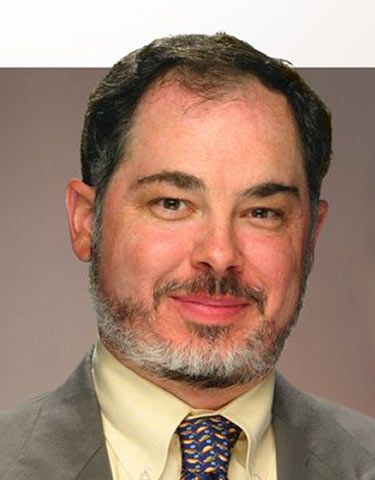
Lance Izumi, senior fellow and director of education studies at the Pacific Research Institute, discusses his Encounter Broadside, "Obama's Education Takeover," and how President Obama is leading a massive federal power grab that is disempowering local communities and parents by centralizing education policy in Washington.
06 April 2012
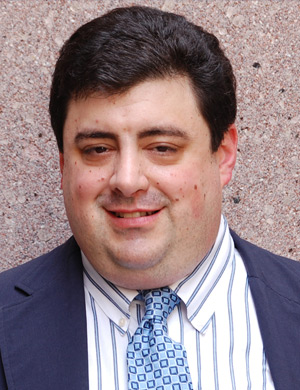
Trey Kovacs, policy analyst at the Competitive Enterprise Institute, discusses the dangers of the National Labor Relations Board's attempt to impose an "ambush election" rule on private-sector workplaces and why a legislative attempt to raise the tipped minimum wage does more harm than good.
30 March 2012
CFIF Senior Fellow Quin Hillyer discusses how the Obama Administration's anti-oil industry policies and practices are driving up gas prices and threatening American energy companies.
23 March 2012
Just days away from the U.S. Supreme Court oral arguments in the seminal ObamaCare case, Townhall.com Political Editor Guy Benson discusses recent polls showing the depth of American opposition to the legislation and alternatives that should be considered.
16 March 2012
Sarah Torre, research assistant in the DeVos Center for Religion and Civil Society at The Heritage Foundation, discusses the upcoming oral arguments before the Supreme Court in the ObamaCare case and highlights excerpts from Heritage's videos which argue that ObamaCare's anti-conscience mandate tramples religious liberty..
09 March 2012
Phil Kerpen, Vice President for Policy at Americans for Prosperity, discusses his latest book, Democracy Denied: How Obama is Ignoring You and Bypassing Congress to Radically Transform America -- and How to Stop Him, about how the Obama Administration is disregarding the restraints on federal power to impose the president's agenda.
02 March 2012
John Berlau, director of the Center for Investors and Entrepreneurs at the Competitive Enterprise Institute, discusses his recent testimony at a hearing entitled 'Where the Jobs Are' before House Subcommittee on Commerce, Manufacturing and Trade, and how Congress can eliminate barriers to job growth by reducing regulations that harm young firms.
24 February 2012
Vincent Vernuccio, Labor Policy Counsel at the Competitive Enterprise Institute, discusses Indiana's passage of a right-to-work law that prohibits labor contracts that force workers to pay for union representation, and the impact of such statutes on jobs and the economy.
17 February 2012
James Pinkerton, co-chair of RATE (Reforming America's Taxes Equitably), Fox News contributor and former White House domestic policy adviser, discusses the need to lower the U.S. corporate tax rate to enable American companies to compete in the global marketplace. Mr. Pinkerton makes the case that a lower corporate tax rate would jumpstart U.S. economic and job growth and benefit American workers, consumers and small businesses.
10 February 2012
Congressman Paul Broun, M.D. (R-GA) discusses legislation he recently introduced in the U.S. House of Representatives - H.R. 3883, the Budget or Bust Act - that would help force Congress to pass an annual budget by withholding Members' salaries hostage in an escrow account until a budget is passed.
03 February 2012
CFIF Contributing Editor Ashton Ellis discusses how President Obama's decision to block the construction of the Keystone XL Pipeline will cost Americans roughly 20,000 new jobs and 700,000 barrels of oil a day, and how the decision ultimately could benefit China at the expense of the U.S.
27 January 2012
Political commentator and author Margaret Hoover discusses her book, American Individualism: How a New Generation of Conservatives Can Save the Republican Party, and how the GOP can win back the millennials.
19 January 2012
Timothy Lee, Vice President of Legal and Public Affairs at CFIF, corrects the record on the Stop Online Piracy Act (SOPA) and Protect IP Act (PIPA), and explains the urgent need for congressional legislation to crack down on foreign rogue websites dedicated to the theft of American intellectual property.
13 January 2012
Fox News contributor Cherylyn Harley LeBon, a member of the national advisory council of the Project 21 black leadership network and president and CEO of KLAR Strategies, discusses President Obama's constitutionally suspect decision to make "recess" appointments to the Consumer Financial Protection Bureau and National Labor Relations Board when the Senate was in pro forma session.
Scroll to load more
