




|
|
|
















Load Newer Podcasts








14 May 2021
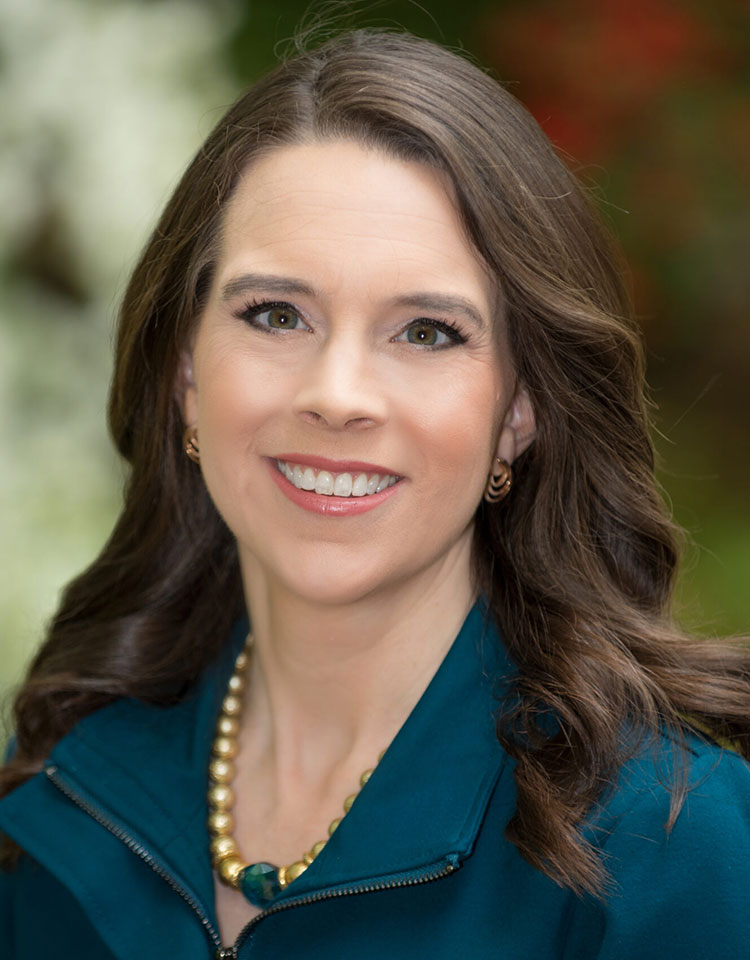
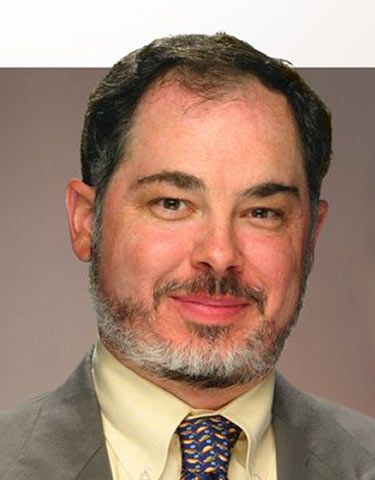
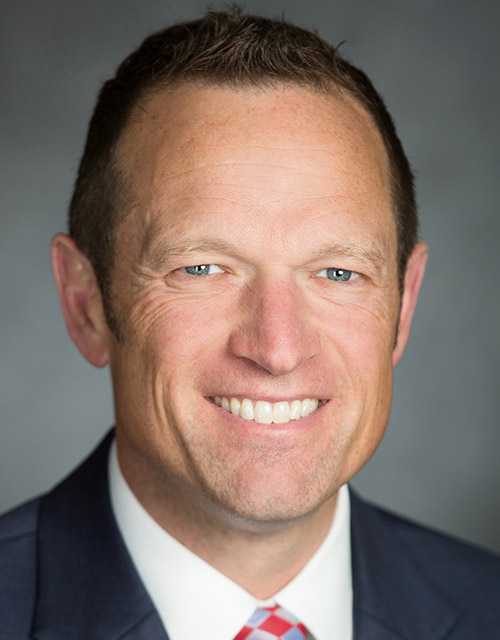
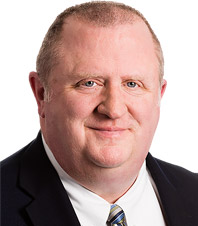
Sally Pipes, President, CEO and Thomas W. Smith Fellow in Healthcare Policy at the Pacific Research Institute, discusses Senator Bernie Sanders' proposal to lower the Medicare eligibility age, the problems with government-sponsored healthcare plans and the various public options and subsidies being considered by some states, and the negative impact on innovation of prescription drug price controls.
07 May 2021
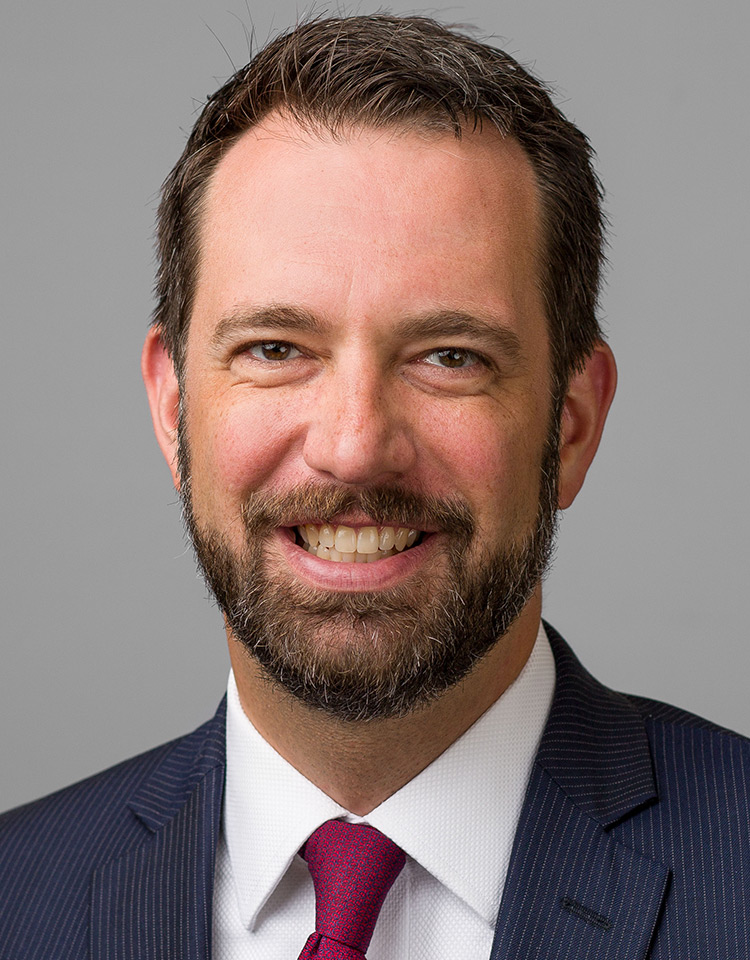
Jonathan Butcher, the Will Skillman Fellow in Education at The Heritage Foundation, discusses the stark contrast in school re-openings where union strongholds do and don't exist, and how school choice could play a bigger role in giving options to families held hostage by political partisanship rather than scientific evidence.
30 April 2021
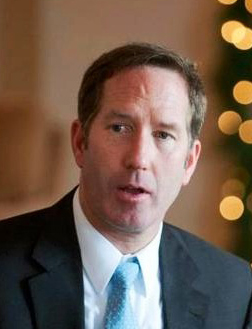
Timothy Lee, CFIF's Senior Vice President of Legal and Public Affairs, discusses President Biden’s $100 billion broadband spending proposal, why it would undermine private broadband investment, and how history teaches us that government-sponsored broadband doesn't work, costing American taxpayers.
23 April 2021
William J. Conti, a partner in the Washington, DC, office of Baker & Hostetler, discusses National Collegiate Athletic Association v. Alston, a case before the U.S. Supreme Court to determine whether the NCAA's limits on compensation for student athletes violate the nation's antitrust laws, and why abolishing the Senate filibuster would be shortsighted.
16 April 2021
Carrie Severino, President of the Judicial Crisis Network and co-author of "Justice on Trial: The Kavanaugh Confirmation and the Future of the Supreme Court," discusses the 36-member commission recently created by President Biden to analyze whether to expand the size of the U.S. Supreme Court and impose term limits, a history of previous efforts to "pack the court," and how some justices, including the late Justice Ginsburg and current Justice Breyer, have spoken out against the idea.
09 April 2021
Chris Kieser, an Attorney with the Pacific Legal Foundation, discusses, among other issues, property rights and a case recently argued before the U.S. Supreme Court in which farmers ask the Court to restore the right to turn away union organizers who storm their property.
26 March 2021
Brandon Arnold, Executive Vice President of National Taxpayers Union, discusses misguided Congressional proposals to ban short-selling and impose a financial transaction tax on American savers and investors, and lessons to be learned by looking overseas.
19 March 2021
Quin Hillyer, Author, Historian, and Senior Commentary Writer & Editor for the Washington Examiner, shares details of his conversation with John Barry of the Tulane School of Public Health & Tropical Medicine regarding the one-year anniversary of COVID quarantines, lockdowns and masks, and discusses President Biden’s first 50 days in office, and how freedom is in retreat in the United States.
12 March 2021
Amity Shlaes, Author, Economic Historian, and Co-Editor of a New Edition of the "Autobiography of Calvin Coolidge," discusses the economic history of crises, why presidents should avoid "great," and her latest books.
05 March 2021
Andrew Och, Award Winning Television Producer and Author of "Unusual for their Time: On the Road with America's First Ladies," discusses Dr. Jill Biden’s transition from second lady to first lady, on-the-job training for a first lady, and the role of America’s first second gentleman.
26 February 2021
The Honorable Jason Isaac, Director of Life: Powered at the Texas Public Policy Foundation and a former Texas State Representative, discusses the widespread power outages in Texas, the public policy mistakes made in trading green energy for reliability, and Governor Abbott’s investigation of ERCOT.
19 February 2021
William Conti, a partner in the Washington, DC, Office of Baker & Hostetler, discusses the scandal involving Andrew Cuomo and nursing homes, President Joe Biden's efforts at unity and reaching across the aisle, the names already being thrown around for 2024, and more.
12 February 2021
Jude Schwalbach, Research Associate and Project Coordinator at The Heritage Foundation’s Center for Education Policy, discusses the importance of free speech to democracy, how we can return civil discourse to higher education, and the problem with "free speech zones" on college campuses.
05 February 2021
Thomas Jipping, Deputy Director of the Edwin Meese III Center for Legal and Judicial Studies and Senior Legal Fellow at The Heritage Foundation, discusses U.S. history regarding efforts at court packing, how the push to "reform" the courts, including President Biden's creation of a commission, only will politicize them and why court packing puts two branches of government at risk.
29 January 2021
Timothy Lee, CFIF's Senior Vice President of Legal and Public Affairs, discusses legal precedent surrounding First Amendment protection for freedom of speech, association and petitioning the government, wrongful efforts in Congress to pursue anti-First Amendment legislation regarding mandatory "donor disclosure" laws, and the U.S. Supreme Court's grant of review in two First Amendment donor privacy cases out of California.
Scroll to load more
