




|
|
|
















Load Newer Podcasts










27 April 2023
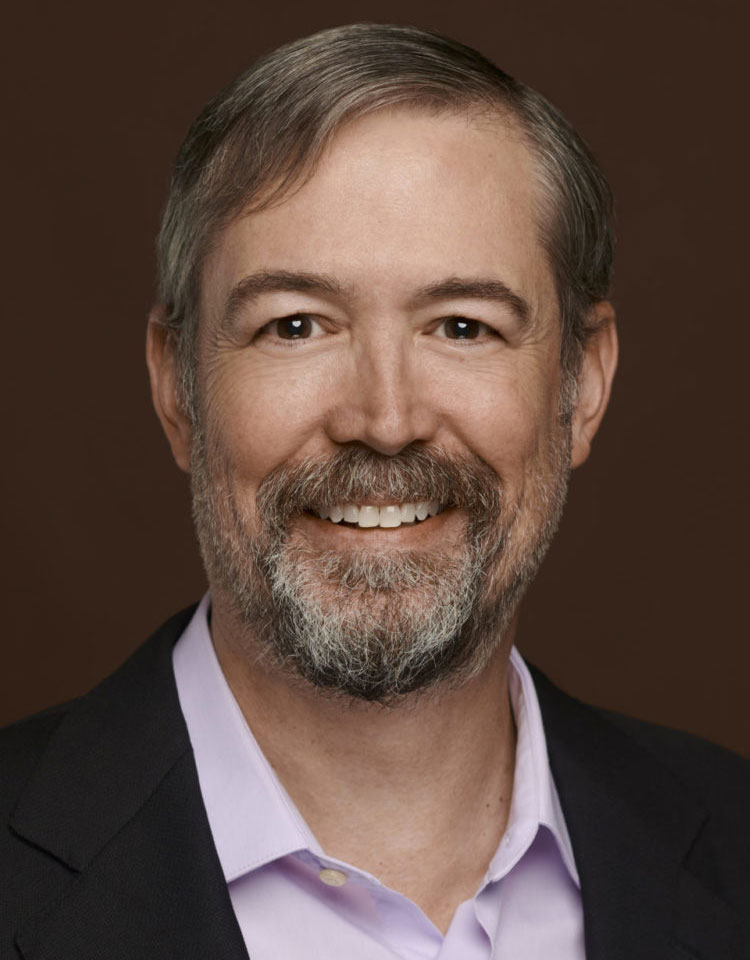
Karen Kerrigan, President and CEO of the Small Business & Entrepreneurship Council, discusses World IP Day and this year’s global theme, “Women in IP: Accelerating Innovation and Creativity,” and Julie Su, President Biden's troubling nominee to be Secretary of U.S. Department of Labor.
21 April 2023
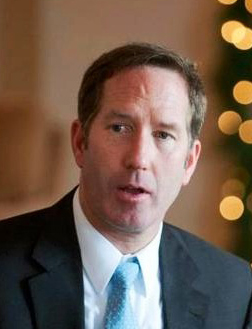
Dean Clancy, Paragon Health Institute Public Advisor, discusses how Medicare’s trust fund is on a fast track to insolvency, why President Biden’s “Mediscare” message and solutions are disingenuous and flawed, how the personal option and flexible HSAs can modernize healthcare benefits, and more.
14 April 2023
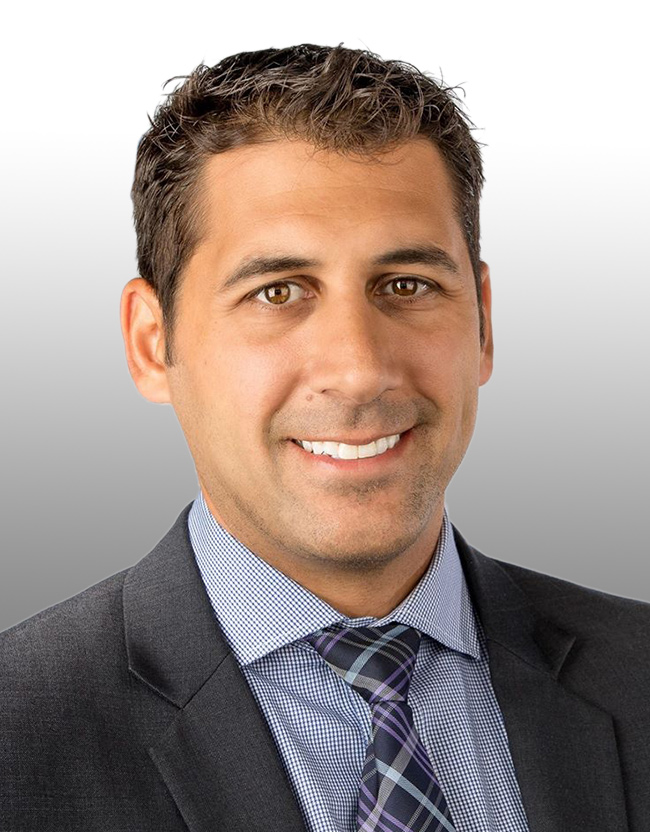
Bryan Bashur, Federal Affairs Manager of the Americans for Tax Reform, discusses the collapse of Silicon Valley Bank and Signature Bank, why lawmakers should reject any legislative or regulatory actions to increase or expand federal deposit insurance on a temporary or permanent basis, and why increasing or expanding deposit insurance would present a moral hazard, propagate a cycle of riskier behavior, and could force banks to be more reliant on the federal government.
30 March 2023
Timothy Lee, CFIF's Senior Vice President of Legal and Public Affairs, discusses the recent nomination of Julie Su to be Secretary of Labor, why elevating the current acting head to the Secretary position is a bad idea, and how Su's track record as the Secretary of California's Labor & Workforce Development Agency raises concerns about importing California’s failed policies to the rest of the nation.
24 March 2023
Andrew Och, Author, Award Winning Television Producer, and the First Ladies Man, discusses some of the most influential women in history — America's First Ladies -- their impact on women’s rights, their legacies, and the unique role they played in the White House and beyond.
17 March 2023
Joel Griffith, Research Fellow at the Thomas A. Roe Institute for Economic Policy Studies at The Heritage Foundation, discusses the 2023 Index of Economic Freedom, the metrics used to determine how free economies are across the world, and why the United States continues to slip in the rankings.
09 March 2023
Quin Hillyer, Writer and Editor, discusses why the IRS should be assessed penalties for failing to meet a deadline to submit a plan on how it will allocate the $80 billion in funds provided in the Inflation Reduction Act, American support for Ukraine, and what Republican Senator Tim Scott's speech in Iowa may mean for 2024.
03 March 2023
Sally Pipes, President, CEO and Thomas W. Smith Fellow in Health Care Policy at the Pacific Research Institute, discusses why Senator Bernie Sanders is wrong about the cost of health care insurance's financial burden, options for expanded coverage that Congress should consider, and why government-run health insurance is not an option.
23 February 2023
William J. Conti, Former Partner in the Washington, DC, Office of Baker & Hostetler, discusses how the presidential race for 2024 is already in full swing, offers predictions and commentary on the frontrunners, and opines on what a recession in 2023 and a recovery in 2024 may mean for President Biden’s approval ratings and 2024 presidential chance.
16 February 2023
John Shelton, Policy Advisor at Advancing American Freedom, discusses the fiduciary duties of investment fund managers, why Environmental, Social, and Governance (ESG) investing is inappropriate and often financially irresponsible, and the legislative efforts underway to protect Americans' savings.
10 February 2023
Wayne Crews, Fred L. Smith Fellow in Regulatory Studies at the Competitive Enterprise Institute, discusses President Biden's push for more federal spending, regulation, and dependency, and the need to reduce the federal regulatory state.
02 February 2023
Timothy Lee, Senior Vice President of Legal and Public Affairs, discusses the Federal Trade Commission's ill-advised push to ban noncompete clauses.
27 January 2023
Phil Kerpen, President of American Commitment, discusses America's national debt, the need to reduce out-of-control government spending, and why Congress needs to act sooner rather than later.
19 January 2023
Ron Shultis, Director of Policy and Research for the Beacon Center of Tennessee and Beacon Impact, discusses the history of Certificate of Need (CON) laws, the chilling effect they have on healthcare access and expansion, and the positive impact eliminating CON laws would have in Tennessee and other states that still have CON laws on their books.
12 January 2023
Quin Hillyer, Writer, Editor and Nationally Recognized Authority on the American Political Process, discusses who might be the most fascinating U.S. politicians in 2023 and how those individuals may impact the 2024 elections.
Scroll to load more
