




|
|
|













Load Newer Podcasts









08 August 2024
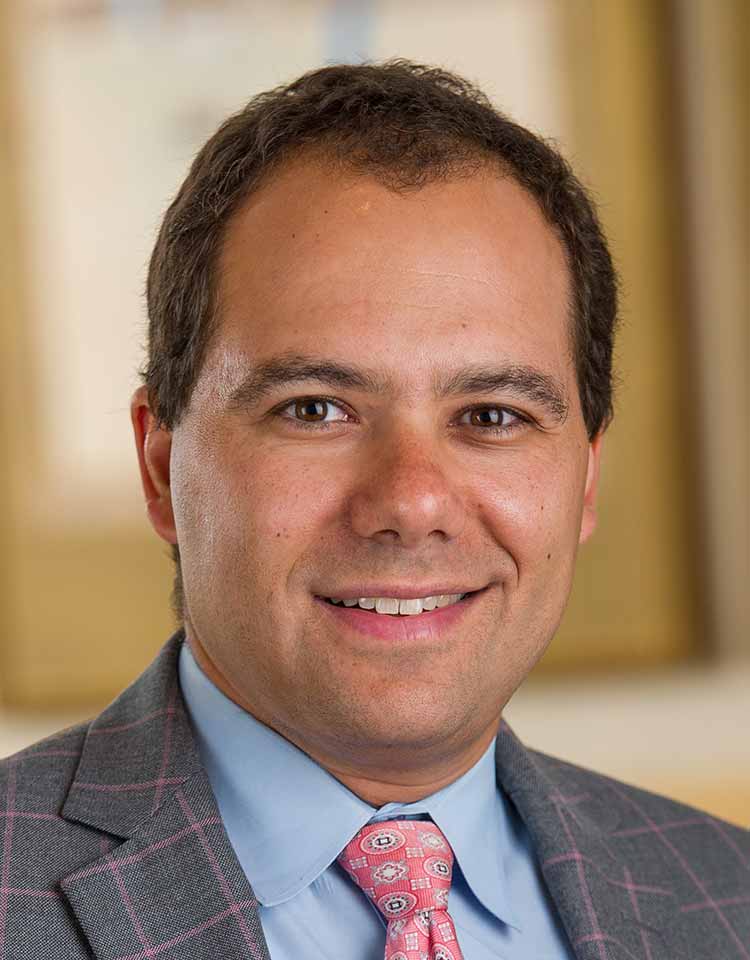
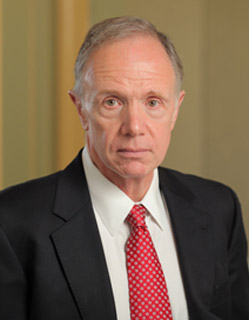
Phil Kerpen, President of American Commitment, discusses Vice President Kamala Harris's selection of Minnesota Governor Tim Walz to be her running mate, and what the political landscape may look like following the election as it relates to federal regulatory powers.
02 August 2024
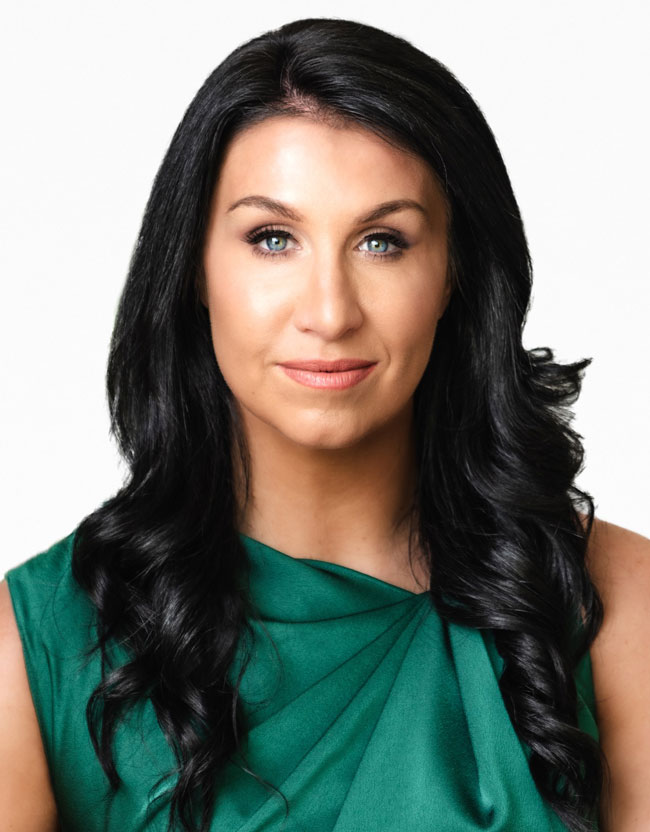
Virginia Allen, Senior News Producer and Podcast Host at The Daily Signal, discusses the resignation of Secret Service Director Kimberly Cheatle, vulnerabilities exposed by the assassination attempt of former President Trump, and what the future of American politics may look like.
24 July 2024
Jarrett Stepman, Columnist with the Daily Signal, discusses President Biden's replacement as the Democrats' presidential candidate, how the process will work at the convention, and the factors that came into play for President Biden to withdraw from the race.
12 July 2024
Ilya Shapiro, Senior Fellow and Director of Constitutional Studies at the Manhattan Institute, discusses some of the seminal cases decided late in the U.S. Supreme Court's term, including the decision that rollbacks the Chevron doctrine and constitutes a massive blow to the power of federal agencies, and how the Court drew the line regarding presidential immunity in another decision.
12 July 2024
William J. Conti, an attorney from Washington, DC, discusses what would happen if President Biden stepped aside in the 2024 election, whether there is enough time for a new candidate to make a solid run, how the issue of President Biden's health has fractured the Democratic Party, and whether the 25th Amendment to the U.S. Constitution should come into play.
28 June 2024
Lauren Stewart, Senior Federal Legislative Liaison at Americans for Prosperity and Concerned Veterans for America, discusses how President Biden is attempting to rewrite his record on healthcare, how his policies have resulted in limited access and increased costs for Americans, and how a personal option healthcare plan can provide more choices and more solutions.
28 June 2024
Sally Pipes, President and CEO of Pacific Research Institute, discusses how President Biden's price controls will result in prescription drug shortages and discourage innovation, how government mandates and regulations raise insurance costs, and the grim prognosis on Medicare and Medicaid's viability.
14 June 2024
Timothy Lee, CFIF’s Senior Vice President of Legal and Public Affairs, discusses the current state of the U.S. economy and recent survey data on how Americans are doing financially under the Biden administration, and brings truth to some false statements being peddled by the media on issues related to the economy.
31 May 2024
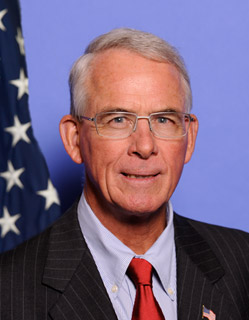
Francis Rooney, former U.S. Ambassador to the Holy See and former Member of the U.S. House of Representatives, discusses the Russia-Ukraine war, Russian President Putin's goal to restore the Iron Curtain, what the death of the leader of Iran may mean for the ongoing conflict between Israel and Hamas, and the role diplomacy should play in conflict mediation.
31 May 2024
Karen Kerrigan, President and CEO of the Small Business and Entrepreneurship Council, discusses the Federal Trade Commission's recent ban on the use of non-compete agreements, the slippery slope of such regulatory overreach, lawsuits challenging the rule, and the recent report issued by the U.S. House Committee on Small Business that highlights the significant costs to small businesses and the potential serious risk of loss and closures as a result of the new rule.
31 May 2024
Phil Kerpen, President and Founder of American Commitment, discusses the Biden administration's electric vehicle mandate, what it may mean for Americans looking to purchase gas powered vehicles in the future, and what EV subsidies have really cost us.
27 May 2024
Rachel Greszler, Senior Research Fellow in the Roe Institute at The Heritage Foundation, discusses the grim picture painted in the Social Security Trustees' 2024 Report, the history of the Social Security program, what happens when Social Security runs out of money, and commonsense Social Security reforms.
17 May 2024
Tzvi Kahn, Research Fellow and Senior Editor at the Foundation for Defense of Democracies, discusses the increasingly dangerous likelihood of full-blown conflict between Israel and Iran, how the election season may be affecting policy, and why the Biden Administration must take seriously Iran's warnings that it will change nuclear doctrine if its existence is threatened.
09 May 2024
Jonathan Butcher, the Will Skillman Senior Research Fellow in Education Policy at The Heritage Foundation, discusses the fallout from college student "encampments," the impact of the protest on college enrollment, contributions and employment opportunities, and what the protests mean for this summer's National Conventions, particularly the DNC in Chicago.
03 May 2024
William J. Conti, an Attorney from Washington, DC, discusses some of the U.S. Senate races to watch this year, the impact voter turnout for the presidential race may have on the Congressional races, and what Robert F. Kennedy, Jr.'s presidential run might mean for the other candidates.
Scroll to load more
