




|
|
|















Load Newer Podcasts










09 May 2025
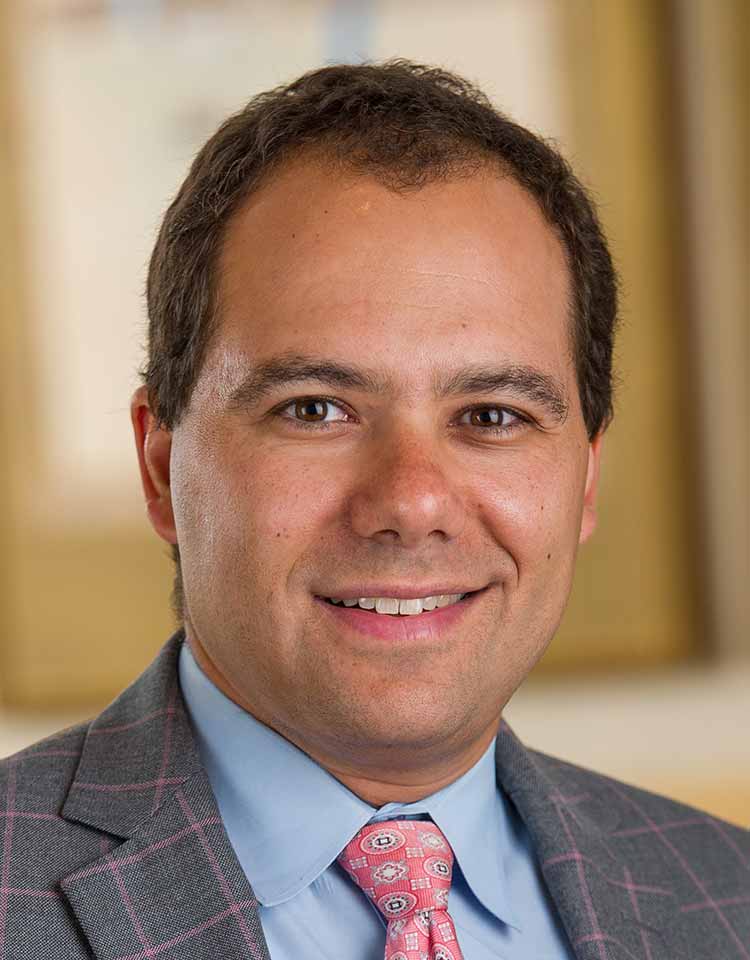
Hans von Spakovsky, Manager of the Election Law Reform Initiative and a Senior Legal Fellow in the Edwin Meese III Center for Legal and Judicial Studies at The Heritage Foundation, discusses the Trump administration’s ongoing legal battles with members of the federal judiciary, how Congress should deal with the problem of overreaching courts, what should be done about judges who break federal laws, and recent court rulings related to executive orders.
02 May 2025
Ilya Shapiro, Senior Fellow and Director of Constitutional Studies at the Manhattan Institute, discusses his book, “Lawless: The Miseducation of America’s Elite,” Harvard University’s battle with the Trump administration, and some of the remaining cases before the U.S. Supreme Court.
25 April 2025
Timothy Lee, CFIF’s Senior Vice President of Legal and Public Affairs, discusses CFIF’s recently released legal primer that explores the constitutionality of License Plate Recognition (LPR) technology, and how the technology is used to fight crime.
11 April 2025
Virginia Allen, Senior News Producer and Podcast Host at the Daily Signal, discusses immigration policy in President Trump’s second term, why the administration is “all in” on border security, and more.
04 April 2025
Sally Pipes, President and CEO of Pacific Research Institute, discusses her recently released book, “The World’s Medicine Chest: How America Achieved Pharmaceutical Supremacy and How to Keep It,” the horrible impacts of price controls, how single-payer healthcare systems fail children and cancer patients, and more.
26 March 2025
Brian Rankin, Adjunct Fellow at the Competitive Enterprise Institute, discusses federal funding for public broadcasting, how the money has been used by NPR, PBS and local affiliates, and why it’s time to cut the funding cord.
21 March 2025
Jaimie Cavanaugh, Legal Policy Counsel at the Pacific Legal Foundation, discusses what states can do to create more competition and drive down the rising cost of healthcare, how Certificate of Need (CON) laws impede access to care and block competition while limiting consumer choice and stifling innovation, and what state legislators can and should do to reform and repeal these antiquated laws.
14 March 2025
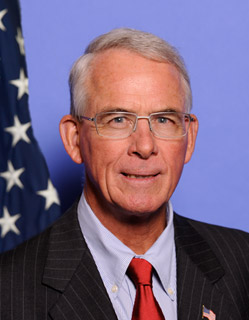
Ambassador Francis Rooney, former U.S. Congressman and former U.S. Ambassador to the Holy See, discusses foreign policy in President Trump’s second term, U.S. relations with China, Russia, Ukraine, Mexico, Canada and Greenland, and what a policy of America First might mean for diplomatic relations.
07 March 2025
William J. Conti, an Attorney from Washington, DC, discusses the winners and losers following President Trump’s address to Congress, the enhanced transparency of the Trump administration, and why the first six weeks of President Trump’s second term look so different from those of his first term.
21 February 2025
Pete Sepp, President of the National Taxpayers Union, discusses why IRS enforcement funding should be reallocated to agency modernization, why Congress should keep the corporate tax rate stable, and other areas of concern relating to taxes and the economy, including Medicare, Medicaid and tariffs.
14 February 2025
Tiger Joyce, President of the American Tort Reform Association, discusses the latest Judicial Hellholes report, the economic impact of lawsuit abuse, the ramifications of third-party litigation funding, and the looming legal battle over plastics.
07 February 2025
Timothy Lee, CFIF’s Senior Vice President of Legal and Public Affairs, discusses the 5th Circuit Court of Appeals recent decision regarding handgun sales, what it means for outstanding challenges to the Second Amendment right to keep and bear arms, and advancements that may be made with the new administration on other issues of importance, including telecommunications and intellectual property protections.
30 January 2025
Phil Kerpen, Founder and President of American Commitment, discusses top of the agenda items for the new Trump Administration, how deregulation can drastically improve the lives of Americans and promote economic growth, and why the federal government should be firing and not hiring.
24 January 2025
Quin Hillyer, Newspaper Columnist, Writer and Editor, discusses the rationale behind President Trump’s efforts to “purchase” Greenland from Denmark, the strategic importance of the island, whether Trump’s success sends a message to Canada and/or the Panama Canal, and how the media and citizenry both are failing civics.
17 January 2025
Karen Kerrigan, President and CEO of the Small Business & Entrepreneurship Council, discusses SBE Council’s 2025 agenda for the new Congress and administration, including a wide range of policy and legislative initiatives that will help entrepreneurs and small businesses better compete for customers and workers and access the capital they need to make investments and grow their businesses.
Scroll to load more
