




|
|
|














Load Newer Podcasts







14 December 2023
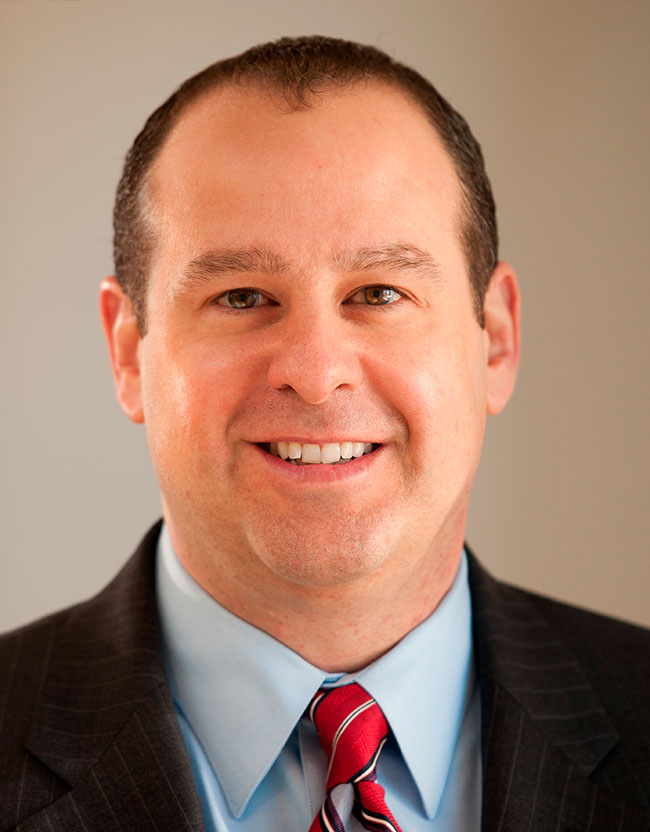
Sally Pipes, President and CEO of Pacific Research Institute, discusses a policy reform agenda for Congress that will make high-quality healthcare more affordable and accessible to all Americans, lessons learned from the Canadian healthcare system on what not to do, and reports from California on Governor Newsom’s track record on healthcare policy.
08 December 2023
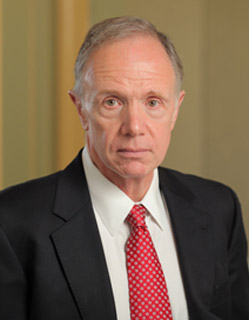
Tom Pyle, President of the Institute for Energy Research and the American Energy Alliance, discusses government regulation of energy markets, why freely functioning energy markets are critical to the well-being of individuals and society, and the important work that is being done by the Save Our Cars Coalition.
01 December 2023
William J. Conti, a Washington, DC, Lawyer and Political Analyst, discusses off-year election results, possible presidential third-party candidates and Democratic challengers to President Biden, the political implications of war in the Middle East, and the Republican primary field.
16 November 2023
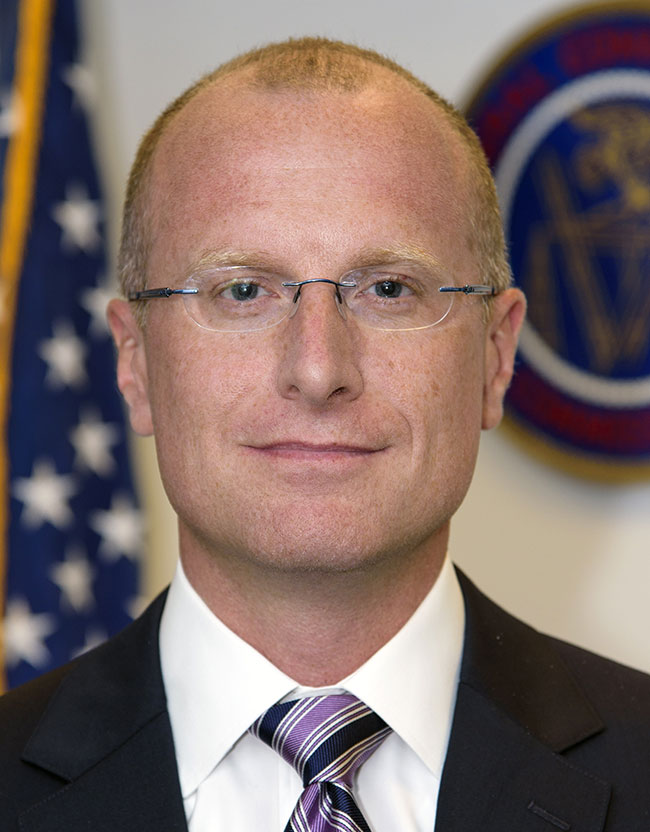
FCC Commissioner Brendan Carr discusses how the Commission's recently adopted rules relating to "digital equity" amount to an overreaching and unlawful power grab that gives the government effective regulatory control over all internet services and infrastructure.
09 November 2023
Dr. Keith Smith, Healthcare Expert and Cofounder and Managing Partner of the Surgery Center of Oklahoma, discusses how Medicare's dual payment scheme jeopardizes patient health, how site-neutral reimbursement provides transparency and allows the free market to step in, and other insights and lessons learned when bureaucratic bloat is taken out of the equation.
02 November 2023
Hans von Spakovsky, Senior Legal Fellow at The Heritage Foundation, discusses how America's top law schools have become socialist training camps, recent events surrounding the Harvard students who spoke out in support of Hamas after its bloody attack on Israel, why U.S. military academies are being sued over race in admissions, and the cases before the U.S. Supreme Court this term relating to government agencies going beyond their administrative powers and what that may mean for the Chevron doctrine.
27 October 2023
Timothy Lee, Senior Vice President of Legal and Public Affairs at the Center for Individual Freedom, discusses the Biden Administration's attempt to resurrect Title II, "Net Neutrality" internet regulation.
20 October 2023
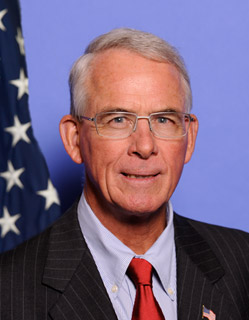
The Honorable Francis Rooney, Former Member of the U.S. House of Representatives (2017-2021) and Former Ambassador to the Holy See (2005-2008), discusses previous efforts to bring peace to the Middle East, including the Abraham Accords Declaration signed in 2020, the statement issued by Pope Francis on the Israel-Hamas War, and the impact of an empty Speaker’s seat in the U.S. House of Representatives.
13 October 2023
Tzvi Kahn, Senior Iran Analyst, Research Fellow and Senior Editor at the Foundation for Defense of Democracies, discusses the history of the conflict between Hamas and Israel, how Iran engineered the attack, how the Biden Administration’s policies emboldened Iran and Hamas, and what steps the U.S. must to take to assist Israel in responding to the attack.
06 October 2023
Sherman "Tiger" Joyce, President of the American Tort Reform Association, discusses the mass increase in third party litigation financing, its ethical implications and adverse consequences, costs to society of "junk science" lawsuits, and ATRA's recently released "Trial Lawyer Playbook Report."
28 September 2023
Karen Kerrigan, President & CEO of the Small Business & Entrepreneurship Council, discusses the results of the latest "Small Business Check Up Survey," the policies and politics that are negatively impacting small businesses and entrepreneurs from inflation to rising gas prices and government over-regulation, and the highlights from SBE Council's recently filed comments to the FTC and DOJ on draft merger guidelines.
21 September 2023
William J. Conti, an Attorney in Washington, D.C., discusses the divide in the House of Representatives over the federal budget, what a government shutdown might mean for Speaker McCarthy, how Hunter Biden has gone on the offensive, and what that might mean for President Biden's reelection efforts.
12 September 2023
Ilya Shapiro, Senior Fellow and Director of Constitutional Studies at the Manhattan Institute, discusses upcoming Supreme Court cases, most notably an administrative law case involving the National Marine Fisheries Service that will examine current law under the Chevron doctrine and how much deference to give to administrative agencies.
08 September 2023
Quin Hillyer, Political Commentator and Deputy Commentary Editor for the Washington Examiner, discusses the latest developments in the Hunter Biden scandal, the steps the Secret Service took to tip off the Biden family in the criminal investigation, the role of the House Oversight and Accountability Committee, and what it all may mean for President Biden’s 2024 reelection prospects.
25 August 2023
Phil Kerpen, Founder and President of American Commitment, discusses public policy's impact on energy costs and accessibility, how the onslaught of regulations and hostility toward fossil fuels mean negative consequences far beyond the gas pump, and why Bidenomics is having a disastrous effect on consumer choice.
Scroll to load more
