




|
|
|
















23 April 2021
William J. Conti, a partner in the Washington, DC, office of Baker & Hostetler, discusses National Collegiate Athletic Association v. Alston, a case before the U.S. Supreme Court to determine whether the NCAA's limits on compensation for student athletes violate the nation's antitrust laws, and why abolishing the Senate filibuster would be shortsighted.
0:00
0:00
Related Podcasts

12 August 2025
Michael O’Neill, Vice President of Legal Affairs at the Landmark Legal Foundation, discusses the precedent and legal authority for President Trump’s initiative to restore safety in our nation’s capital city by temporarily asserting federal control over the Washington, DC police department, and what steps Congress should take next to reverse the slow degradation of the quality of life in DC.

13 September 2024
In an interview with CFIF, William Conti, an attorney in Washington, D.C., discusses the first debate between former President Trump and Vice President Harris, the impact of endorsements, the status of the fight for the Senate in 2024, and the Republican bench looking forward to 2028.
16 November 2023
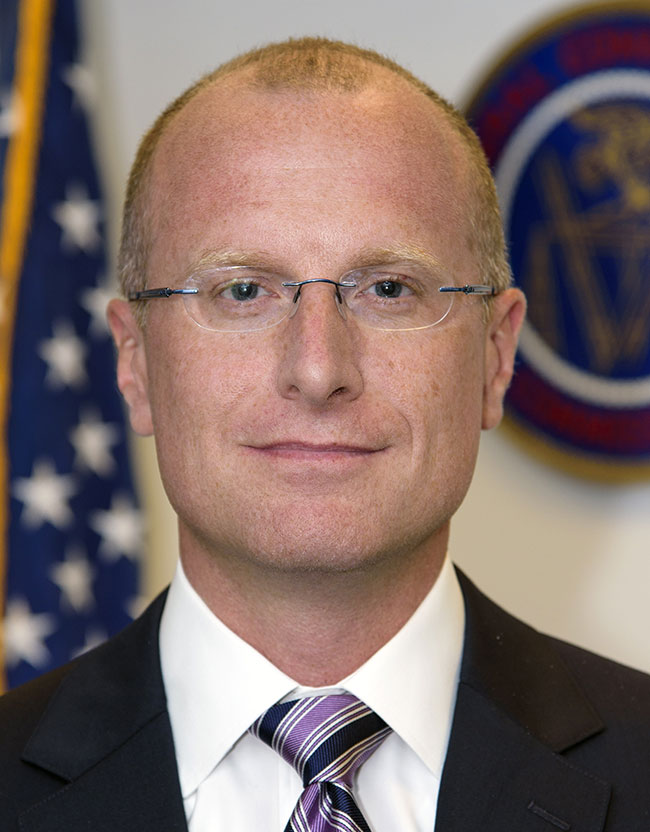
FCC Commissioner Brendan Carr discusses how the Commission's recently adopted rules relating to "digital equity" amount to an overreaching and unlawful power grab that gives the government effective regulatory control over all internet services and infrastructure.
13 August 2021
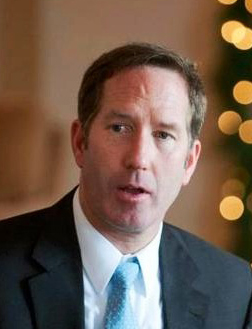
Timothy Lee, Senior Vice President of Legal and Public Affairs, explains the pitfalls of the Joint Employer Rule, how it expands the field of liability and introduces chaos, and why Congress should pass the proposed Save Local Business Act to preserve the existing common-sense labor law and protect employers.

02 April 2020
Mario Loyola, Senior Fellow at the Competitive Enterprise Institute, discusses rapid testing options, "finger-prick" immunoassay tests, "herd immunity," the effectiveness of social-distancing measures, whether the government can require people to undergo a medical test, and privacy implications of test kits linked to smartphone apps.

16 August 2019
Mary Clare Amselem, Policy Analyst in Education Policy at The Heritage Foundation, discusses proposed legislation to expand access to career and technical education and a second proposal requiring colleges to pay 50% of the student loan balance for loans that enter default, giving colleges "skin in the game."
