




|
|
|














11 January 2019
Adam Michel, Policy Analyst with the Roe Institute for Economic Policy at The Heritage Foundation, discusses notable changes in the House Democratic rules package that could mean more spending and higher taxes and how universal savings accounts could help Americans save for their own priorities.
0:00
0:00
Related Podcasts
31 July 2026
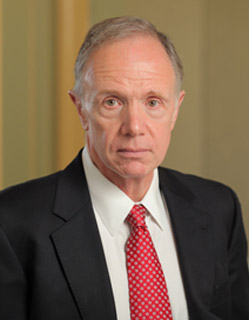
William J. Conti, an attorney from Washington, DC, discusses Dr. Anthony Fauci invoking the Fifth Amendment at a U.S. Senate COVID hearing, the Democratic Socialists of America and its agenda, and the midterm elections.

23 April 2021
William J. Conti, a partner in the Washington, DC, office of Baker & Hostetler, discusses National Collegiate Athletic Association v. Alston, a case before the U.S. Supreme Court to determine whether the NCAA's limits on compensation for student athletes violate the nation's antitrust laws, and why abolishing the Senate filibuster would be shortsighted.

06 March 2020
Sally Pipes, President, CEO, and Thomas W. Smith Fellow in Health Care Policy at the Pacific Research Institute, discusses the Supreme Court's decision to take up the Affordable Care Act case next term, the Democratic presidential candidates' health care positions and proposals, and how the coronavirus could break a "Medicare-for-All" system.

07 June 2019
Phil Kerpen, President of American Commitment, discusses the Consumer Financial Protection Bureau's proposal to relax the Obama-era rules that would severely restrict the availability of small-dollar loans and why Director Kathleen Kraninger should stay the course on reversal.

24 May 2019
Timothy Snowball, Attorney with the Pacific Legal Foundation, discusses what socialism is and is not, how socialism seems to be enjoying a resurgence among many members of the millennial generation, and how socialism and years of economic mismanagement and political instability have destroyed Venezuela.

01 June 2018
Nicholas Eberstadt, the Henry Wendt Chair in Political Economy at the American Enterprise Institute, discusses why the U.S. must have a radically different approach to diplomacy with North Korea, whether denuclearization is even an option with North Korea, and what President Trump can learn from President Reagan.
