




|
|
|















13 June 2014
Timothy Lee, CFIF's Senior Vice President of Legal and Public Affairs, discusses net neutrality and the misguided push to have the federal government regulate broadband Internet under Title II of the Communications Act.
0:00
0:00
Related Podcasts

09 January 2025
Ryan Young, Senior Economist and Trade Policy Expert at the Competitive Enterprise Institute, discusses last year’s regulatory highlights (and low points), the regulatory outlook for 2025, including the potential impact of DOGE on the volume of federal regulations, and President Biden’s baseless decision to block Nippon Steel’s purchase of U.S. Steel.

24 October 2024
Phil Kerpen, President of American Commitment, discusses a recently filed lawsuit seeking emails on why the American Academy of Pediatrics backtracked in 2020 on supporting schools reopening in the fall of 2020, the role of the teachers unions, and the potential political motivation behind the reversal.
18 April 2024
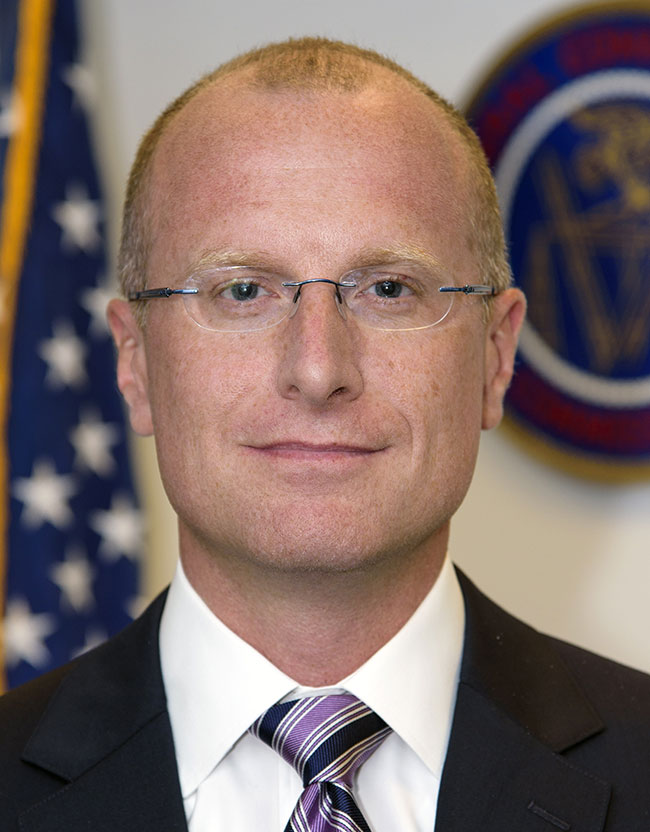
Federal Communications Commission (FCC) Commissioner Brendan Carr discusses the FCC's upcoming vote on a rule that will subject the internet to crippling, utility-style regulatory powers under Title II of the Communications Act of 1934, the myths and facts surrounding "net neutrality," and how this massive expansion of government power over the internet is unnecessary at a time when Americans are experiencing lower prices, faster speeds, increased competition, and accelerated infrastructure build-outs.
16 November 2023
FCC Commissioner Brendan Carr discusses how the Commission's recently adopted rules relating to "digital equity" amount to an overreaching and unlawful power grab that gives the government effective regulatory control over all internet services and infrastructure.

28 July 2017
Roslyn Layton, Visiting Scholar at the American Enterprise Institute, discusses how the application of the Title II regulatory framework to the internet has harmed consumers and innovators, how it creates a system of government-owned broadband networks under FCC control, and how a rollback of Title II will ensure the internet is allowed to evolve through free-market forces.

26 May 2017
Ryan Radia, Research Fellow and Regulatory Counsel at the Competitive Enterprise Institute, discusses why the FCC needs to free the internet from Title II regulatory control and why FCC Chairman Ajit Pai's proposal to reverse Obama’s Title II takeover will be better for pricing and innovation.
