




|
|
|















09 October 2026
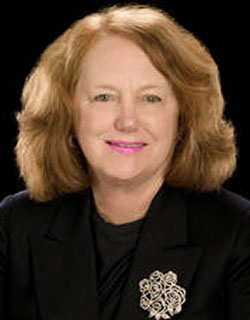
Sally Pipes, President and CEO of the Pacific Research Institute, discusses what the United States can learn from Canada's and the United Kingdom's single-payor systems, and the real costs of “Medicare for All,” including the elimination of private healthcare, physician shortages, hidden taxes, and lack of access.
30 September 2026
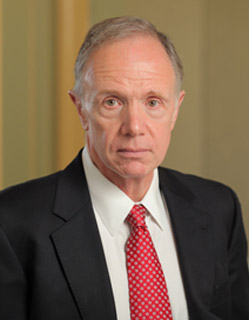
William J. Conti, an attorney from Washington, DC, discusses the Protect College Sports Act, a bill recently passed by the U.S. Senate, its prospect of becoming law, what its passage may mean for college sports, and more.
25 September 2026
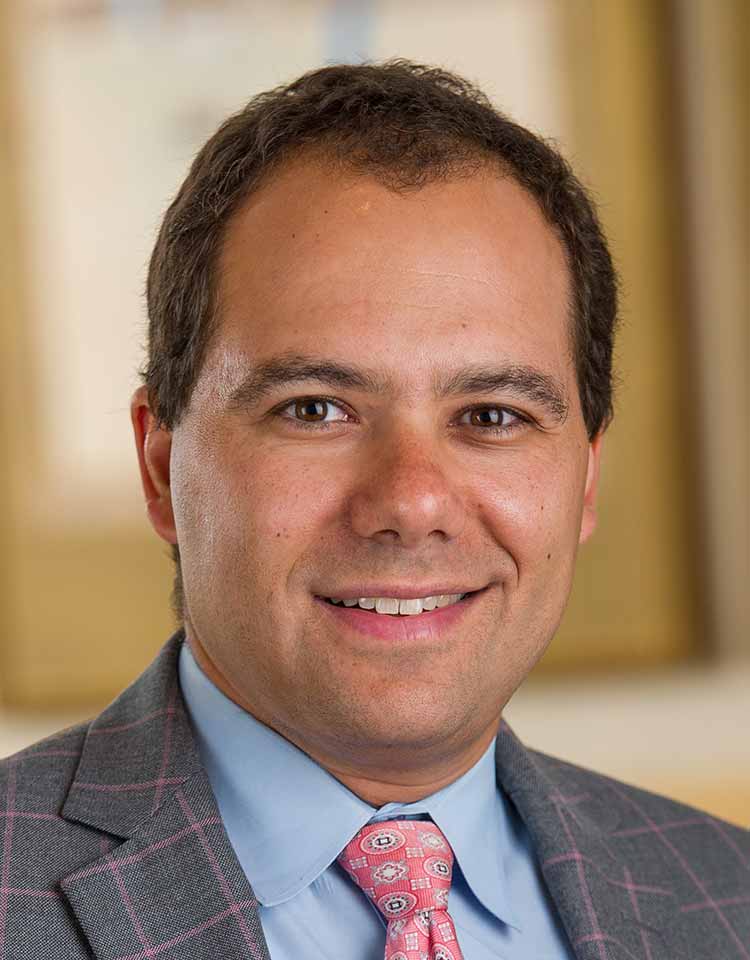
Ilya Shapiro, Senior Fellow and Director of Constitutional Studies at the Manhattan Institute, discusses what’s to come in the Supreme Court’s new term that opens October 5th, the Court’s heavy focus thus far on the docket cases involving administrative powers, and how the Court stacks up in recent polls relating to its job approval.
17 September 2026
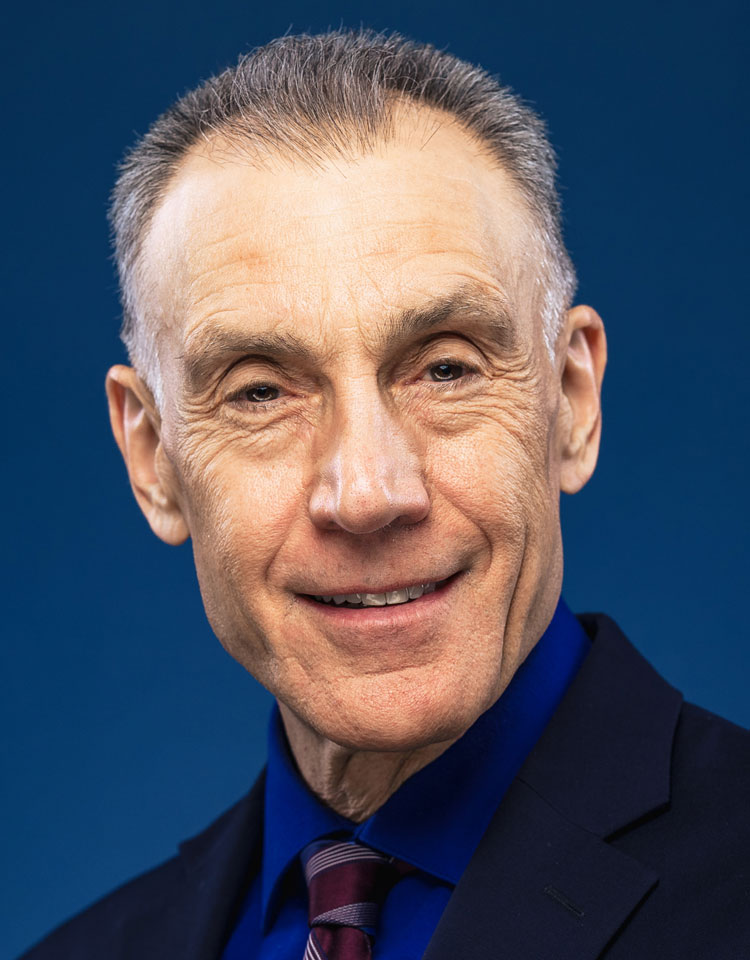
Marlo Lewis, Jr., Senior Fellow at the Competitive Enterprise Institute, discusses how the partial repeal of a Biden-era rule addresses EPA overreach, gets rid of every Biden requirement that would make fossil-generation unfeasible, and helps to address affordability concerns while ensuring America maintains reliable electricity sources.
10 September 2026
Sherman “Tiger” Joyce, President of the American Tort Reform Association, discusses the rise of “regulation by litigation,” how policy should be developed and enacted by elected lawmakers and not through the judicial system where judges are not accountable to the public, and the how profit motive rather than justice is driving lawsuits with big paydays for plaintiffs lawyers.

28 August 2026
Phil Kerpen, Founder and President of American Commitment, discusses the Inflation Reduction Act’s drug price controls, how they hurt access and innovation, and why they must be repealed and replaced with pro-growth policies and strong intellectual property protections to encourage investment in new life-saving medicines.

21 August 2026
Tzvi Kahn, Research Fellow and Senior Editor at the Foundation for Defense of Democracies, discusses President Trump’s “Economic D-Day” threat against Iran, what is needed of U.S. allies for the plan to work, and why it is the Iranian people who must overthrow the regime for there ultimately to be peace.

13 August 2026
Evan Swarztrauber, Senior Fellow at the Digital Progress Institute and Host of "The Center Edge” podcast, discusses how disputes over utility pole attachments are burdening broadband deployment under the Broadband Equity, Access, and Deployment (BEAD) Program, why Congress and the FCC need to take a more active role on issues related to pole attachment cost-sharing and timelines, and what all of it means from a safety standpoint.
06 August 2026
Timothy Lee, CFIF’s Senior Vice President of Legal and Public Affairs, discusses the public policy ramifications of ignoring Dr. Anthony Fauci’s COVID-era diary, whether his diary entries contradict what he told the public, and why he is facing a contempt charge from Congress.
31 July 2026
William J. Conti, an attorney from Washington, DC, discusses Dr. Anthony Fauci invoking the Fifth Amendment at a U.S. Senate COVID hearing, the Democratic Socialists of America and its agenda, and the midterm elections.

16 July 2026
Ben Lieberman, Senior Fellow at the Competitive Enterprise Institute, discusses efforts to undo liberal policy regulations that limit consumer choice when it comes to appliances, home heating units, cars and more.
10 July 2026
President and CEO of the Pacific Research Institute, discusses the real lesson of America’s rising rates of healthcare uninsured, how Medicaid work requirements will save taxpayers money, and how President Trump’s healthcare fraud crackdown is paying off.
25 June 2026
Jeremy Nighohossian, Senior Fellow and Economist at the Competitive Enterprise Institute, discusses how the Great American AI Act will affect the workforce, why we should expect higher productivity, how AI is being used in healthcare, and what Meta’s recent investment in America’s Workforce Academy will mean for labor opportunities.

13 June 2026
Rowena Itchon, Chief Operating Officer at the Pacific Research Institute, discusses a series of short videos released by PRI to bring to life the unsung heroes who have contributed remarkably to American innovation and success over the last 250 years and who embodied the spirit and values that make this country truly exceptional: self-reliance, innovation and civic responsibility.
03 June 2026
Michael O’Neill, Senior Vice President and Assistant General Counsel at Landmark Legal Foundation, discusses three upcoming decisions in some of the biggest cases before the U.S. Supreme Court this term and his predictions on how they may be decided.
Scroll to load more
